2025 has emerged as a pivotal year for Indian real estate, marked by steady demand, improving buyer confidence, and a clear preference for upgrade-led purchases. Growth has been broad-based, spanning residential, commercial, and office segments, particularly in markets where large-scale infrastructure is translating into visible economic activity. Within the NCR, the Noida–Greater Noida–Yamuna Expressway belt is increasingly being viewed as the region’s next structural growth corridor, anchored by the upcoming Noida International Airport at Jewar.
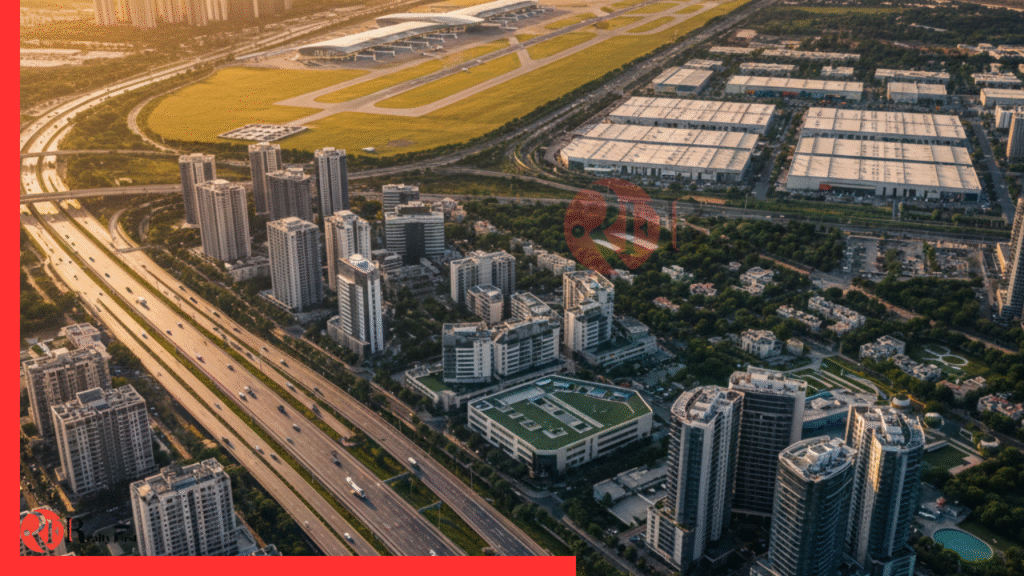
Unlike earlier infrastructure announcements, Jewar represents a long-horizon, city-shaping development. Designed as a comprehensive aviation and logistics ecosystem, the airport is expected to catalyse employment across aviation, cargo, logistics, hospitality, and allied services. This employment engine is already beginning to influence real estate demand patterns across Noida and its southern corridors.
Residential Demand Shifts from Peripheral to Primary
In the residential segment, Jewar’s impact is expected to unfold in phases. Early demand will be driven by professionals associated with airport operations, logistics parks, and industrial clusters, leading to stronger absorption in well-planned, mid-income housing formats. Over time, as social infrastructure, retail, and healthcare ecosystems mature, ownership demand is expected to deepen, particularly among buyers seeking long-term value and improved connectivity.
Reflecting this shift, M3M Noida highlights how infrastructure-led growth is reshaping premium residential demand in the city. “Infrastructure like Jewar doesn’t just expand connectivity; it redefines lifestyle expectations. We are seeing premium buyers increasingly prioritising long-term relevance and access, which is shaping demand for branded, future-ready residential developments in Noida. Responding to this shift, we have launched landmark projects such as Jacob & Co. and Trump Towers in Noida, reflecting the market’s growing appetite for globally benchmarked living,” said, Mr. Yash Garg, Director M3M Noida.
At the same time, demand is clearly moving beyond speculative interest toward genuine end-user ownership. Commenting on this transition, AU Real Estate notes that the corridor is evolving into a primary residential market. “Jewar is changing the perception of southern Noida from a peripheral market to a primary residential choice. What we are seeing is a clear preference for well-connected, efficiently planned homes where infrastructure visibility supports long-term ownership rather than short-term speculation. Responding to this shift, we have strengthened our presence in the region through developments such as Aspire Silicon City and Aspire Leisure Valley in Noida and Greater Noida West, aligned with evolving end-user preferences,” said a Ashish Agarwal, Director, AU Real Estate.
Planned residential supply by authorities such as YEIDA further reinforces confidence in the corridor’s housing potential, aligning public-sector planning with private-sector development.
Commercial and Office Markets Gain Structural Depth
Beyond housing, Jewar is set to play a decisive role in reshaping NCR’s commercial real estate landscape. Improved expressway connectivity and proximity to the airport are encouraging businesses to explore decentralised office locations, particularly for logistics firms, aviation-linked services, global capability centres, and corporate back offices.
Rather than replicating traditional central business districts, the corridor is expected to evolve through integrated, mixed-use commercial clusters that combine offices, retail, and lifestyle amenities. Trehan Iris, which has a strong presence in mixed-use developments, sees this as a natural progression for Noida’s commercial ecosystem.
Abhishek Trehan, Executive Director, Trehan Iris, said, “”The commencement of operations at Jewar Airport marks a transformative moment for NCR’s southern corridor, one that will redefine the region’s economic and urban landscape. The Yamuna Expressway stretch, which has already witnessed a 40-50% appreciation in land values over the past two years, stands at the cusp of accelerated growth. With the first phase of the airport set to handle 12 million passengers annually and its full capacity projected to reach 70 million, the ripple effect on real estate, infrastructure, and employment will be extraordinary. At Trehan Iris, we view this as a catalyst for a new era of connectivity-led urbanization where enhanced accessibility will translate into sustainable growth, modern infrastructure, and vibrant, self-contained ecosystems.”
High-street retail, food and beverage clusters, and convenience-led formats are also likely to see sustained demand, particularly around interchanges and access points where daily footfall is strongest.
Connectivity-Driven Re-Rating of Micro-Markets
One of Jewar’s most significant advantages lies in its expressway-led connectivity. The Yamuna Expressway, Eastern Peripheral Expressway, and upcoming metro links are compressing travel times and reshaping buyer and investor preferences. Increasingly, location value is being assessed through travel reliability and time efficiency rather than distance alone.
Micro-markets with direct access to expressways and feeder roads are expected to re-rate faster, benefiting from stronger leasing potential and better commercial visibility. Over time, these areas are likely to transition into self-sustaining urban zones with residential, commercial, and social infrastructure developing in tandem.
Strengthening the Long-Term Investment Thesis
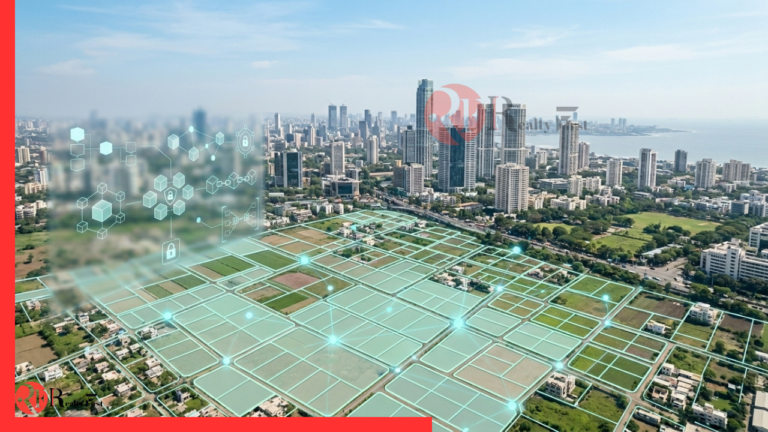
Investor confidence in the Jewar corridor continues to strengthen as infrastructure execution becomes more visible. Land values have already seen meaningful appreciation over the past few years, supported by expressway connectivity, industrial activity, and the airport’s phased development roadmap. Importantly, the investment case is now being reinforced by on-ground progress rather than future intent.
As the market matures, capital is gravitating toward organised developers with strong delivery track records, transparent governance, and long-term commitment to the region—marking a shift away from fragmented, opportunistic supply.
A New Growth Core for NCR
In conclusion, the Noida International Airport at Jewar will transform NCR’s real estate map by establishing a new growth core along the Noida–Greater Noida–Yamuna Expressway belt. As the airport scales up in phases, it will lead to direct and allied job creation across aviation, logistics, services, and commerce. This, in turn, will support steady residential and commercial absorption. The expressway-led network around Jewar will reduce travel times and enhance regional access, altering how buyers and businesses assess location and convenience. With India’s air passenger volumes continuing to expand, Jewar’s rising footfall will deepen the case for hospitality, retail, offices, and long-horizon housing demand, making the surrounding corridor more functional, better serviced, and increasingly compelling for both end-users and investors.