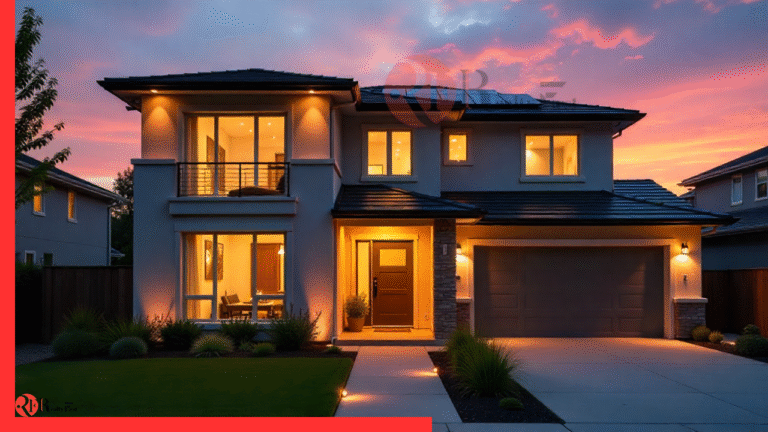

Buying your first home is one of the most exciting yet overwhelming decisions you will ever make in your life. The thrill of finally owning a place to call your own is real, but so is the anxiety that comes with choosing the right locality, the right budget, and the right time to buy. If you have been scrolling through property listings late at night, wondering whether you are making the right call, you are not alone. Millions of first-time buyers go through exactly the same emotional journey every year. The good news is that finding the best localities for first-time buyers does not have to feel like searching for a needle in a haystack. With the right knowledge, a clear strategy, and a bit of patience, you can absolutely find a neighbourhood that fits your lifestyle, your pocket, and your long-term goals.
In this guide, we are going to walk you through everything you need to know about identifying the best areas to buy a first home, what factors make a locality truly worth your investment, and which types of neighbourhoods tend to offer the best value for money in 2026. Whether you are looking at urban apartments, suburban family homes, or up-and-coming satellite towns, this article will help you make a confident, well-informed decision. By the time you finish reading, you will have a clear picture of what to look for, what to avoid, and how to spot a smart property deal before anyone else does.
Why Choosing the Right Locality Is the Most Important Decision for First-Time Buyers
Real estate professionals have a saying that has stood the test of time: location, location, location. And when it comes to first-time home buying, that saying carries even more weight. Your choice of locality will influence everything from your daily commute to your children’s school quality, from your property’s resale value to your overall quality of life. Many first-time buyers make the mistake of focusing too heavily on the size or appearance of the house itself, only to realize later that the neighbourhood around it does not match their expectations. A beautifully renovated flat in a poorly connected area, for instance, can quickly become a source of frustration. On the other hand, a modest home in a well-connected, growing locality can turn out to be one of the best investments you ever made.
The locality you choose also has a direct impact on your mortgage affordability and future refinancing options. Lenders tend to look at property values in a given area, and homes in consistently appreciating localities tend to attract better loan terms. Beyond the financial side, your neighbourhood shapes your social life, your sense of safety, and even your mental health. Families with young children tend to prioritize localities with good schools, parks, and community centres. Working professionals often lean towards areas with excellent public transport links, co-working spaces, and vibrant food and retail scenes. Retired buyers, on the other hand, look for peaceful, well-maintained localities with medical facilities nearby. Understanding what type of buyer you are is the first step to finding your ideal locality.
Also Read: Casagrand Launches Premium Gated Community Project in Tiruppur
Top Factors That Define the Best Localities for First-Time Buyers
Before we dive into specific area recommendations, it is important to understand the framework used to evaluate whether a locality is truly buyer-friendly. Not every affordable neighbourhood is a smart buy, and not every premium area is worth the premium price. Here are the core factors that define the best localities for first-time home buyers in 2026.
Infrastructure and Connectivity
One of the most reliable indicators of a locality’s long-term value is the quality of its infrastructure and connectivity. Areas that are well-served by metro lines, highways, bus routes, and expressways consistently attract more buyers and see stronger price appreciation over time. When evaluating a neighbourhood, ask yourself how long it takes to reach the nearest commercial hub, hospital, and railway station. First-time buyers often underestimate the value of a short commute, but research consistently shows that properties within easy reach of employment centres command a significant price premium and hold their value better during market downturns. As remote and hybrid work models continue to evolve in 2026, good internet infrastructure has also become just as important as good road infrastructure.
Social and Civic Amenities
The presence of quality schools, hospitals, supermarkets, parks, and entertainment options within reasonable distance is another hallmark of a buyer-friendly locality. For young families, school proximity is often a non-negotiable. In many cities, property prices within catchment areas of highly rated schools are noticeably higher, and for good reason. Parents are willing to pay a premium to ensure their children have access to quality education without a long daily commute. Similarly, localities with dedicated green spaces, sports facilities, and community centres tend to attract long-term residents who take pride in their neighbourhood, which in turn maintains property values and community spirit over the years.
Safety and Crime Rates
Safety is a factor that no first-time buyer should overlook, yet it is one that is sometimes glossed over in the excitement of finding an affordable home. Before committing to any locality, take the time to research local crime statistics, speak to existing residents, and visit the area at different times of the day, including evenings and weekends. A neighbourhood that looks perfectly fine on a sunny Tuesday morning might feel very different on a Friday night. Most city police departments and municipal corporations now publish crime data online, and several independent platforms aggregate neighbourhood safety scores that you can use as a starting point. Remember, your sense of security at home is priceless, and choosing a safe locality is one of the most important gifts you can give yourself and your family.
Affordability and Price Trends
For first-time buyers, budget is almost always the defining constraint. The smartest approach is to look for localities where current prices are still within your reach, but where consistent appreciation trends suggest strong future value. These are typically areas on the outskirts of established residential zones, or localities that have recently seen significant infrastructure investment such as a new metro corridor, an expressway, or a major commercial development nearby. Checking historical price data for a locality over five to ten years can reveal a lot about how the market behaves in that area. Some localities are steady and slow, some are volatile, and some show consistent, reliable growth. As a first-time buyer, you generally want consistent reliability over speculative volatility.
Types of Localities Best Suited for First-Time Home Buyers
Different buyers have different needs, and the best localities for first-time buyers are not one-size-fits-all. Understanding the broad categories of residential localities can help you narrow down your search significantly and focus your energy where it matters most.
Emerging Suburbs and Satellite Towns
Emerging suburbs and satellite towns represent some of the best value-for-money opportunities available to first-time buyers today. These are areas that have only recently begun to see significant residential development, often driven by new infrastructure projects or the expansion of urban boundaries. A classic example is how areas on the outskirts of major cities, once considered too remote or underdeveloped, have transformed into thriving residential zones within just a decade of metro connectivity or highway access. In 2026, several satellite towns across India, the UK, and other housing markets are showing strong early signals of this kind of transformation. Buyers who get in early in these localities often enjoy lower entry prices, newer housing stock, and much higher appreciation potential over the medium to long term.
Established Mid-Range Residential Zones
If you prefer the stability and comfort of an already established neighbourhood without the uncertainty of a developing area, mid-range residential zones in secondary cities or in the outer rings of metropolitan areas are an excellent choice. These localities typically have fully developed civic infrastructure, a clear community identity, and a proven track record of steady price appreciation. While the entry price is naturally higher than in emerging areas, the risk factor is significantly lower. You know exactly what you are getting, from the school quality to the traffic conditions. Many first-time buyers with families find this category of locality to be the perfect sweet spot between affordability and reliability. The key is to compare price per square foot across multiple sub-areas within this category and look for micro-localities that are slightly undervalued relative to their neighbours.
Up-and-Coming Urban Neighbourhoods
In almost every major city around the world, there is always at least one or two neighbourhoods that are in the early stages of gentrification. These are areas that were once considered too industrial, too old, or too low-income, but are now attracting cafes, co-working spaces, boutique stores, and young professionals looking for character-rich living at reasonable prices. Buying in these localities before the full transformation takes hold can yield spectacular returns, both in terms of capital appreciation and rental income potential. However, first-time buyers should approach these areas with some caution. Gentrification is not always a guaranteed process, and some neighbourhoods can stall mid-transformation for years. Doing your homework on planned development projects, local government investment, and demographic shift trends is essential before making a commitment in these localities.
Red Flags to Watch Out for When Evaluating a Locality
Just as important as knowing what to look for is knowing what to avoid. Many first-time buyers, in their eagerness to close a deal, overlook warning signs that can turn their dream home into a financial nightmare. One of the most common red flags is a locality with a high number of unsold inventory. When a large percentage of properties in an area remain unsold for extended periods, it usually signals either overpricing, poor demand, or structural issues with the area’s development. Similarly, localities that have seen multiple project delays or builder defaults are best approached with extreme caution, no matter how attractive the asking price may seem.
Another red flag is poor water supply and drainage infrastructure. This is a particularly important consideration in many Indian cities, where water scarcity and flooding during monsoon season can make certain localities genuinely unliveable for months at a time. Always visit a locality both in dry season and during or after rains to get a realistic picture of its infrastructure resilience. Industrial pollution is another factor that is easy to ignore during a property visit but can have serious long-term health implications. If a locality is adjacent to a manufacturing zone or has poor air quality data, factor that into your decision carefully, especially if you have children or elderly family members.
Practical Tips for Evaluating Localities as a First-Time Buyer
Research is your best friend when it comes to evaluating localities for your first home purchase. Start by spending a few weekends actually living in the area as if you already owned a home there. Take the morning commute at rush hour, visit the local market on a Sunday, have a coffee at the nearest cafe, and chat with people who already live there. No property listing or online review can substitute for first-hand experience. Residents will tell you things that no broker ever will, from the quality of the local municipal council to which streets get waterlogged in the rains.
Use government urban planning portals and RERA (Real Estate Regulatory Authority) platforms to check the legal status of any project you are considering. In India, RERA registration is now mandatory for most residential projects, and checking a developer’s track record on this platform can save you from enormous future headaches. Also take the time to understand the Master Plan or Development Plan for the city, which will show you how the locality is zoned, what future developments are planned, and whether there are any restrictions on the type of construction allowed. Future commercial or industrial development near a residential locality can significantly impact your quality of life.
Finally, consult a certified financial planner or home loan advisor before you finalize your locality choice. Your budget is not just about the property price. It includes stamp duty, registration charges, society maintenance fees, property tax, and the often-overlooked costs of furnishing and setting up a new home. A good advisor will help you see the full picture and ensure that your first home purchase is a source of joy and financial strength rather than stress and debt.
Best Localities for First-Time Buyers in 2026: What to Look For Right Now
The residential real estate market in 2026 presents a fascinating landscape for first-time buyers. After a period of sharp price appreciation post-pandemic, many markets have started to find a more sustainable equilibrium, creating genuine windows of opportunity for buyers who were previously priced out. Interest rates, while still elevated compared to pre-2020 lows, have begun to stabilise in several economies, giving buyers greater confidence in their EMI calculations. In this environment, the best localities for first-time buyers are those that combine reasonable entry-level pricing with strong fundamentals in terms of infrastructure, employment proximity, and social amenities.
In major Indian cities, for instance, localities along newly completed or upcoming metro corridors continue to rank among the smartest buys for first-time purchasers. Areas like Hinjewadi Phase 3 on the outskirts of Pune, Sarjapur Road in Bengaluru, Dwarka Expressway corridor in Gurugram, and New Town in Kolkata have all shown strong first-time buyer activity in recent years, driven by a combination of competitive pricing, improving infrastructure, and proximity to IT and commercial hubs. In tier-2 cities like Coimbatore, Nagpur, Indore, and Kochi, entire new residential micro-markets have emerged that offer excellent livability at a fraction of the cost of the major metros, making them increasingly attractive to first-time buyers who can work remotely or are looking to relocate for a better quality of life.
The key principle to remember across all of these markets is this: the best locality for you personally is the one that aligns with your life stage, your budget reality, your career trajectory, and your lifestyle preferences. There is no universal answer, and any guide that tells you there is a single best area for all first-time buyers is oversimplifying a deeply personal decision. What matters is that you use a structured, informed approach to evaluate your options and make a decision that you can feel genuinely confident about.
How to Negotiate the Best Deal in Your Chosen Locality
Once you have identified the locality that ticks all your boxes, the next challenge is negotiating the best possible price for your chosen property. First-time buyers often feel at a disadvantage in price negotiations because they lack experience, but the truth is that knowledge and preparation can level the playing field very effectively. Start by gathering data on recent transaction prices in the locality. In India, you can access this information through the state registration authority’s website or through property research platforms that track indexed rates. Knowing what similar properties have actually sold for in the past three to six months gives you a realistic benchmark and prevents you from overpaying.
Do not be afraid to negotiate, even with reputable builders. Especially in localities with higher inventory levels, developers are often more flexible on price, payment terms, and add-ons like parking, modular kitchen fittings, or club membership than they let on in their marketing materials. Always get every negotiated point in writing before you make any payment, and ensure your sale agreement is reviewed by an independent property lawyer before signing. The few thousand rupees you spend on legal due diligence at this stage can save you from disputes worth lakhs in the future.
Also Read: Property Registration Rules Simplified: A Clear Guide for Homebuyers in India
Conclusion: Your First Home is More Than a Purchase, It Is a Life Decision
Finding the best localities for first-time buyers is ultimately about aligning the external world of real estate with your internal world of aspirations, needs, and realities. The perfect locality is not the most expensive one, nor is it simply the most affordable. It is the one where you can envision yourself building a life, growing your family, advancing your career, and feeling genuinely at home. The journey to finding that locality will require time, research, patience, and a willingness to learn. But the reward, that moment when you unlock the door to a home that is truly yours, in a neighbourhood where you feel you belong, is absolutely worth every bit of effort.
Take the time to visit multiple localities, speak to residents, consult experts, and trust your instincts alongside the data. Real estate is both a science and a human experience, and the best decisions in this space are always informed by both. Whether you are exploring emerging suburbs, established mid-range zones, or up-and-coming urban neighbourhoods, keep your long-term goals front and centre. Your first home is not just an asset. It is the foundation of the life you are choosing to build.
Ready to take the first step? Start by shortlisting three to five localities that match your budget and lifestyle, schedule visits on different days and times, and speak to a certified real estate advisor who knows your target market inside out. Your dream home is closer than you think.