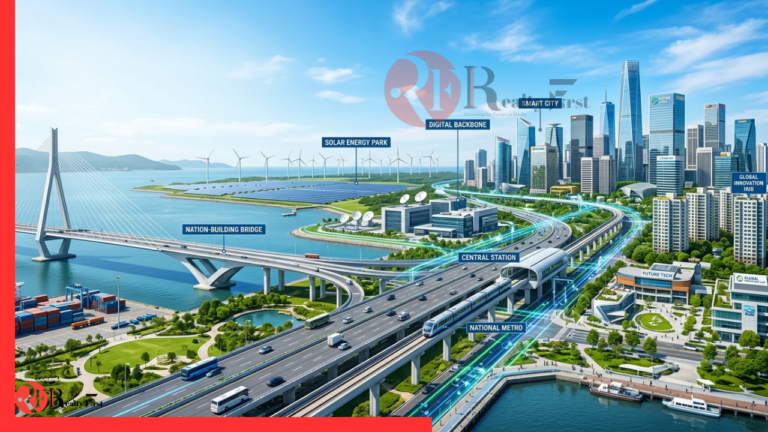
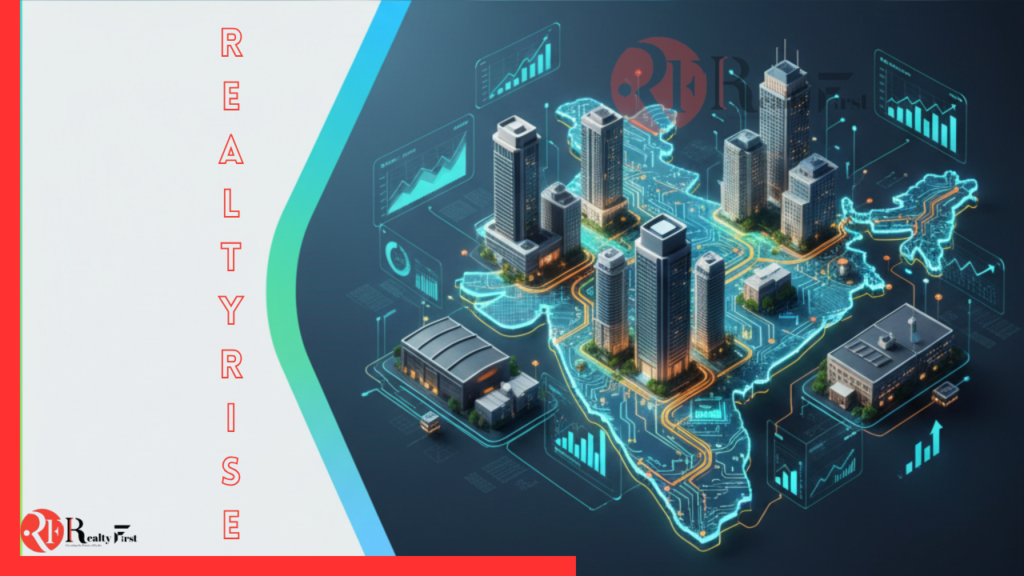
India is building at a scale that few economies have attempted in recent decades. New expressways cut across states, metro corridors stitch together expanding suburbs, and industrial parks rise on the edges of once agrarian towns. This sustained infrastructure push is not merely a story about concrete and steel. It is a story about realty growth, capital flows, urban migration, and the redefinition of where and how Indians choose to live and work.
For investors, developers, and policymakers, the connection between infrastructure push and realty growth is no longer theoretical. It is visible in land prices along new highway corridors, in the surge of residential launches near metro stations, and in the rapid absorption of office space in emerging business districts. Infrastructure is shaping demand patterns, de-risking peripheral markets, and accelerating the formalization of India’s real estate sector.
In this in-depth analysis, we examine how infrastructure investments are driving realty growth across regions, which asset classes are benefiting the most, and what this means for long-term property investment strategies in India.
The Strategic Link Between Infrastructure Push and Realty Growth
At its core, infrastructure reduces friction. It shortens travel time, improves logistics efficiency, enhances connectivity, and creates economic clusters. When governments invest heavily in roads, metro systems, freight corridors, airports, and digital networks, they unlock new geographies for development. This infrastructure push directly translates into realty growth by making previously inaccessible areas viable for residential and commercial expansion.
Consider the impact of new expressways connecting major cities to their peripheral districts. Areas that once required two hours of travel may now be accessible within forty minutes. For working professionals and businesses, this change alters location economics. Developers quickly follow, acquiring land and launching townships, business parks, and mixed use projects. As connectivity improves, buyer confidence increases, and property values begin to appreciate.
In India, this relationship has strengthened over the past decade as large scale infrastructure programs have matured. The result is a structural shift where infrastructure push and realty growth operate in tandem rather than in isolation.
Also Read: Smart Homes: Features Buyers Demand in 2026
Transportation Infrastructure and Urban Property Demand
Metro Corridors and Transit Oriented Development
Metro rail expansion has become one of the most powerful drivers of urban realty growth. Cities such as Delhi NCR, Mumbai, Bengaluru, Hyderabad, and Pune have witnessed a clear pattern. Property prices within walking distance of metro stations often command a premium compared to similar assets farther away.
This premium reflects more than convenience. Reduced commute time translates into better work life balance, lower transportation costs, and improved productivity. For families, it means easier access to schools, hospitals, and commercial centers. For businesses, it means a larger accessible talent pool. Developers respond by creating transit oriented developments that integrate residential towers, retail spaces, and office units around metro nodes.
The infrastructure push in metro rail networks has therefore reshaped micro markets. Suburbs once considered too distant are now viable housing hubs. Over time, this has contributed significantly to sustained realty growth in these corridors.
Expressways and Peripheral Expansion
High speed corridors and ring roads have similarly altered urban expansion patterns. The development of new expressways connecting city centers to satellite towns has triggered a wave of plotted developments, gated communities, and logistics parks.
Take the example of regions around newly operational expressways in North and West India. Within months of completion, land transactions increased sharply. Developers marketed projects emphasizing reduced travel time and seamless connectivity to airports and business districts. As more families relocated for affordability and larger living spaces, realty growth extended beyond traditional city limits.
This shift reflects a broader urban transformation. Infrastructure push allows cities to decongest while maintaining economic integration. Peripheral zones become investment frontiers rather than speculative outposts.
Industrial Corridors and Commercial Realty Growth
While residential markets often capture headlines, commercial realty growth tied to infrastructure push has been equally significant. Industrial corridors and logistics networks have attracted manufacturing, warehousing, and e commerce operations at scale.
The Delhi Mumbai Industrial Corridor, for instance, has catalyzed land development across multiple states. Improved freight connectivity reduces logistics costs, which attracts factories and distribution centers. These facilities generate employment, which in turn drives demand for housing, retail, and social infrastructure in surrounding regions.
Office markets also benefit from this ecosystem effect. As industrial and service sectors expand, companies require administrative and corporate spaces. Grade A office developments emerge in proximity to transport hubs. Over time, such clusters evolve into integrated business districts.
This interplay between infrastructure push and commercial realty growth creates multiplier effects. Employment growth supports housing demand. Housing demand supports retail and hospitality. Together, they strengthen local economies and deepen real estate markets.
Tier 2 Cities and the Democratization of Realty Growth
One of the most profound impacts of India’s infrastructure push is the rise of tier 2 and emerging cities. Historically, real estate investment concentrated in a handful of metro markets. Today, improved airport connectivity, better highways, and digital infrastructure have leveled the playing field.
Cities such as Indore, Jaipur, Coimbatore, Lucknow, and Nagpur are witnessing steady realty growth supported by infrastructure upgrades. Professionals no longer feel compelled to migrate to metros when regional cities offer competitive employment opportunities and improved quality of life.
Developers have taken note. Branded residential projects, organized retail malls, and IT parks are increasingly visible in these cities. Property prices remain relatively affordable compared to metros, offering attractive entry points for investors. As infrastructure push continues, these cities may deliver higher percentage appreciation over the long term.
For policymakers, this trend supports balanced regional development. For investors, it opens new avenues beyond saturated urban cores.
Infrastructure Push and Residential Buyer Psychology
Real estate decisions are deeply emotional, yet they are increasingly data driven. Buyers evaluate not only carpet area and amenities but also connectivity, future infrastructure plans, and civic development.
When a government announces a new metro line or expressway, buyer inquiries often spike in nearby micro markets even before project completion. This anticipatory realty growth reflects confidence in infrastructure delivery. However, informed buyers now scrutinize timelines, funding models, and execution track records before committing capital.
Developers, in turn, align marketing narratives with infrastructure push themes. Brochures highlight proximity to upcoming stations, highways, and business districts. Over time, this alignment between infrastructure planning and real estate branding has become central to project positioning.
Importantly, infrastructure also influences rental demand. Tenants prefer locations with seamless connectivity. As a result, rental yields often strengthen in well connected corridors, improving overall investment viability.
Capital Markets, REITs, and Institutional Interest
Another dimension of infrastructure push and realty growth lies in institutional capital flows. Global investors and domestic funds closely track infrastructure spending as a proxy for economic momentum. Regions with strong connectivity and policy support are perceived as lower risk.
The growth of Real Estate Investment Trusts in India reflects this maturity. Institutional investors prefer stabilized, income generating assets in infrastructure rich zones. Office parks near transit hubs and logistics facilities along freight corridors are particularly attractive.
This influx of institutional capital enhances transparency, governance, and long term planning in the real estate sector. It also signals confidence that infrastructure push will continue to underpin realty growth in the coming decade.
Risks, Execution Challenges, and Sustainable Development
Despite the positive outlook, infrastructure led realty growth is not without risks. Project delays can dampen sentiment. Land acquisition disputes and regulatory hurdles may slow implementation. Over optimism in speculative markets can lead to oversupply if demand does not materialize as projected.
Sustainability is another critical consideration. Rapid construction without environmental safeguards can strain water resources, increase pollution, and exacerbate urban heat effects. The next phase of infrastructure push must therefore integrate green building standards, resilient urban design, and inclusive planning.
Developers who incorporate sustainability and governance best practices are likely to command greater trust from buyers and investors alike. In the long term, responsible development will determine whether realty growth remains durable.
The Road Ahead for Infrastructure Push and Realty Growth
India stands at a pivotal moment. With sustained public capital expenditure on transport, logistics, and urban infrastructure, the foundation for long term realty growth appears strong. As connectivity improves and economic corridors mature, new micro markets will continue to emerge.
For homebuyers, this means greater choice across price points and geographies. For investors, it offers opportunities to identify growth corridors early and participate in value appreciation. For developers, it demands strategic land acquisition and disciplined execution aligned with infrastructure timelines.
Ultimately, infrastructure push and realty growth are interwoven strands of India’s development narrative. When roads connect regions, when metros integrate communities, and when industrial corridors create employment, property markets respond. The challenge and opportunity lie in ensuring that this growth remains inclusive, sustainable, and resilient.
As India builds its next generation of cities, the real estate sector will not simply follow infrastructure. It will help define the contours of urban life itself.
Also Read: Coworking Spaces Growth in Tier-2 Cities: Trends, Opportunities, and Market Insights
Conclusion
Infrastructure push has become the backbone of India’s evolving property market. From metro corridors to industrial hubs, connectivity is redefining value. Realty growth today reflects not only demand for space but confidence in the nation’s development trajectory.
For stakeholders across the spectrum, the message is clear. Where infrastructure leads with vision and discipline, real estate follows with momentum. The future of Indian property will be shaped as much by highways and transit lines as by bricks and mortar.