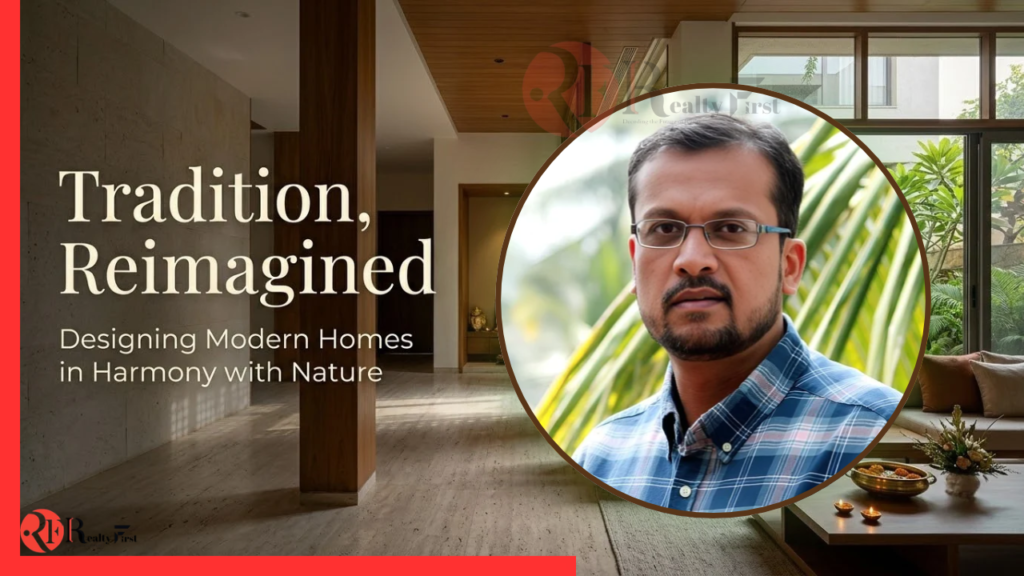
By Architect Narendra Sardeshpande, Founder, NSA Architects
The festive season of Navratri and Diwali brings renewed attention to how homes are designed, experienced and prepared for celebrations. As families welcome guests, decorate their surroundings and make space for shared rituals, the relationship between traditional architectural principles and contemporary residential planning becomes particularly relevant.
Indian homes have long incorporated ideas centred on natural light, ventilation, spatial balance and the connection between the built environment and nature. While these principles are often associated with traditional design philosophies, they remain relevant to modern architecture. Contemporary residential planning increasingly interprets them through practical design choices, prioritising comfort, functionality and well-being rather than rigid adherence to prescribed rules.
Also Read: Worli Closes in on BKC as Mumbai’s Grade A Office Market Shifts Towards New Commercial Hubs
Orientation, Natural Light and Ventilation
The relationship between a home and its natural surroundings remains central to effective architectural planning. Sunlight, wind direction and air circulation influence how comfortable and functional a space feels throughout the day. Modern passive design approaches draw on these fundamentals to reduce dependence on artificial lighting and improve indoor comfort.
Positioning living areas, courtyards and larger glazed openings towards the north or northeast can help introduce softer daylight and morning sunlight while limiting glare. Such planning can make interiors feel brighter and more welcoming, while supporting thermal comfort and reducing the need for artificial illumination during daylight hours.
These considerations become especially meaningful during Diwali, when lighting, openness and hospitality take centre stage. A home designed to make the most of natural light can complement festive illumination without relying entirely on decorative lighting to create ambience.
Integrating Entrances and Prayer Spaces into Contemporary Interiors
The entrance and the pooja space remain important elements of traditional Indian home design, carrying cultural significance as well as a sense of belonging. Incorporating these elements into compact urban residences calls for a balance between functionality, aesthetics and the practical demands of everyday living.
Contemporary interiors can accommodate prayer spaces without necessarily creating enclosed, conventional rooms. Carefully designed wooden partitions, backlit translucent stone and minimalist jaali screens can establish a distinct devotional area while preserving visual continuity with the surrounding living space. Such interventions allow the prayer zone to retain its character without compromising light, openness or the overall design language.
The entrance, meanwhile, plays an important role in shaping the first impression of a home. A thoughtfully planned foyer with concealed storage, indirect lighting and natural wood finishes can create a welcoming transition from the outdoors to the interior. Keeping this area uncluttered is particularly useful during festive gatherings, when visitors arrive frequently and the entrance must remain functional as well as inviting.
Creating Seamless Movement and Visual Continuity
The way people move through a home is as important as how individual spaces look. Clear circulation paths, unobstructed sightlines and a well-organised layout can make interiors feel more spacious, particularly during festive preparations when furniture, decorations and household activities often occupy additional space.
Built-in storage, flush cabinetry and multifunctional furniture help manage everyday belongings without adding visual clutter. By keeping frequently used items organised and reducing unnecessary obstructions, homeowners can preserve the openness of their interiors and improve the usability of shared spaces.
This approach also creates room for festive décor to become part of the design rather than an additional layer competing for attention. Brass urlis, floral arrangements and decorative lighting can serve as focal points against a clean architectural backdrop, allowing each element to contribute to the atmosphere without overwhelming the space.
Natural Materials and Timeless Interior Character
The preference for natural materials in traditional architecture continues to find expression in contemporary residential interiors. Stone, teak wood, terracotta and understated metal details bring texture and warmth, helping create spaces that feel connected to their surroundings.
A palette built around warm grey, off-white, beige and natural wood tones offers a versatile foundation for interior design. These shades can maintain a restrained, timeless character through the year while accommodating seasonal changes in décor.
During festivals, richer textiles, colourful flowers and warm decorative lighting can introduce contrast and vibrancy without requiring significant changes to the underlying interior. The result is a home that can adapt to celebrations while retaining its architectural identity beyond the festive period.
Also Read: Why Elevator Modernisation Is Becoming a Priority for Ageing Residential Buildings
Architecture Rooted in Everyday Living
Residential architecture ultimately derives its value from how well it supports the people who inhabit it. Design principles centred on natural light, ventilation, movement and spatial organisation can help create homes that are comfortable, balanced and responsive to everyday needs.
For contemporary homeowners, incorporating traditional wisdom need not mean following fixed rules or compromising modern aesthetics. A more considered approach to spatial planning can preserve cultural elements while accommodating changing lifestyles, creating homes that remain functional, welcoming and connected to the rhythms of daily life.