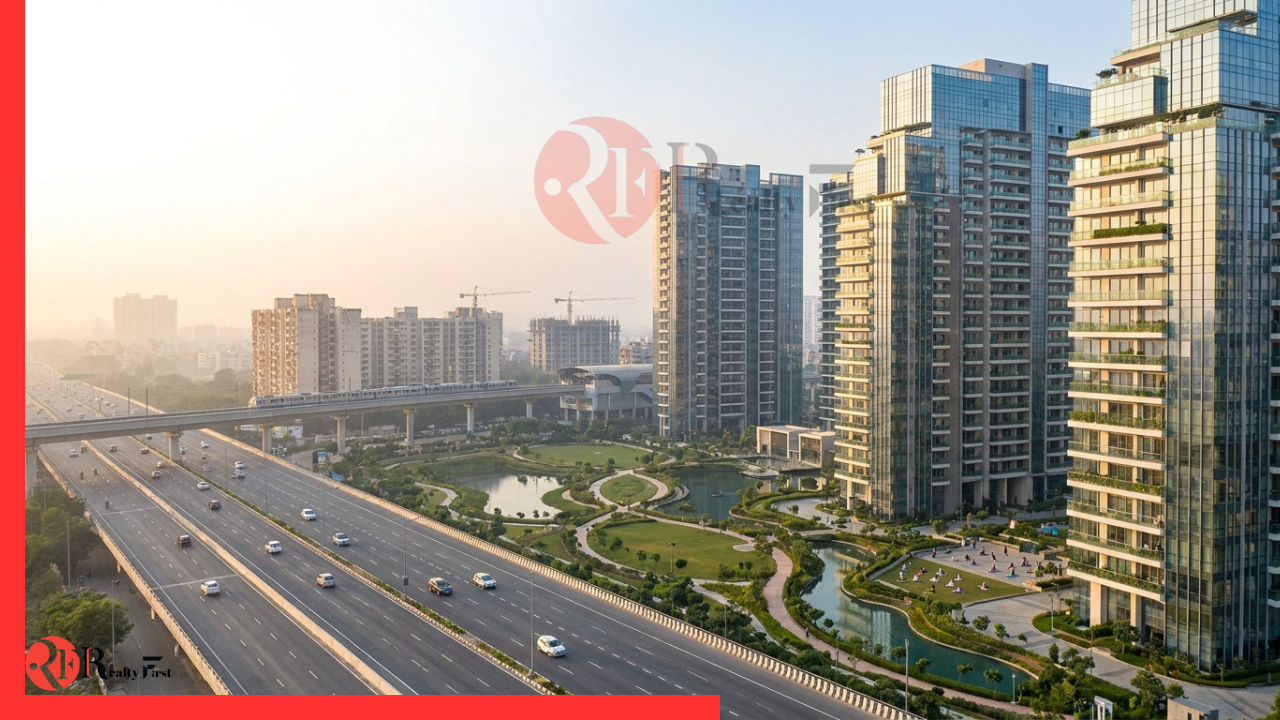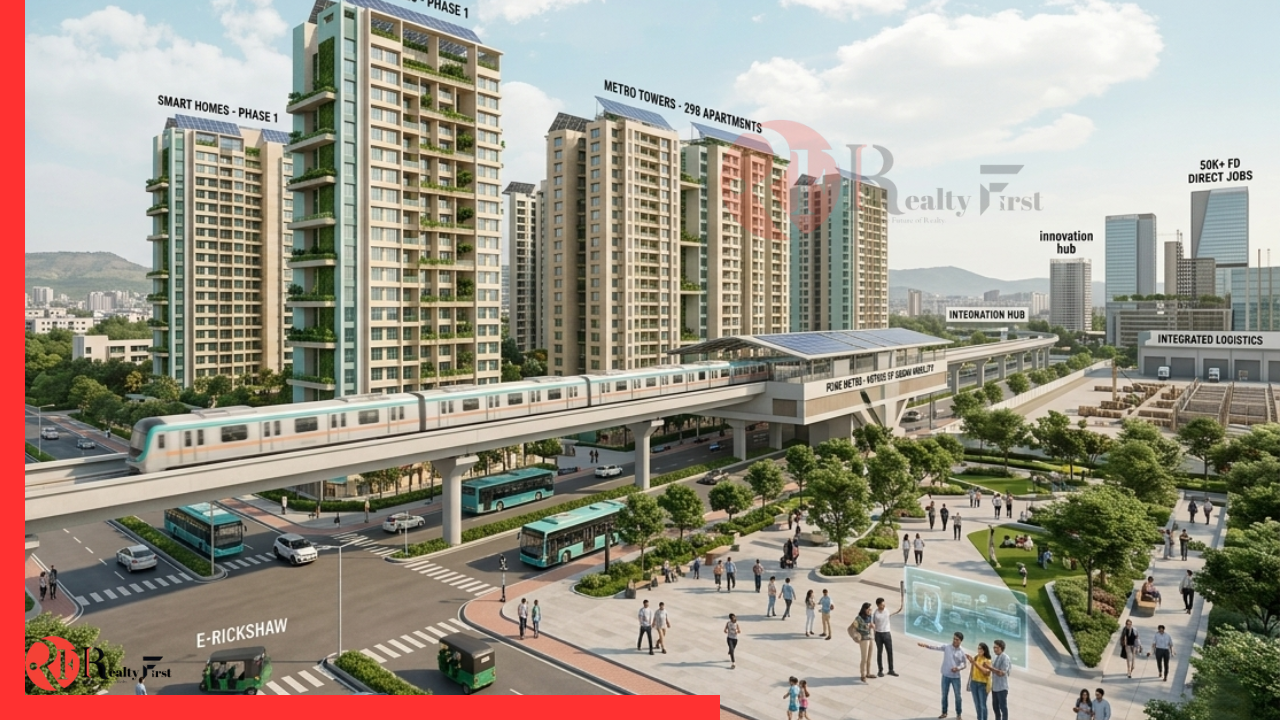
Smart City Projects Driving Housing Growth in Modern Urban India
Smart city infrastructure is transforming housing demand by improving connectivity, sustainability, and urban planning in modern real estate markets.
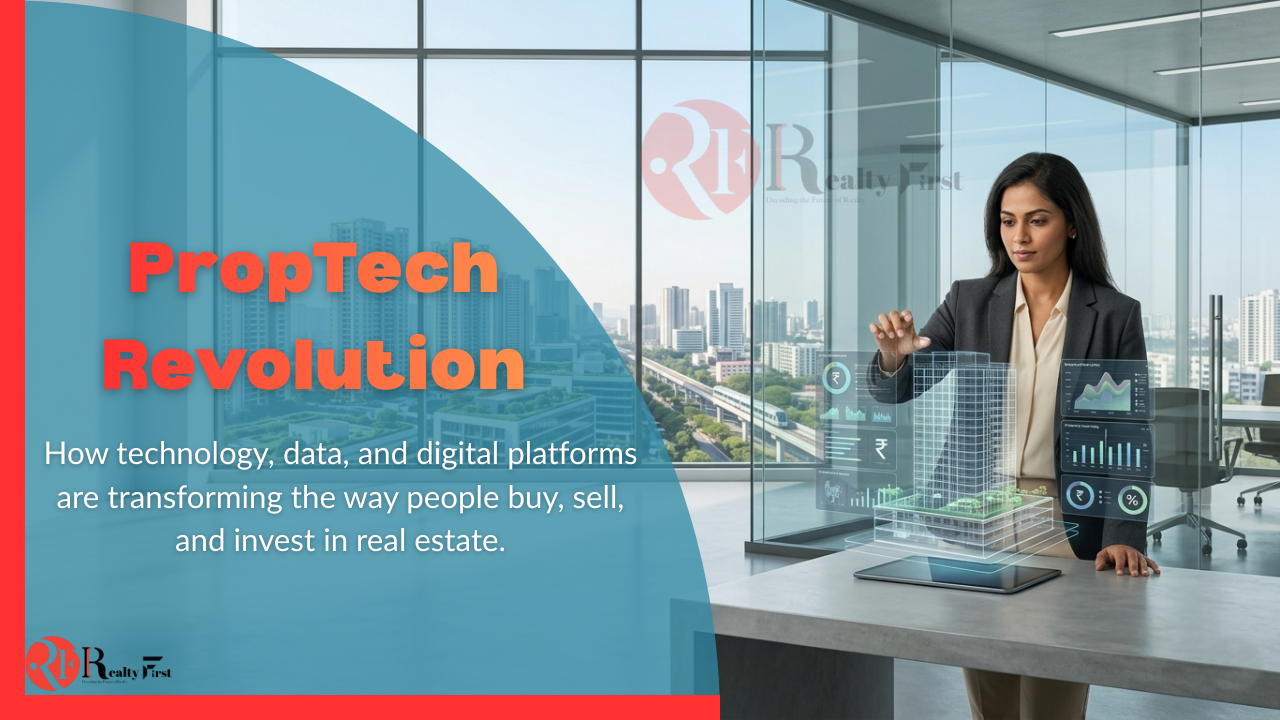
Discover how PropTech startups are transforming the real estate industry with AI, data analytics, virtual tours, and smart property management solutions.
In an exclusive conversation with Realty First, Dr. Vivek Garg, Director of NVT Group, shares insights on the company’s journey, evolving homebuyer preferences, sustainable design, and the future of premium residential development in Bengaluru.
India’s infrastructure push is accelerating realty growth across metro corridors, industrial hubs, and tier 2 cities. Improved connectivity and policy reforms are reshaping property demand and investment trends nationwide.
NKlusive’s CY25 report shows a 23% rise in Kolkata’s premium housing sales, with increased supply and higher absorption levels. South and East Kolkata led market activity, while 3BHK units remained the preferred configuration in the ₹1.9 crore to ₹5 crore segment.
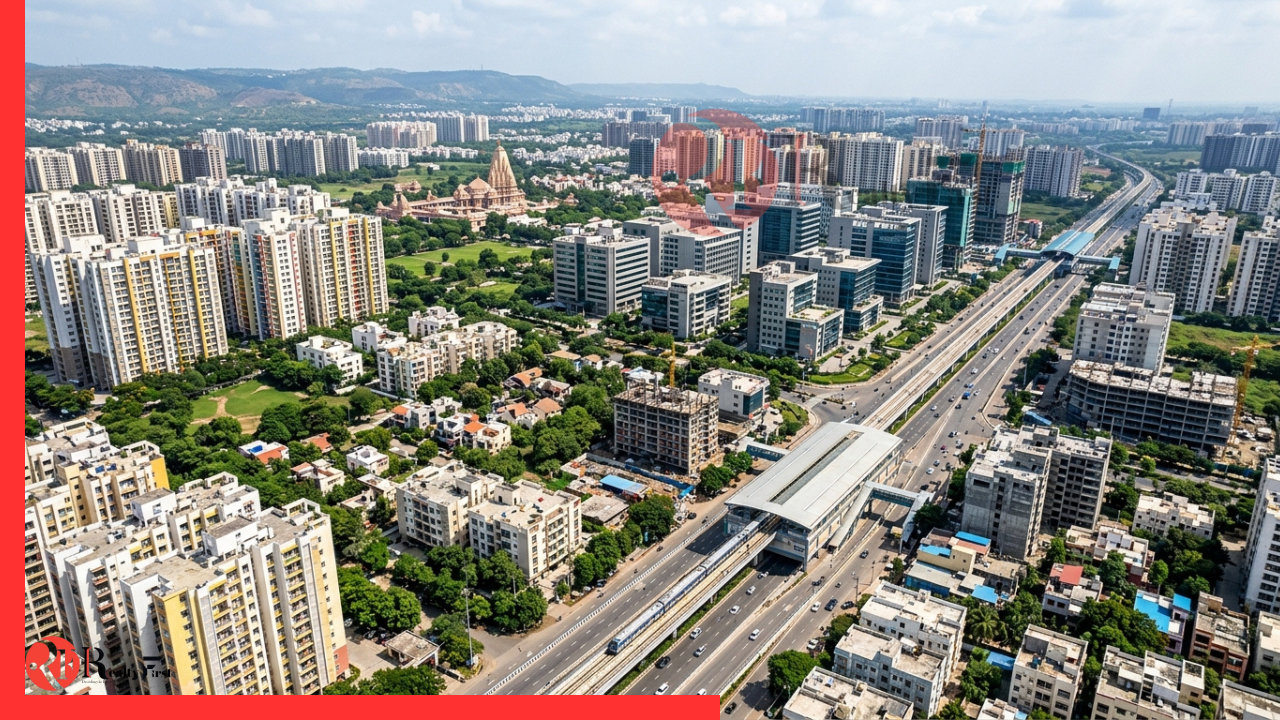
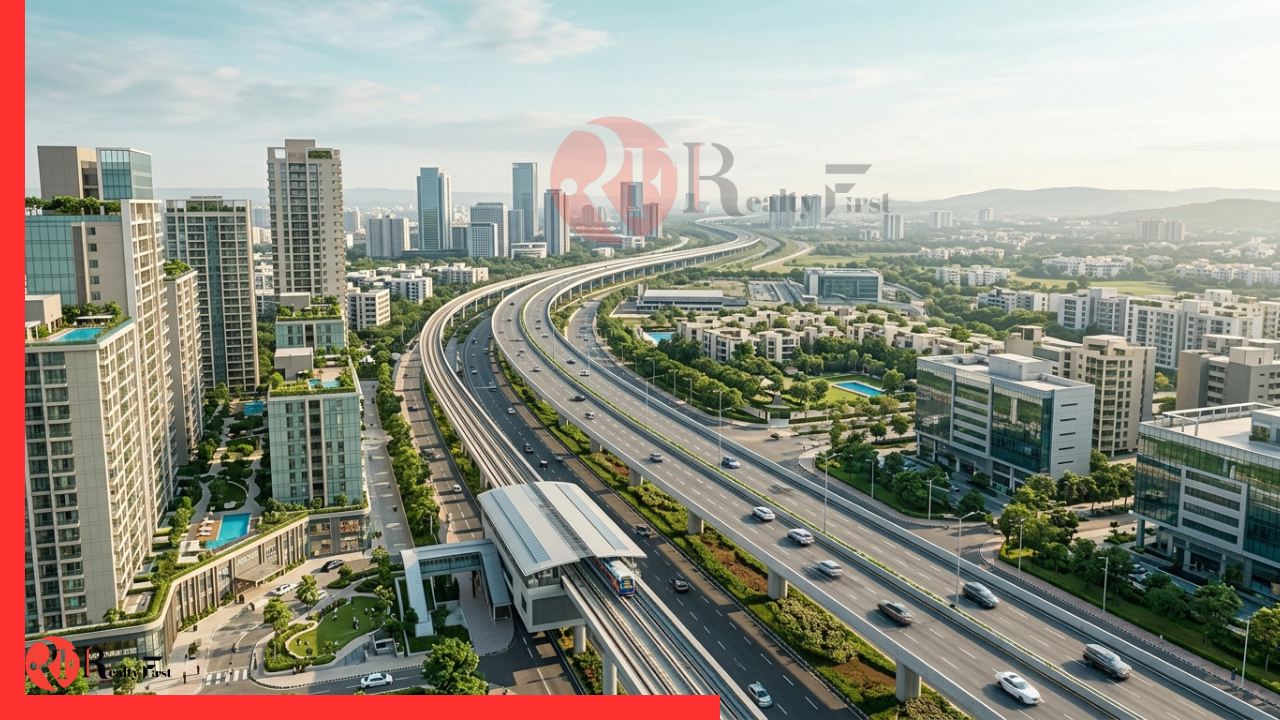
A comprehensive guide explaining how metro and expressway projects influence property prices, rental yields, and long term real estate growth in India.
A detailed 2026 analysis of office space demand trends in India, covering leasing growth, hybrid work impact, GCC expansion, rental trends, and investment outlook.
Housing price growth across India’s top eight cities slowed to 6% in 2025 from 17% in 2024, according to PropTiger. Bengaluru and Hyderabad led gains, while sales and new supply declined, reflecting a stable, supply-calibrated housing market.
India’s housing market entered a phase of normalisation in 2025, with sales and supply moderating but prices remaining firm. PropTiger’s report highlights disciplined supply, resilient demand and city-specific performance driving long-term stability.
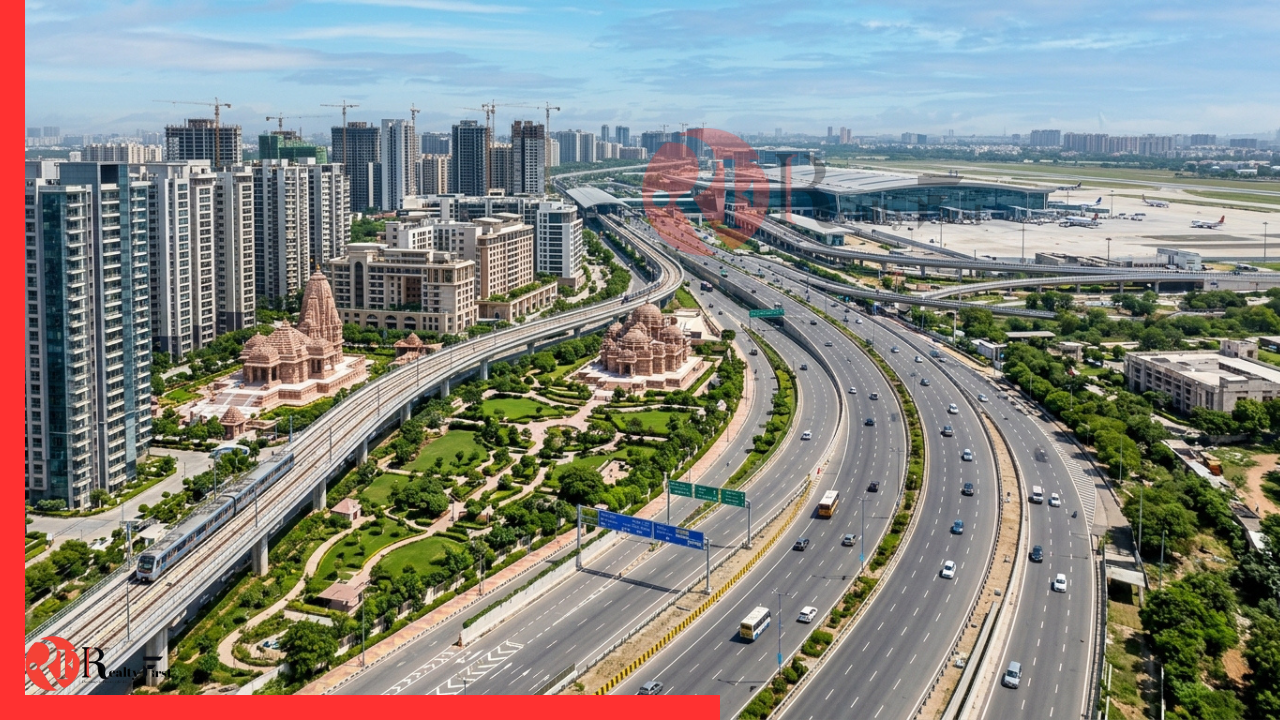
India’s real estate cycle is being reshaped by infrastructure-led growth. Expressways, transit corridors and airports are redefining demand, investment flows and urban expansion, creating new growth corridors beyond traditional city cores across NCR and other major markets.