By Azad Ahmad Lone, President – Business Development & Operations, Biigtech
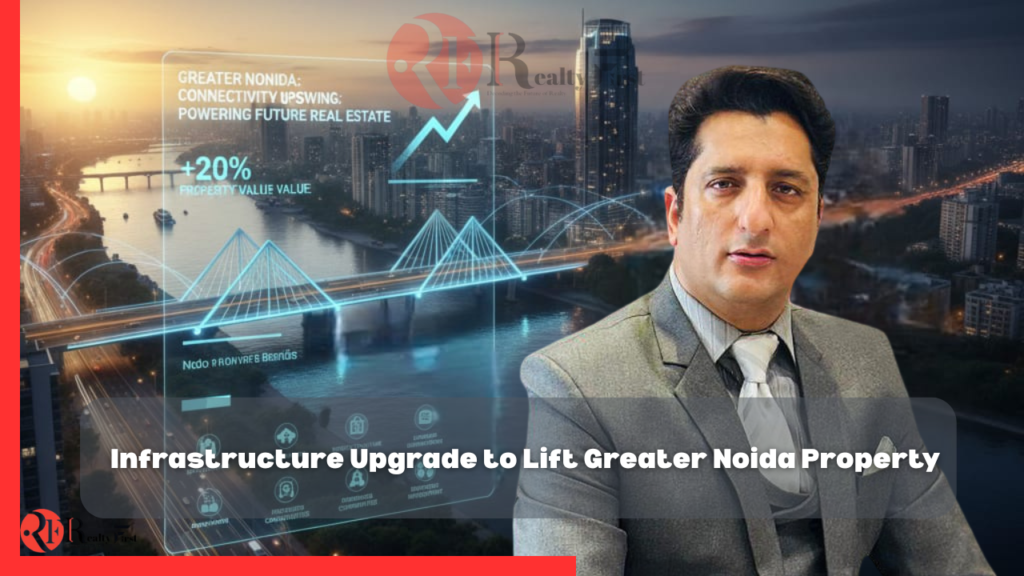
Infrastructure has always been the strongest driver of long-term real estate growth, and Greater Noida is no exception. The proposed Hindon River bridge near Safipur village is a timely infrastructure upgrade that directly addresses one of the region’s most persistent challenges—traffic congestion and inefficient connectivity.
Over the last decade, Greater Noida has emerged as a major residential and commercial hub, supported by planned sectors, competitive pricing, and proximity to Noida and Delhi. However, connectivity constraints along the Noida–Greater Noida Expressway and adjoining service roads have frequently impacted daily commute times and overall buyer sentiment. The upcoming Hindon bridge is expected to ease this pressure by providing an alternate route and improving traffic distribution.
From a real estate standpoint, enhanced connectivity translates into higher livability and stronger market confidence. Modern homebuyers are investing not only in homes, but in commute efficiency, access to employment hubs, and quality of life. Once operational, the bridge is likely to reduce travel time, strengthen last-mile connectivity, and improve the attractiveness of several residential and mixed-use micro-markets in Greater Noida.
Infrastructure upgrades of this scale also influence property value appreciation and absorption rates. Historically, areas benefiting from new bridges, flyovers, and expressway connections have seen steady price growth over time. Improved infrastructure reduces perceived distance, bringing emerging zones closer to commercial centers and positioning Greater Noida more competitively within the NCR real estate market.
For developers, long-term infrastructure planning provides the confidence to deliver future-ready, integrated communities. Strong road and bridge networks allow developers to focus on holistic development—open spaces, retail zones, and social infrastructure—supported by sustainable demand.
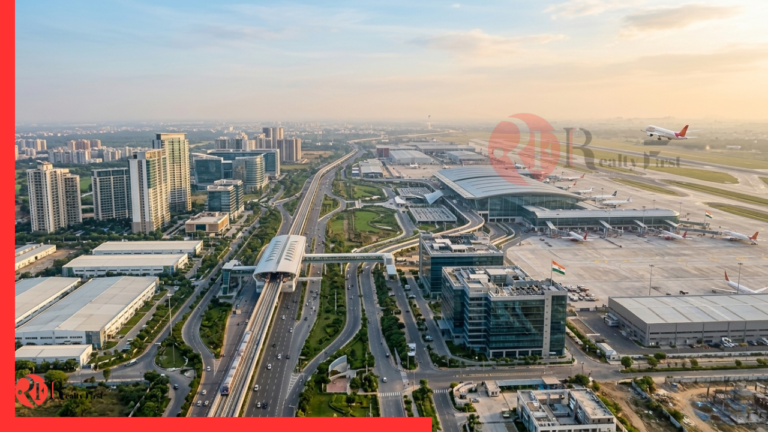
Beyond residential growth, such connectivity projects also stimulate commercial and retail real estate development. Improved traffic flow supports office leasing, warehousing, and high-street retail activity, creating a balanced urban ecosystem where residential and commercial growth reinforce each other.
In essence, the Hindon River bridge is more than a traffic solution. It represents a strategic infrastructure investment that strengthens Greater Noida’s real estate narrative and signals the authorities’ commitment to planned urban development. Over time, this connectivity upgrade is expected to make Greater Noida a more accessible, livable, and investment-worthy destination.