Luxury housing has traditionally been associated with expansive homes, premium finishes, prestigious locations and a sense of exclusivity. While those characteristics continue to define the upper end of the residential market, buyer expectations are steadily evolving. Increasingly, homebuyers are looking beyond visual appeal and asking whether a home is equipped to meet the demands of the future.
This shift is becoming more evident across North India’s premium residential market, where the concept of value is broadening. Spacious residences alone are no longer enough to influence purchasing decisions. Buyers are placing greater emphasis on healthier living environments, energy-efficient homes and developments that respond to the realities of modern urban life. As a result, sustainability has moved beyond being a niche consideration and is emerging as an integral element of luxury living.
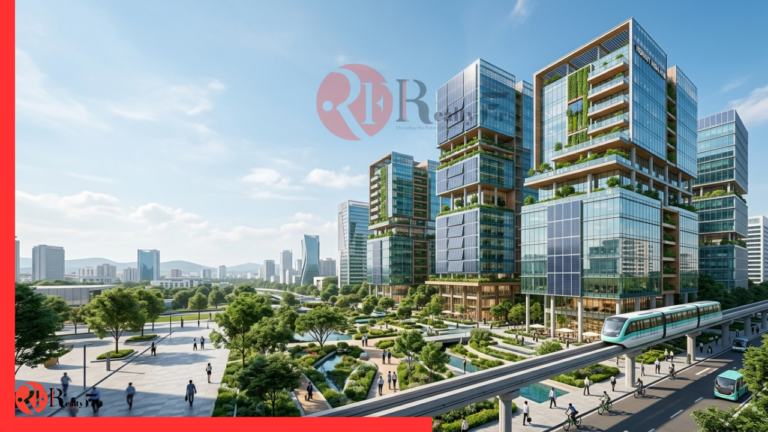
New Chandigarh reflects this transition. The city is gradually establishing itself as a thoughtfully planned urban destination, attracting homebuyers who seek more than a prestigious address. Well-planned infrastructure, cleaner surroundings, generous open spaces and future-oriented residential communities are becoming central to its appeal. Within this context, sustainable premium housing offers not only comfort but also a more balanced and enduring lifestyle.
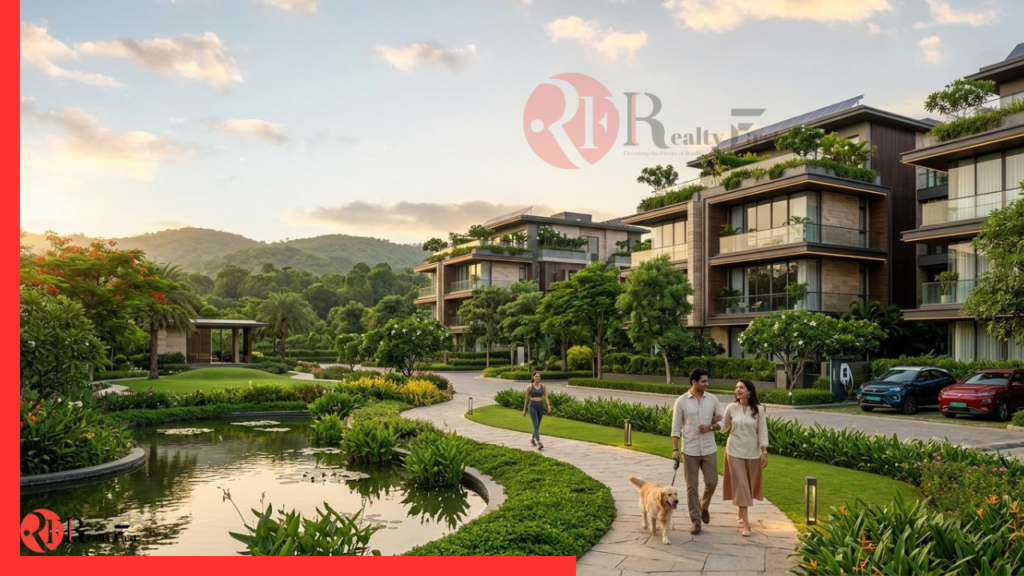
One project that illustrates this evolving approach is Opus One in Eco-City 2, New Chandigarh. Sustainability has been incorporated into the project’s core planning rather than being treated as an additional feature. The development is designed to meet IGBC Platinum green building standards, a certification that represents a commitment to energy efficiency, water conservation, improved indoor environmental quality and responsible construction practices.
The growing relevance of this approach lies in the changing perception of sustainable housing. Rather than being viewed as a compromise, environmentally responsible design is increasingly becoming a defining characteristic of premium residential developments. Homes that optimise resource consumption, encourage healthier indoor environments and reduce long-term operational demands deliver a form of value that extends beyond aesthetics. Such residences are designed to remain functional, resilient and aligned with the direction in which the housing market is evolving.
Design also plays a significant role in reinforcing this philosophy. Spread across approximately 8.75 acres, Opus One features landscaped surroundings and an open site layout that contributes to a greater sense of space. In residential markets where high-density development is often the norm, this approach offers a distinct advantage. Better planning can improve natural light, ventilation and the relationship between built structures and open landscapes, while also supporting broader sustainability objectives.
The residential configurations appear to follow the same design principles. According to project details, the development includes large-format homes, limited residences on each floor and private lift access in select configurations. These features go beyond conventional luxury specifications by enhancing privacy, simplifying movement within the building and creating a more refined everyday living experience. In premium housing, carefully considered design often delivers greater long-term value than excessive embellishment.
Amenities have also evolved to reflect changing homeowner expectations. Buyers today are looking for facilities that contribute meaningfully to their daily lives rather than serving as symbolic additions. Clubhouses, fitness centres, recreational spaces and quieter community areas, when thoughtfully planned, help create a more complete residential environment. In such developments, amenities become an extension of everyday living instead of standalone attractions.
The broader residential market across North India reinforces this trend. Sustainable housing is steadily shifting from an aspirational concept to a practical expectation. Demand is growing for developments that incorporate green building practices, efficient water management, responsible energy use, EV readiness and landscape planning with long-term intent rather than decorative appeal. This evolution suggests that homebuyers are placing increasing importance on durability, efficiency and future value.
Also Read: Rethinking Urban Infrastructure for a Changing Climate
Projects such as Opus One reflect this changing direction within the premium housing segment. They represent an approach where luxury is defined not simply by scale or exclusivity, but by thoughtful planning, environmental responsibility and long-term functionality. As the author concludes, “The future of luxury is not more, just for the sake of it. It’s about making homes that feel sophisticated, work smart and age well.”