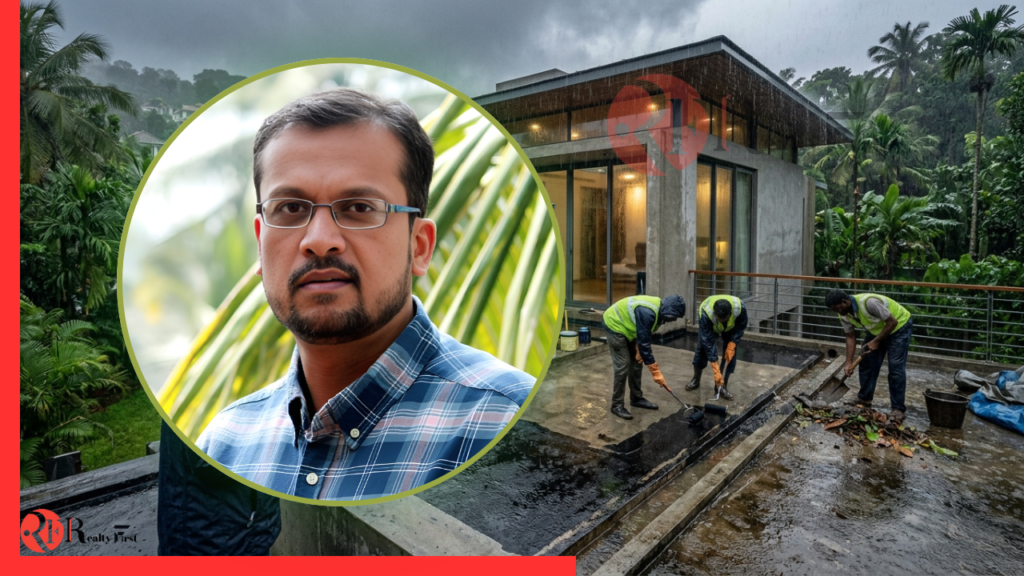
By Architect Narendra Sardeshpande, Founder, NSA Architects
The arrival of the monsoon offers welcome relief from the intense summer heat and transforms the landscape with renewed greenery. At the same time, it presents a range of challenges for residential properties. Water seepage, damp interiors, mould formation, electrical risks and gradual structural deterioration are among the most common issues homeowners encounter during the rainy season.
According to Architect Narendra Sardeshpande, Founder, NSA Architects, preparing a home before the onset of the monsoon is not simply about improving comfort. It is a preventive exercise that helps protect the property, enhances occupant safety and preserves the long-term value of the asset. Timely maintenance, he says, can significantly reduce the likelihood of expensive repairs while ensuring a healthier indoor environment.
Conduct a Comprehensive Structural Inspection
Sardeshpande advises homeowners to begin by evaluating the overall condition of the property. Roofs, terraces, balconies and exterior walls should be examined for cracks, loose tiles, deteriorated plaster or signs of previous water ingress. Even small defects can allow rainwater to penetrate the structure, eventually leading to seepage and long-term damage.
For apartment residents, he recommends checking balcony drainage systems to prevent water accumulation during heavy rainfall. Homeowners living in independent houses should also review the condition of terrace waterproofing, particularly if several years have passed since the last treatment.
Invest in Preventive Waterproofing
Among the most effective pre-monsoon measures is waterproofing, particularly for external walls exposed to driving rain, terraces, parapet walls and wet areas such as bathrooms.
Sardeshpande notes that modern waterproofing systems provide greater durability and improved resistance to moisture penetration. However, he believes waterproofing should be undertaken as part of regular preventive maintenance rather than after leaks become visible, as proactive intervention is generally more cost-effective than corrective repairs.
Maintain Efficient Drainage
Blocked gutters and drainage systems remain one of the leading reasons for water accumulation during the monsoon. Leaves, dust and construction debris often obstruct the flow of rainwater, increasing the risk of overflow and water damage.
To minimise these risks, Sardeshpande recommends cleaning rainwater pipes, terrace outlets and drainage channels before the rainy season begins. He also emphasises the importance of ensuring that external surfaces are properly graded so water flows away from the building instead of collecting around its foundation.
With urban areas witnessing increasingly intense rainfall events, he believes effective drainage planning has become an essential component of residential maintenance.
Protect Indoor Spaces from Moisture
Persistent dampness affects more than the appearance of a home. Excess moisture can encourage the growth of mould and mildew, creating unhealthy indoor conditions and potentially triggering allergies and respiratory concerns.
Homeowners should regularly inspect wardrobes, concealed corners, false ceilings and wall surfaces for early signs of dampness. Sardeshpande also recommends the use of moisture-resistant paints and finishes where appropriate, alongside adequate ventilation to reduce indoor humidity.
He adds that natural cross-ventilation through windows and ventilators remains an effective way to improve indoor comfort during humid weather.
Inspect Windows and Doors
Windows and doors serve as the first line of defence against rainwater. Over time, weather strips and sealants can deteriorate, creating openings that allow water to enter during heavy rain and strong winds.
Sardeshpande advises homeowners to inspect all doors and windows for damaged seals, gaps and alignment issues before the monsoon. Replacing worn-out sealants and ensuring proper frame alignment can help prevent water ingress.
In homes featuring large glass façades, he says special attention should be given to glazing joints and integrated drainage provisions.
Prioritise Electrical Safety
Moisture during the rainy season increases the possibility of electrical faults and short circuits, making preventive inspection especially important.
According to Sardeshpande, electrical panels, wiring, outdoor lighting fixtures and exposed sockets should be examined by qualified professionals before the rains arrive. Outdoor electrical installations should be adequately protected against water exposure, while residual current devices (RCDs) and surge protectors can provide an additional layer of safety during thunderstorms.
He cautions that electrical maintenance should not be delayed, particularly in older buildings where ageing infrastructure may already be under strain.
Preserve Wooden Interiors
Wooden furniture, flooring and doors are especially vulnerable to fluctuations in humidity during the monsoon. Prolonged exposure to moisture can result in swelling, warping and fungal growth.
Sardeshpande recommends applying protective coatings, ensuring proper ventilation and using dehumidifiers wherever necessary. Positioning furniture slightly away from damp walls can also help reduce moisture transfer and extend the lifespan of interior finishes.
Designing Homes for a Changing Climate
Looking beyond seasonal maintenance, Sardeshpande believes climate-responsive architecture will play an increasingly important role as weather patterns become more unpredictable.
He says resilient residential design should incorporate effective water management, durable construction materials, improved ventilation and sustainable building practices. Features such as covered balconies, sloping roofs, rainwater harvesting systems, moisture-resistant materials and strategically positioned openings can improve a home’s performance during the monsoon while contributing to long-term sustainability.
According to him, future-ready homes are not only designed for visual appeal but are also equipped to respond to changing environmental conditions.
Also Read: Trust, Transparency and Sustainability: The Three Pillars Shaping Modern Land Investments
Conclusion
Sardeshpande concludes that the monsoon should be viewed as a season to enjoy rather than endure. By investing in preventive maintenance and timely inspections, homeowners can minimise water damage, improve indoor comfort and protect the wellbeing of their families.
He believes resilient design and proactive upkeep go hand in hand, helping create homes that remain safe, functional and aesthetically appealing throughout the year. With the right preparation, homeowners can approach the rainy season with greater confidence and peace of mind.