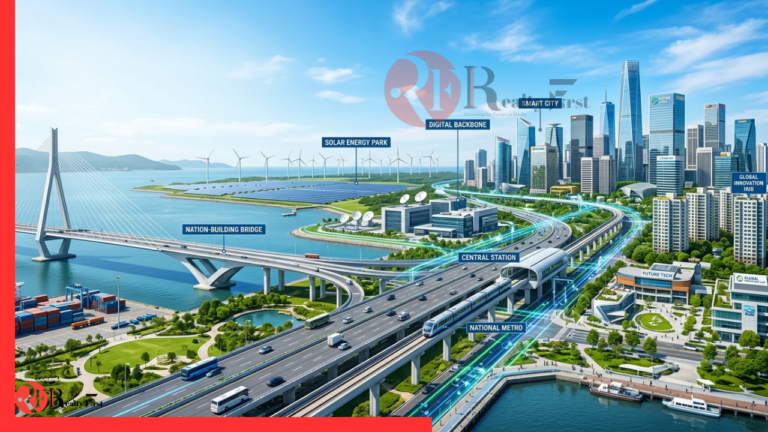

Introduction
If you have followed real estate markets in India over the past decade, you may have noticed a clear pattern. The moment a new metro line or expressway is announced, conversations around property prices begin to shift. Investors start scouting nearby micro markets. Developers launch new residential and commercial projects. Homebuyers rush to book early phase units. This is not a coincidence. The metro & expressway impact on property prices has become one of the most powerful drivers of urban real estate appreciation in India.
Infrastructure development does more than improve commute time. It changes how cities expand, how businesses operate, and how people choose where to live. A well planned metro corridor or high speed expressway can transform a previously overlooked suburb into a high demand residential hub. In this detailed guide, we will explore how metro connectivity and expressway projects influence property values, rental yields, commercial growth, and long term investment potential. Whether you are a homebuyer, investor, or developer, understanding the metro & expressway impact on property prices can help you make smarter real estate decisions in 2026 and beyond.
Understanding the Metro & Expressway Impact on Property Prices
The metro & expressway impact on property prices is rooted in one simple factor, accessibility. When connectivity improves, the perceived distance between two locations reduces. Areas that once felt far from business districts suddenly become viable residential choices. As commuting becomes faster and more predictable, demand rises, and property prices respond accordingly.
Take the example of Noida and Greater Noida. Before metro expansion, certain sectors experienced moderate growth. However, once metro connectivity became operational, residential property prices in those sectors saw steady appreciation. Similarly, in Mumbai, areas connected by the new metro corridors witnessed renewed buyer interest even before project completion. The market often anticipates infrastructure benefits well in advance, which means the metro & expressway impact on property prices can begin at the announcement stage itself.
This appreciation is not always immediate or uniform. It depends on project timelines, execution quality, surrounding amenities, and employment hubs. However, historical data consistently shows that infrastructure linked growth tends to outperform isolated development.
How Metro Connectivity Drives Residential Property Growth
Improved Commute and Lifestyle Appeal
Metro systems reduce travel time and offer reliable transport options. For working professionals, this is a significant advantage. When a metro line connects suburban residential areas to central business districts, homebuyers gain access to affordable housing without sacrificing convenience. As demand rises, developers respond by launching premium residential projects near metro stations.
In cities like Bengaluru and Hyderabad, properties within walking distance of metro stations command noticeable price premiums compared to similar projects located farther away. Buyers are willing to pay more for daily convenience. This reflects the direct metro & expressway impact on property prices in urban housing markets.
Early Stage Investment Opportunities
One of the most strategic approaches investors adopt is buying property during the pre construction or early construction phase of metro projects. Prices are relatively lower during this stage due to uncertainty. However, once construction progresses and operational timelines become clearer, property values often rise.
For example, several micro markets in Pune experienced gradual appreciation during the metro construction phase. Investors who entered early saw capital gains once connectivity improved. This pattern highlights how the metro & expressway impact on property prices creates both short term speculative opportunities and long term wealth creation potential.
Also Read: https://realtyfirstmag.com/infrastructure/sonipat-real-estate-investment-hub-2025
Expressways and the Expansion of Urban Boundaries
Unlocking Peripheral Real Estate Markets
While metro lines enhance intra city connectivity, expressways transform inter city and suburban travel. A new expressway can reduce travel time between major cities by several hours. This shift opens up peripheral regions for residential townships, industrial parks, and commercial hubs.
Consider the Yamuna Expressway connecting Greater Noida to Agra. Over time, this corridor has attracted residential developments, logistics parks, and institutional projects. The improved road infrastructure changed land use patterns and triggered gradual appreciation. The metro & expressway impact on property prices in such corridors often unfolds over a longer period but can be substantial.
Boost to Commercial Real Estate
Expressways do not only benefit residential markets. They also influence commercial real estate demand. Improved highway connectivity encourages warehousing, logistics, and manufacturing investments. As employment opportunities grow in these corridors, housing demand follows naturally.
The Delhi Mumbai Expressway and Mumbai Nagpur Expressway are expected to create similar ripple effects. Investors tracking the metro & expressway impact on property prices closely monitor these corridors for emerging growth pockets.
Commercial Property and Infrastructure Driven Appreciation
Infrastructure projects significantly influence commercial property investment decisions. Office developers prefer locations with strong road and metro connectivity because corporate tenants value accessibility for employees and clients. Retail developers also benefit from higher footfall near metro stations.
In Gurugram, commercial properties near rapid metro stations command higher rental yields compared to less connected areas. Similarly, retail malls near major expressway intersections attract stronger leasing interest. This demonstrates how the metro & expressway impact on property prices extends beyond residential real estate into high CPC segments like commercial leasing and office space investment.
Institutional investors also prioritize infrastructure linked assets because they offer long term stability and predictable appreciation. Improved connectivity reduces vacancy risk and enhances asset liquidity.
Rental Yield and Investor Returns
Rental yield is another important dimension of the metro & expressway impact on property prices. Properties located near metro stations often witness stronger tenant demand. Working professionals prefer homes with easy access to public transport. This demand supports higher rental values and lower vacancy periods.
For example, in Hyderabad, residential projects within close proximity to metro corridors have recorded healthy rental growth. Landlords benefit from consistent occupancy and periodic rent escalations. In commercial segments, office spaces near transport hubs enjoy premium leasing rates.
Investors focused on passive income and long term capital appreciation frequently analyze upcoming infrastructure announcements before making purchase decisions. Connectivity is increasingly becoming a key metric in property valuation models.
Risks and Realistic Expectations
While the metro & expressway impact on property prices is generally positive, it is important to approach infrastructure linked investments with realistic expectations. Delays in project completion can temporarily slow price growth. Regulatory hurdles, funding challenges, and land acquisition issues sometimes extend timelines.
Moreover, not every property near a metro or expressway automatically appreciates at the same rate. Micro market fundamentals, developer credibility, local amenities, and overall demand supply balance also matter. Investors must conduct due diligence rather than relying solely on infrastructure news.
That said, historically, completed and well executed infrastructure projects have delivered consistent value enhancement in Indian real estate markets.
Case Studies from Major Indian Cities
In Mumbai, the expansion of metro lines across western and eastern suburbs has sparked renewed interest in previously overlooked neighborhoods. Developers launched mid income and premium housing projects along these corridors, anticipating future demand. As connectivity improves, these areas are gradually integrating into the mainstream residential market.
In Bengaluru, the metro rail expansion has influenced property demand along the Outer Ring Road and Whitefield corridors. Homebuyers who once hesitated due to traffic congestion are now reconsidering these locations. The metro & expressway impact on property prices in Bengaluru demonstrates how transport infrastructure can reshape buyer perception.
Similarly, in NCR, expressway corridors have attracted integrated township developments. Improved road connectivity has supported both residential and commercial growth, reinforcing the link between infrastructure and property appreciation.
The Future Outlook for Infrastructure Led Real Estate Growth
Looking ahead to 2026 and beyond, infrastructure development remains a central theme in India’s urban planning strategy. With multiple metro expansions and expressway projects underway, the metro & expressway impact on property prices is likely to continue shaping investment patterns.
Smart cities initiatives, transit oriented development policies, and integrated urban planning models further strengthen this trend. As cities expand vertically and horizontally, connectivity will remain a decisive factor in property valuation.
For long term investors, infrastructure linked micro markets offer balanced growth potential. However, timing, research, and diversification remain crucial to maximizing returns.
Also Read: https://realtyfirstmag.com/infrastructure/global-infrastructure-gap-bridging-divide
Conclusion
The metro & expressway impact on property prices is not merely a short term market reaction. It reflects a deeper transformation in how cities evolve and how people live and work. Infrastructure reduces physical distance, unlocks new economic opportunities, and reshapes urban boundaries. As India continues investing in metro rail networks and expressway corridors, real estate markets will adapt accordingly.
For homebuyers, improved connectivity offers lifestyle benefits and potential capital appreciation. For investors, it presents strategic entry points into emerging micro markets. Ultimately, understanding the metro & expressway impact on property prices can help you navigate the evolving landscape of Indian real estate with greater confidence and clarity.