Introduction
Cities across the world are expanding at an unprecedented pace. Rapid urbanization, population growth, and rising economic activity are placing enormous pressure on urban infrastructure. Governments are therefore exploring new approaches to urban development that combine technology, sustainability, and smarter planning. One of the most influential solutions emerging from this shift is the concept of smart city projects driving housing development across rapidly growing urban regions.
The idea of a smart city goes beyond simply constructing modern buildings. It focuses on creating integrated urban ecosystems where technology, infrastructure, mobility, and housing work together to improve the quality of life for residents. Digital connectivity, efficient transportation systems, smart energy management, and sustainable urban planning are becoming central to modern city development strategies.
In recent years, smart city projects driving housing demand have become a powerful catalyst for residential real estate markets. As governments invest in infrastructure upgrades, transport networks, and digital governance systems, new residential zones naturally begin to emerge around these developments. Improved connectivity and enhanced civic services make these areas highly attractive to homebuyers, investors, and developers alike.
For property developers, smart city initiatives present enormous opportunities. Infrastructure upgrades often unlock land value in surrounding areas and encourage large residential developments. Meanwhile, homebuyers benefit from improved urban planning, better public services, and enhanced long term property value. As a result, smart city projects driving housing markets are now considered one of the most significant trends shaping real estate development in many countries.
This article explores how smart city initiatives are influencing housing demand, why investors are paying close attention to these developments, and how urban planning strategies are transforming the residential real estate landscape. By understanding the connection between smart city infrastructure and housing growth, readers can gain valuable insights into one of the most important drivers of modern urban real estate.
Understanding Smart Cities and Modern Urban Development
The concept of smart cities emerged from the need to build urban environments that can efficiently support growing populations. Traditional urban planning often struggled to keep pace with population growth, resulting in traffic congestion, inadequate infrastructure, and inefficient public services. Smart cities attempt to solve these challenges by integrating technology and data driven decision making into urban planning.
At the core of smart city projects driving housing growth is the idea of connected infrastructure. Cities now deploy digital platforms to manage traffic flows, energy distribution, waste management, and public safety systems. These technologies improve operational efficiency while also enhancing the quality of life for residents.
Another important feature of smart cities is sustainability. Modern urban development strategies prioritize green buildings, renewable energy systems, water conservation measures, and efficient waste management practices. These initiatives not only reduce environmental impact but also create healthier living environments.
As these innovations become more widespread, smart city projects driving housing demand are creating attractive residential environments where people can live, work, and access essential services more conveniently.
Also Read: How NVT Group is Designing Trust-Driven Real Estate Communities
How Smart City Infrastructure Boosts Housing Demand
Transportation Connectivity and Residential Expansion
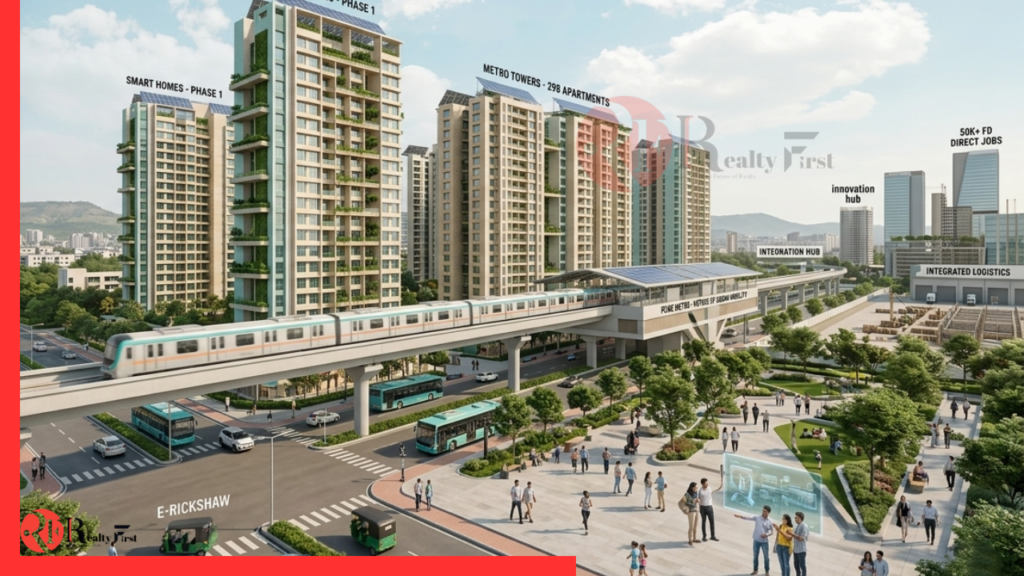
Transportation infrastructure plays a critical role in urban real estate development. New metro lines, expressways, and integrated transit networks significantly improve connectivity between residential areas and business districts. When commuting becomes easier, housing demand naturally expands in areas that were previously considered too distant or inconvenient.
Many examples demonstrate how smart city projects driving housing demand transform residential markets. When new transit corridors are introduced, property prices in nearby areas often increase due to improved accessibility. Developers recognize these opportunities and launch residential projects designed to meet growing demand.
For homebuyers, improved transportation infrastructure reduces travel time and improves daily convenience. Families are increasingly willing to move to newly developed residential areas if they have reliable access to workplaces, schools, and commercial centers.
Digital Infrastructure and Smart Living Environments
Beyond transportation, digital infrastructure also plays an important role in modern housing development. High speed internet networks, integrated digital services, and smart home technologies are becoming essential features of contemporary urban living.
In many smart city projects, residential communities are designed with intelligent infrastructure systems that support digital connectivity, smart security solutions, and automated building management systems. These features improve safety, efficiency, and overall living standards.
As a result, smart city projects driving housing growth often attract technology professionals, entrepreneurs, and younger homebuyers who value digitally connected lifestyles.
Smart City Planning Encouraging Real Estate Investment
Infrastructure Investments Increasing Land Value
One of the most significant economic impacts of smart city initiatives is the increase in land value around infrastructure projects. When governments invest in roads, metro networks, utilities, and public amenities, nearby land parcels become far more valuable for residential development.
Investors closely monitor smart city projects driving housing opportunities because these projects often signal long term urban expansion. Early investment in emerging residential zones can generate significant returns as infrastructure development progresses.
Developers also benefit from this trend. With improved infrastructure in place, residential projects can offer better connectivity and lifestyle amenities, making them more attractive to buyers.
Integrated Urban Planning Supporting Housing Supply
Another important factor behind smart city projects driving housing markets is the concept of integrated urban planning. Instead of developing isolated residential zones, planners now design mixed use districts that combine housing, workplaces, commercial centers, and recreational spaces.
This integrated approach ensures that residential communities have access to essential services within close proximity. Schools, healthcare facilities, parks, shopping areas, and entertainment zones are planned alongside residential projects.
For residents, this design philosophy improves convenience and quality of life. For developers, it creates vibrant communities that attract long term residents rather than temporary buyers.
Sustainability and Green Housing in Smart Cities
Environmental sustainability is becoming a key priority in modern urban development. Smart city initiatives increasingly focus on energy efficient buildings, renewable energy integration, and sustainable water management systems.
These sustainability features are becoming highly attractive to homebuyers. Many buyers today prioritize energy efficient homes that reduce electricity costs and environmental impact. Green buildings also provide healthier indoor environments through improved air quality and natural lighting.
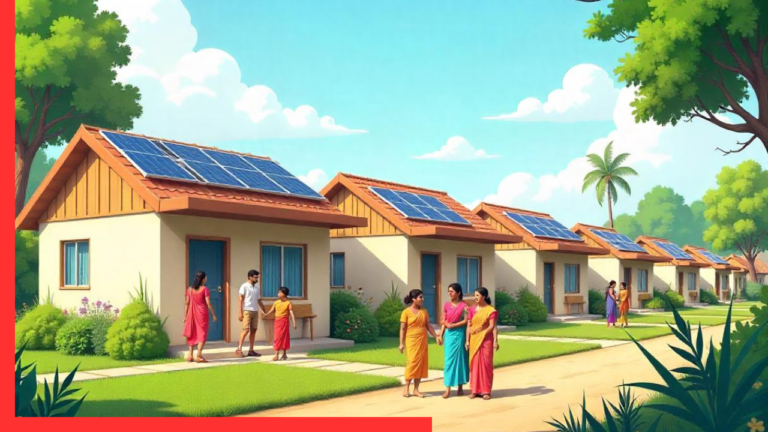
Therefore, smart city projects driving housing development often incorporate green construction practices and eco friendly residential communities. Developers are integrating solar panels, rainwater harvesting systems, and energy efficient building materials into modern housing projects.
These sustainability initiatives not only benefit residents but also improve the long term resilience of urban environments.
Technology Transforming Urban Living
Technology continues to play a central role in shaping modern housing experiences. Smart home systems allow residents to control lighting, security, climate, and appliances through mobile applications. Intelligent building systems monitor energy consumption and maintenance needs in real time.
These innovations are becoming standard features in residential communities developed around smart city projects driving housing demand. Homebuyers increasingly expect technology enabled living spaces that improve convenience and security.
Cities are also deploying smart traffic systems, digital governance platforms, and real time data monitoring tools to improve urban management. As these technologies evolve, they will continue enhancing the attractiveness of smart city residential communities.
Challenges in Smart City Housing Development
Despite the promising potential of smart cities, several challenges remain. Large scale infrastructure projects require significant financial investment and long planning timelines. Delays in project execution can slow down residential development in surrounding areas.
Another challenge involves maintaining affordability. As infrastructure improvements increase property values, housing prices may rise beyond the reach of middle income buyers. Policymakers must therefore balance development with inclusive housing policies.
Data integration and cybersecurity also represent emerging concerns. As cities rely more heavily on digital systems, protecting infrastructure networks from cyber threats becomes increasingly important.
Nevertheless, with careful planning and collaboration between governments, developers, and technology providers, smart city projects driving housing growth can continue transforming urban environments in positive ways.
Future Outlook for Smart Cities and Housing Markets
Looking ahead, smart city initiatives are expected to play an even greater role in shaping real estate development. Artificial intelligence, data analytics, and digital infrastructure will continue improving how cities manage resources and deliver public services.
Urban planners are also focusing on resilient infrastructure that can withstand environmental challenges and climate change. Sustainable transportation systems, green buildings, and renewable energy networks will become central components of future city development.
As these trends evolve, smart city projects driving housing demand will continue creating new residential opportunities for developers and investors.
Also Read: How To Improve Your Credit Score For A Home Loan—and Why It Matters More Than Ever
Conclusion
The relationship between smart city projects driving housing growth and modern urban development is becoming increasingly clear. Infrastructure upgrades, digital connectivity, and integrated planning are transforming how residential communities are designed and developed.
For homebuyers, these projects offer improved quality of life through better transportation, modern infrastructure, and sustainable living environments. For investors and developers, they present opportunities to participate in the next generation of urban growth.
As governments continue investing in smart infrastructure, the influence of smart city projects driving housing markets will only expand. Understanding this trend is essential for anyone interested in the future of real estate development and urban living.