By Mahesh Agarwal, MD, Purti Realty
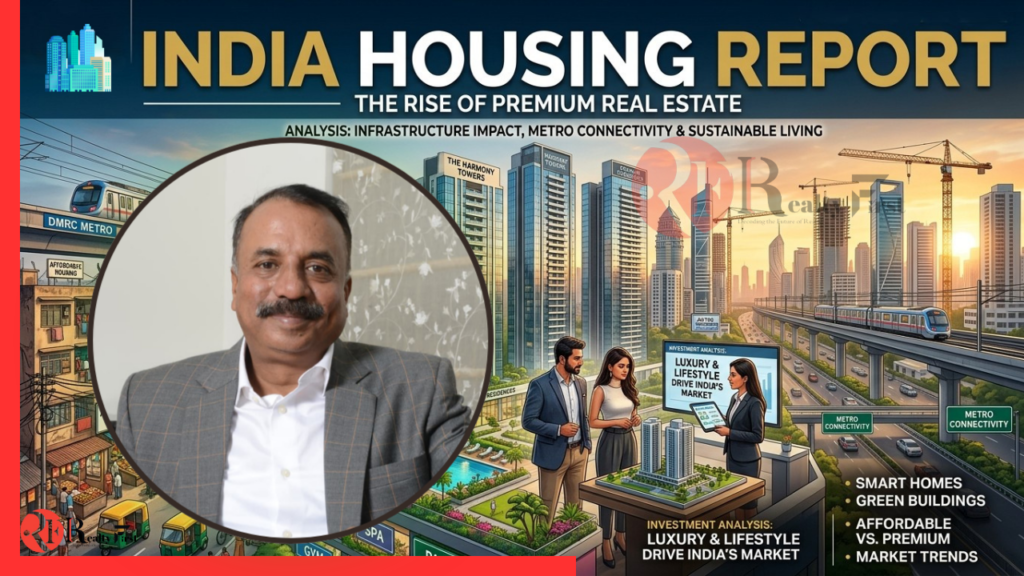
Homebuyers Increasingly Prioritise Lifestyle, Quality and Long-Term Value
India’s residential real estate market is undergoing a significant transformation that extends beyond traditional market cycles. The shift reflects changing buyer preferences, evolving aspirations, and a broader redefinition of value within the housing sector.
For decades, affordability remained the primary factor influencing housing demand. Homebuyers often prioritised cost over most other considerations, accepting trade-offs related to location, amenities, and infrastructure.
Today, however, buyer expectations are changing. Increasingly, homebuyers are gravitating towards premium housing options, driven by aspirations for improved lifestyles, enhanced living environments, and long-term value creation.
Also Read: Eldeco Group Launches Tower Faith at Eldeco Trinity in Lucknow
The Evolution of Homebuyer Aspirations
The transition towards premium housing has emerged gradually alongside broader economic and social changes across urban India.
Rising incomes, improved financial awareness, and greater access to housing finance have expanded the choices available to prospective buyers. As a result, homeownership is increasingly viewed not only as a financial achievement but also as an expression of personal identity, comfort, and security.
The concept of a desirable home has evolved significantly. Earlier, affordability often required compromises in terms of location, accessibility, available amenities, and supporting infrastructure.
In contrast, contemporary buyers are placing greater emphasis on connectivity, neighbourhood quality, social infrastructure, and lifestyle-oriented features when evaluating residential options.
Infrastructure Development Supports Premium Housing Demand
The growth of urban infrastructure has emerged as an important driver behind the increasing demand for premium residential developments.
Large-scale investments in metro rail networks, expressways, airports, and commercial corridors across cities such as Kolkata, Bengaluru, Hyderabad, Pune, and the National Capital Region have expanded the appeal of premium housing destinations.
As infrastructure improves, buyers are increasingly seeking integrated residential environments that combine connectivity, convenience, and lifestyle amenities.
The attractiveness of a residential project is now influenced not only by the housing unit itself but also by the surrounding ecosystem and urban infrastructure.
Value Is No Longer Defined Solely by Price
One of the most notable developments in the housing market is the changing perception of value.
Price remains an important consideration, but it is no longer the sole factor driving purchase decisions.
Homebuyers are increasingly evaluating residential projects based on design efficiency, construction quality, sustainability initiatives, and technological integration.
Features such as smart-home systems, green building practices, energy-efficient designs, and wellness-focused amenities are becoming important components of the decision-making process.
These considerations are contributing to the growing popularity of premium housing across urban markets.
The Pandemic Accelerated Changing Preferences
The COVID-19 pandemic played a significant role in reshaping housing preferences.
As homes became multifunctional spaces serving as offices, classrooms, and personal environments, buyers began placing greater importance on space, layout efficiency, comfort, and functionality.
This shift has continued beyond the pandemic period.
Demand has increasingly moved towards larger residences, improved ventilation, dedicated workspaces, and access to open and recreational areas.
The experience reinforced the importance of quality living environments and accelerated the move towards premium residential developments.
Demographic Shifts Influence Housing Demand
Changing demographics are also contributing to the transformation of the residential market.
A younger and more aspirational homebuyer base is entering the housing market with different expectations and priorities.
This segment is more exposed to global lifestyle trends, more focused on quality and convenience, and more willing to invest in long-term living standards.
For these buyers, homeownership extends beyond asset creation and increasingly represents a lifestyle decision.
Premium Housing Gains Prominence Across Markets
Developers have responded to evolving demand patterns by expanding their focus on premium and mid-income housing categories.
Across major metropolitan markets, premium housing has emerged as one of the fastest-growing segments within the residential sector.
Design differentiation, enhanced amenities, branding, and lifestyle-focused planning have become increasingly important elements of project development strategies.
At the same time, rising land acquisition costs, construction expenses, and development economics have created challenges for the delivery of affordable housing in urban locations.
Affordability Remains Relevant but Is Being Redefined
The growing focus on premium housing does not suggest that affordability has lost relevance within the market.
Instead, the analysis indicates that buyers are redefining affordability through a value-based perspective.
Homebuyers remain conscious of budgets but are increasingly willing to allocate higher investments when they perceive tangible benefits in terms of quality, convenience, design, and long-term utility.
This shift has altered traditional benchmarks used to define affordable housing.
Regulatory Reforms Strengthen Buyer Confidence
The regulatory environment has also contributed to the evolution of the housing sector.
Increased transparency, accountability, and standardisation have enabled buyers to make more informed decisions regarding residential investments.
These changes have strengthened confidence among end-users and supported demand for higher-value housing products.
Balancing Growth and Inclusivity
While premium housing continues to gain momentum, the shift also raises questions regarding accessibility and inclusivity.
A sustained focus on higher-end developments could increase challenges for segments seeking quality housing at lower price points.
Addressing this issue may require improvements in urban planning, infrastructure development, and housing delivery models that can maintain liveability standards while improving affordability.
Also Read: Upcoming Corridors Creating New Hotspots in India’s Real Estate Market
The Future of India’s Residential Market
Looking ahead, India’s residential market appears poised for continued evolution.
Homebuyers are becoming increasingly value-conscious and aspiration-driven, influencing the way residential projects are planned, designed, and delivered.
Demand for premium housing, sustainable communities, and lifestyle-oriented developments is expected to remain strong as urbanisation continues across the country.
Developers that successfully combine quality, connectivity, innovation, and long-term value creation are likely to remain well-positioned within the evolving housing landscape.
The shift from affordability-led purchasing decisions towards value-driven homeownership reflects broader socio-economic changes taking place across India.
As the housing market matures, quality, experience, and long-term value are becoming increasingly important considerations for buyers.
The future of housing in India may therefore be shaped not only by affordability, but also by evolving preferences regarding how people choose to live.