Introduction
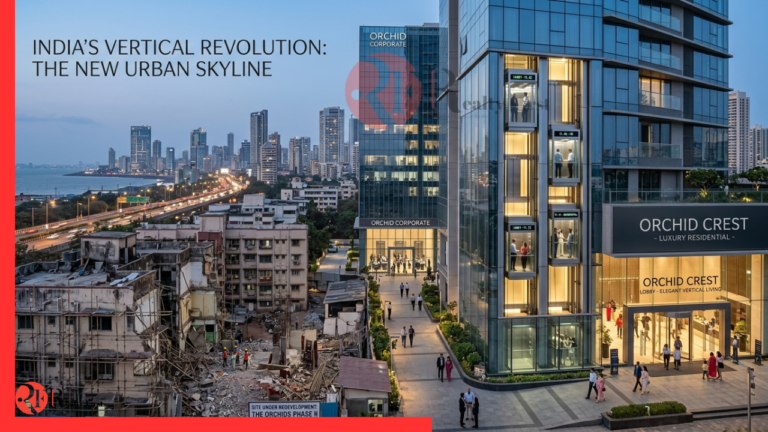
In today’s rapidly evolving business environment, office spaces are no longer just physical locations where employees gather to work. They have become strategic assets that influence productivity, brand perception, and long-term business growth. This transformation is clearly reflected in the rising Grade-A office spaces demand, which has emerged as one of the most defining trends in India’s commercial real estate market.
Over the past few years, companies across sectors have shifted their focus from cost-driven decisions to value-driven investments. As a result, premium office spaces that offer superior infrastructure, modern design, and strategic locations are witnessing consistent demand. The growing preference for quality over quantity is not just a temporary shift but a structural change in how businesses approach workspace planning.
This article takes a deep dive into the dynamics behind Grade-A office spaces demand, exploring the key drivers, evolving workplace expectations, and the long-term impact on India’s commercial real estate landscape. Whether you are an investor, developer, or business leader, understanding this trend is essential to staying relevant in a competitive market.
Also Read: Monthly Real Estate Investment Trends Show Steady Growth Amid Policy Support and Rising Demand
Understanding Grade-A Office Spaces in Today’s Context
To truly grasp the surge in Grade-A office spaces demand, it is important to first understand what sets these properties apart. Grade-A office spaces are typically high-quality commercial buildings located in prime business districts or well-developed commercial corridors. These properties are designed to meet the highest standards in construction, safety, and functionality.
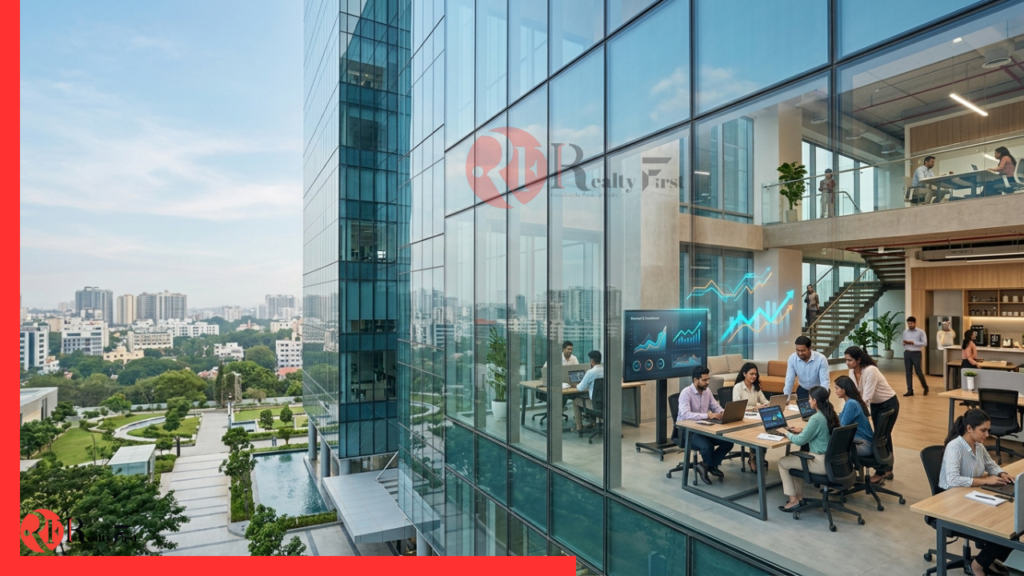
What differentiates Grade-A offices is not just their physical infrastructure but the overall experience they provide. These spaces often feature large, flexible floor plates, advanced HVAC systems, high-speed connectivity, intelligent building management systems, and strong security frameworks. In addition, they are designed with employee comfort in mind, offering natural lighting, ergonomic layouts, and collaborative work environments.
In many ways, Grade-A offices represent the intersection of real estate, technology, and workplace psychology. This holistic approach is a key reason behind the sustained Grade-A office spaces demand across major Indian cities.
The Shift from Cost Efficiency to Value Creation
One of the most significant factors driving Grade-A office spaces demand is the shift in corporate mindset. Earlier, businesses primarily focused on minimizing rental costs. However, today’s companies understand that the workplace plays a crucial role in employee engagement and overall performance.
Organizations are increasingly recognizing that a well-designed office environment can improve productivity, foster innovation, and enhance employee satisfaction. For instance, companies operating in modern, well-lit offices with collaborative zones often report higher levels of engagement and lower attrition rates. This has led to a growing willingness to invest in premium office spaces that deliver long-term value.
Moreover, in a competitive talent market, the quality of office space has become a key differentiator. Businesses are using Grade-A offices as a tool to attract and retain top talent, further fueling Grade-A office spaces demand.
The Role of Global Companies and GCC Expansion
India’s emergence as a global business hub has significantly contributed to the rise in Grade-A office spaces demand. Multinational corporations and Global Capability Centers are expanding their presence across cities such as Bengaluru, Hyderabad, Pune, and Gurugram. These organizations require office spaces that meet international standards in terms of design, technology, and sustainability.
Global companies often have strict requirements when it comes to workplace infrastructure. They look for buildings that offer scalability, reliability, and compliance with global norms. Grade-A office spaces are uniquely positioned to meet these expectations, making them the preferred choice for such organizations.
This influx of global demand has not only increased occupancy levels but has also pushed developers to upgrade their offerings, further strengthening the ecosystem around Grade-A office spaces demand.
Hybrid Work Models Reshaping Office Preferences
The shift towards hybrid work has fundamentally changed how companies use office spaces. Instead of maintaining large, densely populated offices, organizations are now focusing on creating flexible and efficient work environments. This change has had a direct impact on Grade-A office spaces demand.
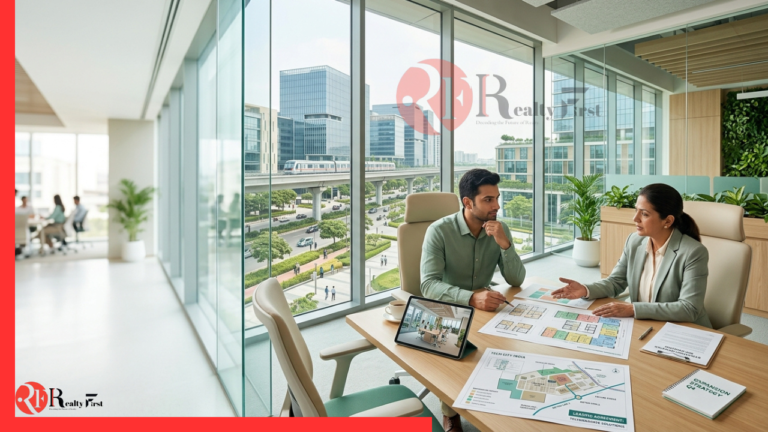
In a hybrid setup, the office is no longer just a place for routine work. It has become a hub for collaboration, innovation, and team interaction. As a result, companies are prioritizing quality, design, and functionality over sheer size. Grade-A offices, with their modern layouts and advanced amenities, are perfectly suited to meet these new requirements.
This evolving work culture has reinforced the importance of premium office spaces, ensuring that Grade-A office spaces demand remains strong even as overall space requirements fluctuate.
Infrastructure, Connectivity, and Location Advantage
Location continues to play a critical role in shaping Grade-A office spaces demand. Premium office buildings are typically situated in well-connected areas with access to major transport networks, business hubs, and social infrastructure. This connectivity is a key factor for both employees and clients.
For employees, shorter commute times and better accessibility translate into improved work-life balance and productivity. For businesses, a prime location enhances brand visibility and credibility. These combined benefits make Grade-A offices highly desirable, even at a premium cost.
In cities like Mumbai, Bengaluru, and Delhi NCR, areas with strong infrastructure development have witnessed a sharp increase in Grade-A office spaces demand, highlighting the direct link between location and value.
Sustainability and the Rise of Green Buildings
Sustainability has become a central theme in modern real estate, and it plays a significant role in driving Grade-A office spaces demand. Many premium office buildings now incorporate green design principles, energy-efficient systems, and environmentally responsible practices.
Companies are increasingly aligning their real estate decisions with their sustainability goals. Leasing space in a green-certified building not only reduces operational costs but also enhances corporate reputation. This alignment has made sustainable Grade-A offices highly attractive to forward-thinking organizations.
As environmental concerns continue to grow, the integration of sustainability into workplace design will remain a key driver of Grade-A office spaces demand.
Investment Perspective and Market Stability
From an investment standpoint, the rise in Grade-A office spaces demand presents a compelling opportunity. These properties typically offer higher rental yields and lower vacancy rates compared to lower-grade assets. Long-term leases with established companies provide stability and predictable returns.
Institutional investors, including REITs and private equity firms, are increasingly focusing on Grade-A office assets. Their continued investment reflects strong confidence in the segment’s long-term potential.
This steady flow of capital has further strengthened the market, making Grade-A office spaces demand a critical indicator of commercial real estate health.
Challenges and Market Realities
Despite the strong growth, it is important to acknowledge the challenges associated with Grade-A office spaces demand. High development costs and premium pricing can limit accessibility for smaller businesses. Additionally, economic fluctuations and changing work patterns can influence demand cycles.
However, these challenges are often offset by the long-term benefits of quality infrastructure and strategic positioning. As the market matures, developers and investors are finding innovative ways to address these issues, ensuring sustained growth in Grade-A office spaces demand.
Future Outlook of Grade-A Office Spaces Demand
Looking ahead, the outlook for Grade-A office spaces demand remains highly positive. As businesses continue to evolve, the need for modern, flexible, and sustainable workspaces will only increase. Emerging trends such as smart buildings, wellness-focused design, and integrated work environments are expected to shape the future of commercial real estate.
India’s growing economy, expanding corporate sector, and increasing global presence will further drive demand for premium office spaces. Developers who can anticipate these trends and deliver high-quality projects will be well-positioned to capitalize on this opportunity.
Also Read: Builder Buyer Agreement Key Clauses: What Every Homebuyer Must Carefully Understand Before Signing
Conclusion
The rise of Grade-A office spaces demand reflects a deeper transformation in how businesses perceive and utilize workspaces. It is no longer about having an office, but about creating an environment that supports growth, innovation, and employee well-being.
As India continues to position itself as a global business hub, the importance of premium office infrastructure will only grow. For stakeholders across the real estate ecosystem, understanding this trend is not just beneficial but essential.
Those who recognize the value of quality, adaptability, and strategic investment today will be the ones shaping the future of commercial real estate tomorrow.