By Shilpin Tater, Founder & Managing Director, Superb Realty
Every year, World Environment Day reminds us that the future of our planet will be shaped not merely by global commitments or policy frameworks, but by the choices made every day by businesses, communities and individuals. As cities continue to expand and urban populations grow, the need to rethink how we build and develop urban spaces has become increasingly important.
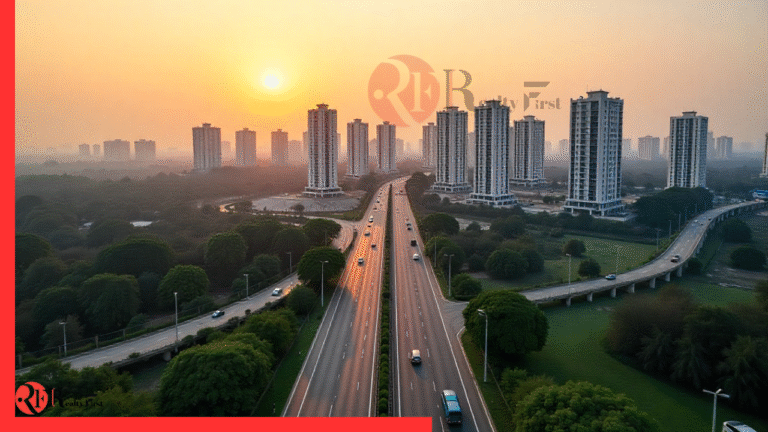
For decades, urban development has been driven by the pursuit of growth. Expanding infrastructure, rising skylines and large-scale development have transformed economies and improved connectivity across regions. However, this progress has also brought significant environmental challenges. Rising temperatures, deteriorating air quality, growing pressure on natural resources and an increasing disconnect between people and nature have become defining concerns for modern cities. The challenge before us today is not whether cities will continue to grow, but how they will grow in a manner that remains sustainable and responsible.
Real estate development sits at the heart of this conversation. The philosophy adopted by developers during planning, design and execution directly influences the environmental footprint of cities for decades. Development and sustainability should no longer be viewed as competing priorities. Instead, the future belongs to projects that successfully balance economic growth with environmental responsibility. The built environment must become part of the solution to urban and climate challenges rather than contribute to them.
One of the most pressing issues facing metropolitan regions such as Mumbai is air quality. For millions of residents, access to clean air is no longer something that can be taken for granted. Air pollution has evolved from a seasonal concern into a year-round challenge that affects public health, workplace productivity and overall quality of life. As developers, we cannot view this issue as the responsibility of others. Buildings of the future must actively contribute to healthier environments and improved living conditions.
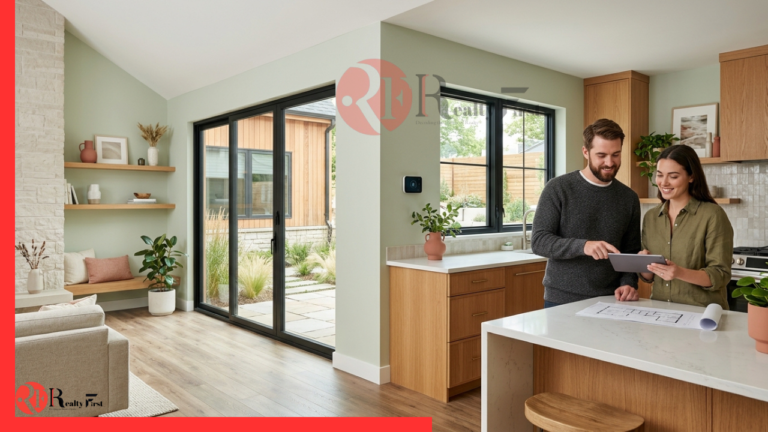
This philosophy-driven approach is equally relevant to both residential and commercial developments. Modern workplaces are no longer simply locations where professional activities take place. They have evolved into ecosystems that influence physical well-being, mental health, creativity and collaboration. As a result, architecture must move beyond aesthetics and functionality. It must create environments that breathe, adapt and support human wellness while fostering meaningful interactions between people and their surroundings.
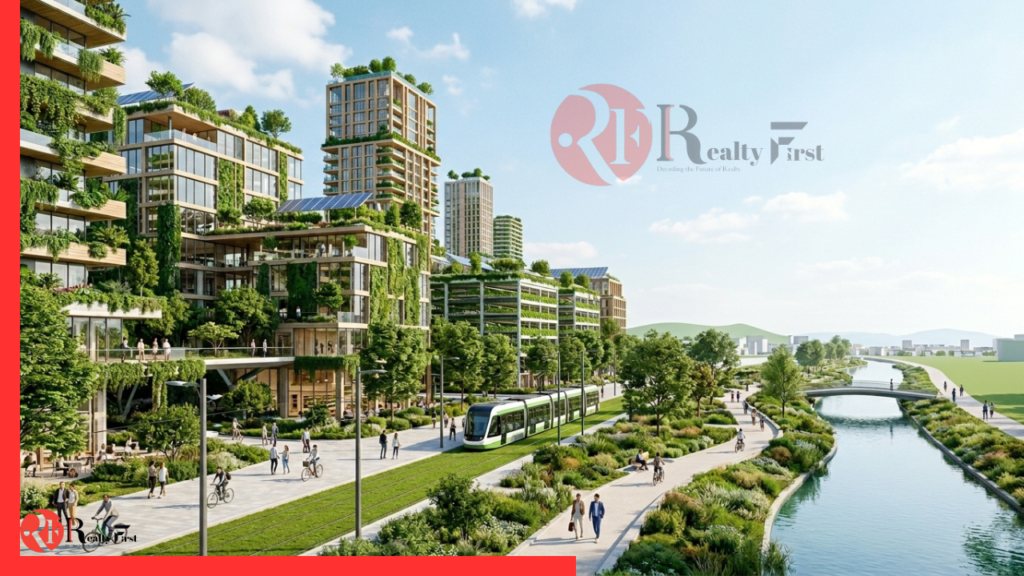
Achieving this vision requires embracing four interconnected pillars: design, sustainability, technology and wellness. The most successful buildings of the future will be those that integrate these elements seamlessly rather than treating sustainability as an additional feature. Thoughtful architecture begins with understanding how people interact with spaces and how natural elements such as light, ventilation and open areas contribute to everyday experiences. Buildings that maximise daylight penetration, encourage airflow and provide access to green spaces can significantly improve the quality of urban life.
Green spaces, landscaped zones, terrace lounges and biophilic design elements should no longer be considered luxury additions. They are increasingly becoming essential components of healthier and more resilient cities. Their role extends beyond aesthetics, helping improve mental well-being, reduce stress and strengthen the connection between people and nature within dense urban environments.
Technology also has a critical role to play in shaping sustainable cities. Intelligent building systems now enable developers and operators to monitor energy consumption, indoor environmental conditions and operational efficiency in real time. Advances in environmental monitoring and AI-driven air quality solutions have created opportunities for buildings to become active participants in improving indoor environments. These innovations demonstrate how technology can simultaneously support sustainability objectives while enhancing the user experience.
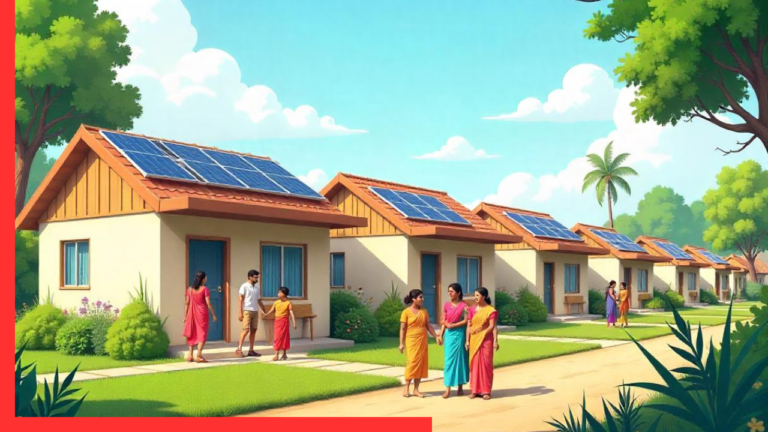
At the same time, sustainability extends far beyond energy efficiency. It requires responsible resource management across every stage of development. Rainwater harvesting, wastewater recycling, renewable energy integration, efficient construction methodologies, construction waste recycling and energy-efficient lighting systems should no longer be considered optional practices. They represent fundamental responsibilities that every stakeholder in the development ecosystem must embrace.
Developers must also think beyond individual projects and consider their broader impact on the urban ecosystem. The real estate sector occupies a unique position because every building created today will continue influencing communities, lifestyles and environmental outcomes for generations. The decisions taken during planning and construction will shape not only present-day experiences but also the quality of life available to future generations.
World Environment Day presents an opportunity for the industry to redefine how success is measured. Success should not be evaluated solely by square footage delivered or financial returns generated. It should also be measured by the quality of life created, the environmental footprint reduced and the positive legacy left behind for communities and future residents.
Also Read: Fixed vs Floating Home Loan: Which Option Is Better for Homebuyers in 2026?
The cities of tomorrow must be intelligent, resilient and sustainable. They must offer environments where innovation co-exists with nature, where productivity is balanced with wellness and where progress strengthens rather than compromises environmental stewardship. As developers, we must remain committed to creating future-ready, environmentally conscious and deeply human-centric developments. Because the most valuable spaces are not simply those that stand tall—they are the ones that help people and the planet thrive together.