India’s real estate growth cycle is entering a new phase, with Tier-2 and Tier-3 cities emerging as key drivers of expansion, backed by infrastructure investments, industrial growth, and policy-led urbanisation.
For years, metros such as Mumbai, Delhi-NCR, Bengaluru, and Pune dominated the country’s property market. However, rising costs, land scarcity, and saturation in these cities are pushing both developers and investors to look beyond traditional urban hubs.
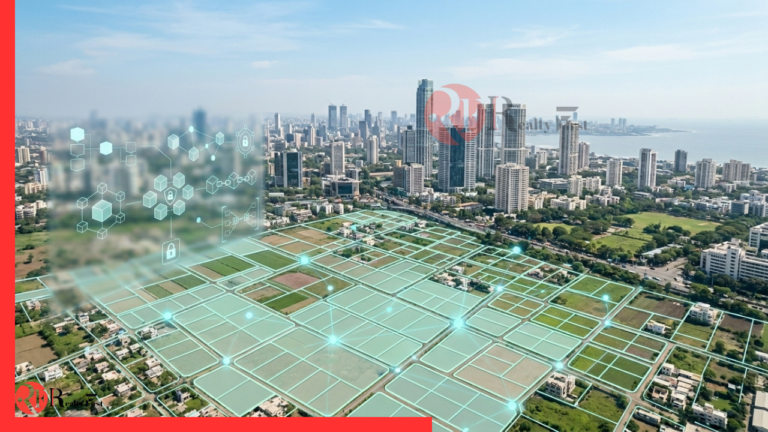
Industry estimates suggest that land prices in emerging cities could rise between 25% and 100% over the next two to four years, driven by improved connectivity and economic activity.
Infrastructure Push Reshaping Land Economics
The shift is being accelerated by large-scale public investment.
The Union Budget 2026 proposed the development of City Economic Regions (CERs) with an allocation of ₹5,000 crore per region over five years. This comes alongside a broader infrastructure pipeline of ₹12.2 lakh crore, targeting expressways, freight corridors, logistics hubs, and urban expansion projects.
Real estate experts say infrastructure announcements themselves are now influencing land valuations — even before project completion.
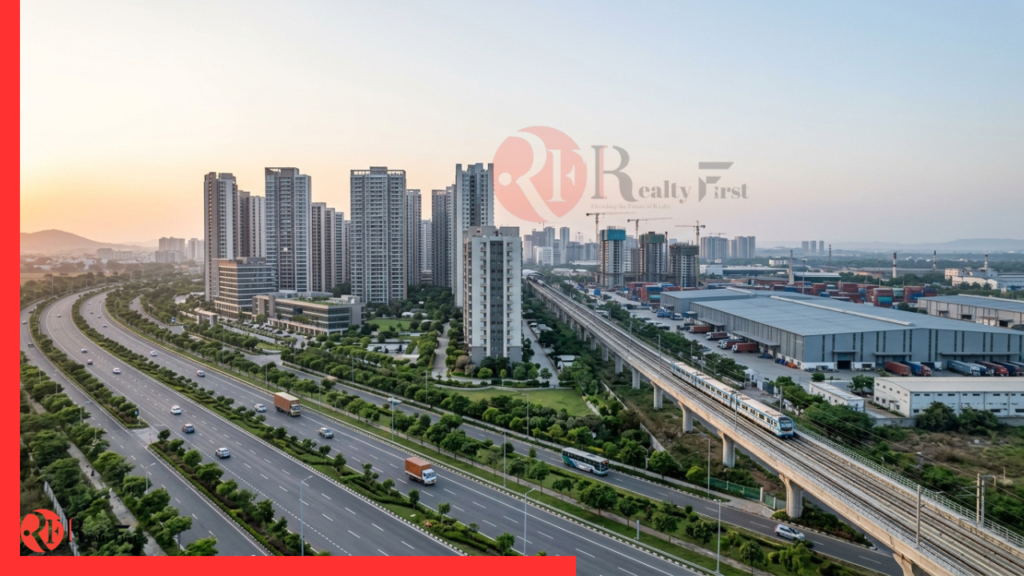
Properties located within 500 metres to 1 kilometre of metro corridors are already commanding premiums of 8% to 25%, while assets along expressways and transport corridors are expected to appreciate between 15% and 40% once operational. Locations near airports and national highways could see gains of up to 70% over the project lifecycle.
Also Read: From Landmarks to Luxury: How Chembur Is Emerging as a Premium Housing Hub
Industry Voices: Structural Shift, Not Speculation
Shrivallabh Goyal, CEO and Whole-Time Director, Reliance Model Economic Township (MET), said the ongoing transformation is being driven by integrated infrastructure and industrial ecosystems.
“The shift toward Tier-2 and emerging urban clusters represents a structural transformation in India’s real estate and industrial development landscape. As industry, employment and supply chains expand, they naturally catalyse residential and commercial demand,” he noted.
Parvinder Singh, CEO, Trident Realty, emphasised that rising land values reflect deeper economic changes rather than short-term speculation.
“Government-led infrastructure development is rapidly altering the growth potential of Tier-2 and Tier-3 cities. The increase in land prices is a signal of structural urbanisation and expanding economic activity,” he said.
Emerging Cities Lead the Next Housing Wave
According to industry data, cities such as Bhubaneswar, Cuttack, Erode, Puri, Varanasi, and Visakhapatnam are witnessing increased traction among both investors and homebuyers.
These markets offer relatively lower entry prices compared to metros, along with improving infrastructure and employment opportunities.
Ashish Agarwal, Director, AU Real Estate, said the demand in these regions is becoming more broad-based.
“The expected rise in land prices reflects growing confidence in the long-term potential of Tier-2 and Tier-3 cities. Infrastructure projects, highways, and logistics hubs are key demand drivers,” he said.
End-User Demand Replacing Speculative Cycles
Unlike previous real estate cycles, which were often driven by speculative investments, the current growth phase is anchored in end-user demand.
Affordable housing priced between ₹30 lakh and ₹60 lakh is attracting first-time buyers, while mid-segment and premium housing categories are witnessing steady demand from upwardly mobile households.
This shift is closely linked to job creation in manufacturing, logistics, and services sectors across emerging regions.
Industrial Corridors Driving the Next Growth Engine
The expansion of industrial corridors is playing a decisive role in reshaping real estate demand outside metro cities.
Government initiatives aimed at reviving over 200 legacy industrial clusters, along with a renewed push in electronics manufacturing and semiconductor development, are expected to generate large-scale employment.
Santosh Agarwal, Executive Director and CFO, Alpha Corp Development, said infrastructure-led development is creating new economic centres.
“Investments in expressways, rail corridors, and industrial hubs are strengthening connectivity and unlocking growth in regions beyond traditional urban centres,” she said.
Industry estimates indicate that industrial and logistics-driven demand could push land value growth by 20% to 60% in several emerging markets.
Aman Sharma, Managing Director and Founder, Aarize Group, added:
“Tier-2 cities are set to play a key role in expanding India’s real estate landscape. These markets are becoming increasingly attractive for long-term investors and developers.”
Also Read: Smart Real Estate Affordability Planner
Outlook: The Next Phase of Urban India
With metro markets approaching maturity, Tier-2 and Tier-3 cities are increasingly becoming the focal point of India’s next real estate cycle.
The convergence of infrastructure investment, industrial expansion, and affordability is expected to redefine urban growth patterns over the coming decade.
For developers and investors, the opportunity lies in early participation, strategic planning, and alignment with infrastructure-led growth corridors.