Introduction
In real estate, location has always been the deciding factor behind property value. However, in 2026, the definition of a “good location” has changed dramatically. Buyers and investors no longer look only at premium neighborhoods or luxury amenities. Today, road connectivity and property appreciation have become deeply connected, especially in rapidly growing urban and suburban regions. Whether it is a metro city expansion corridor, an upcoming expressway zone, or a newly connected township, infrastructure is now one of the strongest drivers of real estate growth.
Across India and globally, major highways, ring roads, elevated corridors, metro links, and smart infrastructure projects are transforming underdeveloped areas into high-demand investment destinations. A property located near a well-planned road network often experiences faster appreciation, stronger rental demand, better commercial activity, and higher long-term returns. Investors who understand the relationship between road connectivity and property appreciation are usually able to identify high-growth micro markets before prices surge.
For homebuyers, connectivity affects daily lifestyle. Shorter commute times, easier access to schools and hospitals, better public transportation, and smoother travel routes directly improve quality of life. For investors, it creates economic momentum. Businesses move into connected regions, employment opportunities increase, and residential demand rises naturally. This cycle pushes property prices upward over time.
In this detailed guide, we will explore how road infrastructure influences property value, why connectivity corridors become real estate hotspots, how developers strategically launch projects around upcoming roads, and what investors should evaluate before purchasing property in infrastructure-driven markets. If you are planning to invest in real estate in 2026, understanding the impact of road connectivity on property appreciation can help you make smarter and more profitable decisions.
Also Read: Mahindra Lifespaces Launches ‘Mahindra BeaconHill’ in South Mumbai with ₹1,650 Crore GDV
Why Road Connectivity Matters in Real Estate
Road connectivity is one of the most powerful factors influencing modern real estate development. Good connectivity creates accessibility, and accessibility creates demand. When an area becomes easier to reach, it automatically becomes more attractive for residential buyers, commercial establishments, retail businesses, and institutional development.
Imagine two residential projects with similar amenities and pricing. One project is located in an isolated area with poor road access, while the other is connected through an expressway and linked to major employment hubs within thirty minutes. Most buyers naturally prefer the second option because convenience directly impacts daily life. Over time, stronger demand increases property prices and rental values.
This is exactly why road connectivity and property appreciation go hand in hand. Areas connected by highways, bypass roads, flyovers, and metro corridors often witness accelerated infrastructure development. Retail malls, schools, healthcare centers, and corporate offices begin entering these regions because connectivity ensures customer movement and workforce accessibility.
In India, infrastructure-led growth has become a major trend. Cities such as Pune, Bengaluru, Hyderabad, Mumbai, and Delhi NCR have seen property values rise sharply in areas where expressways and ring roads improved accessibility. Investors who purchased land or apartments before connectivity projects were completed often earned substantial returns.
Another important factor is travel time reduction. Modern urban buyers prioritize time efficiency. A location that reduces commute stress becomes highly desirable, especially among working professionals. Developers understand this trend and strategically launch residential townships near upcoming infrastructure projects to capture future appreciation potential.
Connectivity also influences commercial real estate. Businesses prefer locations with easy logistics, employee access, and transportation support. This demand further increases nearby residential value because people prefer living close to workplaces and commercial hubs.
Ultimately, roads do much more than connect places. They connect economic opportunities, lifestyle improvements, and investment growth. That is why road connectivity remains one of the strongest indicators of future property appreciation.
The Direct Relationship Between Road Connectivity and Property Appreciation
The connection between road connectivity and property appreciation is based on economic fundamentals. Better infrastructure improves accessibility, accessibility increases demand, and higher demand pushes property prices upward.
When a new expressway or highway is announced, real estate activity in surrounding areas often begins immediately. Developers acquire land, investors enter early, and businesses plan expansion. Even before project completion, speculative and genuine demand increases because people anticipate future growth.
For example, areas near major infrastructure projects such as the Mumbai Trans Harbour Link, Dwarka Expressway, Samruddhi Mahamarg, and Bengaluru Peripheral Ring Road witnessed significant property appreciation during development phases itself. Buyers understood that improved connectivity would transform these areas into high-demand residential and commercial destinations.
One important concept here is perceived distance versus actual distance. A locality physically located far from the city center may still attract strong demand if road connectivity reduces travel time significantly. A forty-kilometer commute on a fast expressway often feels more convenient than a fifteen-kilometer journey through congested city roads.
This shift changes buyer psychology. Locations previously considered “too far” suddenly become attractive because connectivity improves daily convenience. As demand increases, developers launch new projects, social infrastructure improves, and property values rise steadily.
Road infrastructure also improves liquidity in real estate markets. Properties in well-connected regions are easier to sell or rent because more buyers consider them viable options. Higher liquidity reduces investment risk and increases confidence among investors.
Another reason road connectivity drives property appreciation is economic expansion. Improved transportation networks attract industries, logistics parks, IT hubs, warehousing facilities, and retail developments. Employment growth follows, and residential demand increases naturally. This ecosystem creates sustainable long-term appreciation instead of temporary price spikes.
In many cases, infrastructure growth reshapes entire cities. Emerging corridors become new urban centers with integrated residential and commercial ecosystems. Investors who identify these transformation zones early often benefit from multi-year appreciation cycles.
How Expressways and Highways Create Real Estate Hotspots
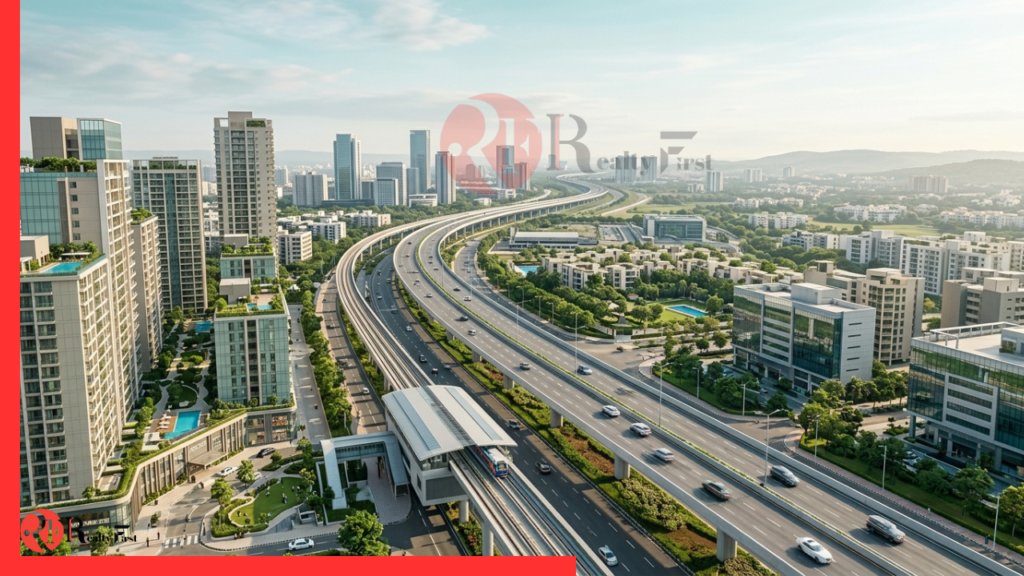
Modern expressways are no longer just transportation projects. They are economic growth corridors that redefine regional real estate markets. Whenever a major expressway is announced, surrounding land parcels often become future investment zones.
The reason is simple. Expressways reduce travel time dramatically. When a city becomes connected to nearby business hubs, airports, industrial zones, or satellite towns, residential demand expands beyond traditional urban boundaries. This creates opportunities for affordable housing, luxury developments, plotted communities, and commercial projects.
Take Pune as an example. Infrastructure corridors connecting Pune with Mumbai and nearby industrial regions have significantly influenced property appreciation in suburban micro markets. Areas once considered peripheral are now attracting premium residential projects because connectivity has improved lifestyle convenience and employment access.
Similarly, the Dwarka Expressway transformed Gurugram’s real estate market. Developers launched large-scale residential communities anticipating future demand driven by improved connectivity to Delhi and the airport region. Property values appreciated steadily as infrastructure progressed.
Expressways also benefit logistics and industrial real estate. Warehousing companies prefer locations near highways because transportation efficiency directly impacts operational costs. As industrial and warehousing activity grows, nearby residential markets also strengthen due to employment generation.
Another major advantage is decentralization. Large cities often struggle with congestion and expensive real estate prices. Improved road connectivity allows people to live farther away while maintaining easy access to workplaces. This increases demand in suburban and emerging areas, leading to strong appreciation potential.
Government infrastructure investments also create confidence among institutional investors. When authorities invest heavily in road networks, it signals long-term urban development plans. This attracts private investment into real estate, hospitality, retail, and commercial sectors.
However, not every highway project guarantees instant appreciation. Investors must evaluate actual progress, connectivity benefits, future development plans, and economic activity around the corridor. Genuine infrastructure-led growth happens when connectivity supports long-term urban expansion and employment generation.
Why Investors Track Infrastructure Before Buying Property
Experienced real estate investors often study infrastructure plans before selecting properties because infrastructure determines future demand patterns. Buying property after an area becomes fully developed usually means paying premium prices. Early investment in infrastructure-driven locations often provides better appreciation opportunities.
Road connectivity and property appreciation are closely monitored by institutional investors, developers, and land aggregators because connectivity improvements usually create long-term growth cycles. Investors analyze government master plans, highway proposals, metro projects, ring roads, and industrial corridors to identify emerging micro markets.
One common strategy involves investing near infrastructure projects during early development phases. Prices are generally lower before construction reaches advanced stages. As project completion approaches and connectivity improves, buyer demand rises and property values appreciate.
However, successful investing requires careful research. Investors should verify project approvals, construction timelines, surrounding social infrastructure, and economic growth potential. Not every announced road project gets completed on schedule. Delays can affect appreciation timelines.
Another important factor is integrated development. Connectivity alone is not enough. A location should also have schools, healthcare facilities, retail spaces, employment opportunities, and lifestyle infrastructure. Areas that combine road connectivity with strong urban planning tend to perform better over time.
Rental demand is another consideration. Well-connected locations attract working professionals and families seeking convenient commuting options. Strong rental demand improves investment returns and creates stable cash flow opportunities.
Many investors also evaluate future commercial potential. Roads often attract office parks, logistics hubs, shopping centers, and hospitality developments. Commercial growth increases employment and strengthens residential demand further.
Real estate appreciation driven by connectivity is generally more sustainable than speculative market hype because it is supported by actual infrastructure improvements and economic activity. This makes connectivity-focused investing relatively safer compared to trend-based investment decisions.
The Impact of Road Connectivity on Residential Property Value
For residential buyers, connectivity directly affects lifestyle satisfaction. Long commute times, traffic congestion, and poor road access create stress and reduce daily convenience. As a result, homebuyers increasingly prioritize connectivity over central city locations.
Modern buyers prefer homes located near expressways, arterial roads, metro stations, and business corridors because these features improve mobility. This demand increases residential property value in connected regions.
Developers now market connectivity as a major selling point. Project advertisements frequently highlight travel time to airports, IT parks, business districts, educational institutions, and entertainment hubs. This reflects changing buyer priorities in urban real estate markets.
Road connectivity and property appreciation are especially visible in suburban housing markets. Improved highways enable buyers to access larger homes and better amenities outside crowded city centers while maintaining reasonable commute times.
Families also consider connectivity for long-term convenience. Easy access to hospitals, schools, shopping centers, and workplaces improves overall lifestyle quality. Areas with strong road infrastructure often attract better social infrastructure over time, further increasing property values.
Another important trend is remote and hybrid work culture. While flexible work models reduced daily commuting for some professionals, connectivity still matters because people value occasional office access, airport connectivity, and urban convenience. As a result, connected suburban locations remain highly attractive.
Premium residential communities near infrastructure corridors often witness stronger resale value compared to isolated developments. Buyers feel more confident purchasing in areas with visible infrastructure growth because future appreciation potential appears stronger.
Connectivity also impacts luxury real estate. High-net-worth buyers increasingly prefer locations offering privacy along with fast access to urban centers. Well-planned road infrastructure enables this balance, making premium suburban developments more desirable.
Commercial Growth and Economic Expansion Through Connectivity
Commercial real estate growth often follows infrastructure development. Businesses depend heavily on transportation efficiency because employee movement, logistics operations, and customer accessibility directly impact profitability.
When road connectivity improves, commercial activity increases naturally. Office developers, retailers, hospitality brands, and logistics companies begin exploring opportunities in emerging corridors. This economic activity strengthens nearby residential markets as well.
Technology parks, warehousing clusters, and manufacturing hubs frequently develop near major highways and expressways because connectivity improves supply chain operations. These employment centers create residential demand from professionals seeking nearby housing options.
For example, several suburban regions across Bengaluru and Hyderabad experienced rapid residential appreciation after IT corridors expanded through improved road connectivity. As companies established offices, nearby housing demand surged.
Retail businesses also prefer connected locations because accessibility increases customer footfall. Shopping malls, entertainment zones, and restaurants often emerge along major corridors, transforming underdeveloped areas into lifestyle destinations.
This economic expansion creates a multiplier effect. Infrastructure attracts businesses, businesses create jobs, jobs increase residential demand, and residential demand drives property appreciation. This cycle explains why connectivity-led real estate growth often becomes sustainable over the long term.
Governments also promote infrastructure development to encourage regional economic growth. Smart cities, industrial corridors, logistics parks, and urban expansion projects depend heavily on transportation networks. Real estate markets closely follow these development patterns.
Investors who understand the economic impact of connectivity are usually better positioned to identify future growth locations before mainstream demand increases.
Risks Investors Should Consider Before Buying in Infrastructure Corridors
Although road connectivity and property appreciation are strongly linked, investors should avoid blindly purchasing property based solely on infrastructure announcements. Careful due diligence remains essential.
One common mistake is investing in speculative markets where infrastructure plans exist only on paper. Delays in approvals, funding issues, land acquisition challenges, or political changes can slow project execution significantly.
Investors should study project timelines carefully. A road project expected to complete within three years may actually take much longer. Delayed connectivity can postpone appreciation and affect investment returns.
Another risk involves oversupply. Sometimes developers launch excessive projects near upcoming corridors, leading to temporary inventory pressure. In such cases, appreciation may remain slower until actual demand catches up.
Connectivity alone also cannot compensate for poor urban planning. Locations lacking schools, hospitals, water supply, or social infrastructure may struggle despite good roads. Sustainable appreciation usually requires balanced development.
Environmental concerns are another factor. Large infrastructure projects sometimes impact green zones, water bodies, or agricultural land. Buyers increasingly consider environmental sustainability while evaluating residential investments.
Legal verification is equally important. Investors should ensure clear land titles, approved layouts, regulatory compliance, and reliable developer reputation before purchasing property in emerging corridors.
Smart investing involves balancing optimism with practical research. Infrastructure can create enormous opportunities, but successful outcomes depend on execution quality, surrounding development, and genuine economic growth.
Future Trends in Infrastructure-Led Real Estate Growth
The future of real estate development will increasingly revolve around connectivity and integrated infrastructure planning. Governments worldwide are prioritizing transportation modernization to support economic growth, urban expansion, and smart city development.
In India, expressways, metro rail projects, multi-modal transport systems, and industrial corridors are reshaping real estate dynamics. Investors are no longer focusing only on city centers. Emerging suburban and satellite regions connected through modern infrastructure are becoming attractive investment destinations.
Road connectivity and property appreciation will become even more important as urban populations continue expanding. Cities require decentralized growth models, and transportation networks make this possible.
Electric vehicle infrastructure, smart mobility systems, and sustainable urban planning will also influence future property markets. Locations designed around integrated transportation ecosystems may experience stronger long-term demand.
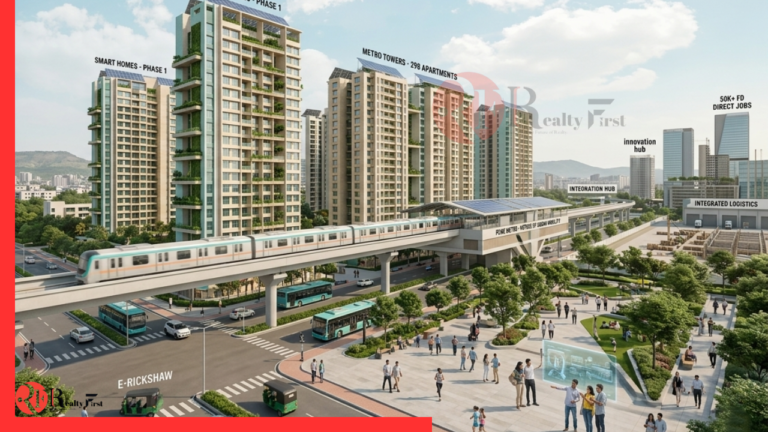
Another emerging trend is transit-oriented development. Developers increasingly create mixed-use communities near transportation hubs, combining residential, commercial, retail, and recreational spaces within connected urban ecosystems.
Technology will further transform infrastructure planning. Data-driven traffic management, smart highways, and AI-powered urban planning may improve transportation efficiency and support better real estate growth patterns.
For investors and homebuyers, understanding infrastructure trends will remain critical. Real estate markets are evolving rapidly, and connectivity will continue influencing property value, demand, and investment potential for years ahead.
Also Read: Smart City Projects Driving Housing Growth in Modern Urban India
Conclusion
The relationship between road connectivity and property appreciation has become stronger than ever in modern real estate markets. Infrastructure is no longer just a supporting factor. It is now one of the primary drivers of residential demand, commercial expansion, and long-term investment growth.
Well-connected regions attract businesses, employment opportunities, lifestyle infrastructure, and population growth. These factors create sustained real estate demand and stronger appreciation potential over time. From expressways and metro corridors to smart urban transportation networks, connectivity continues reshaping how cities grow and how property markets evolve.
For investors, understanding infrastructure trends can unlock high-growth opportunities before prices peak. For homebuyers, connectivity improves daily life, convenience, and future resale value. However, successful decisions require proper research, legal verification, and long-term planning.
As cities continue expanding in 2026 and beyond, infrastructure-led real estate growth will remain one of the most important trends shaping the global property market. Buyers who recognize the long-term value of connectivity today may benefit significantly in the future.