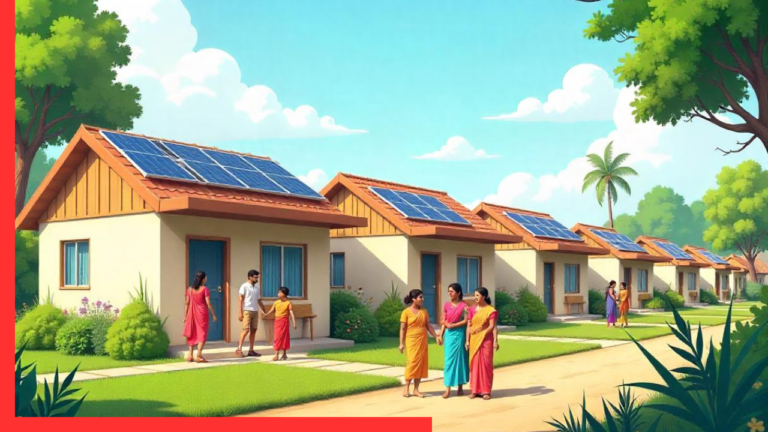
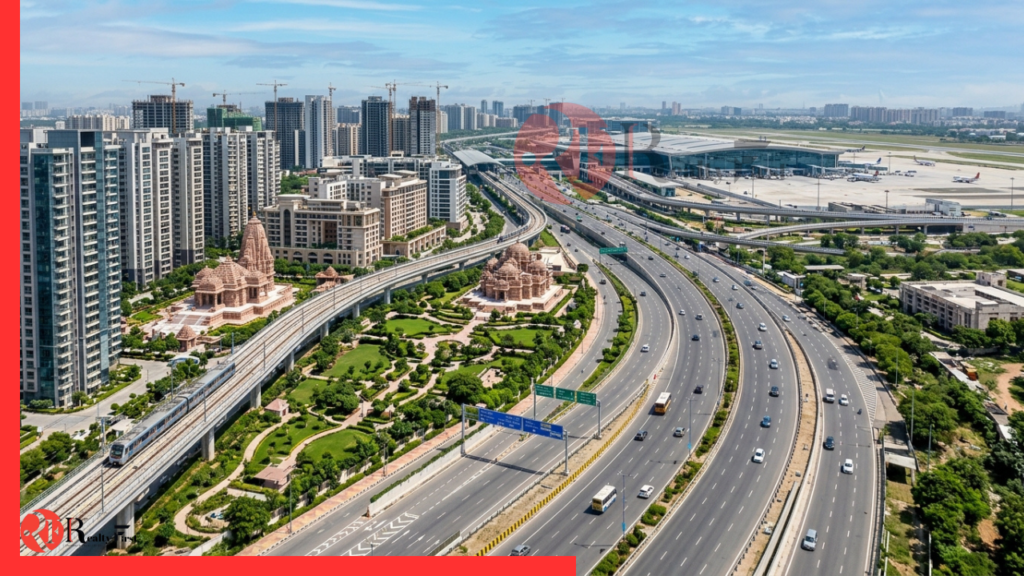
India’s real estate landscape is witnessing a notable shift as Tier 2 cities and temple towns emerge as independent growth centres rather than extensions of metropolitan markets. Cities such as Ayodhya, Lucknow, and Shirdi are increasingly attracting homebuyers and investors, supported by infrastructure development, cultural significance, and relatively affordable property prices.
Unlike earlier growth cycles that largely depended on spillover demand from major metropolitan regions, these markets are now generating demand driven by local economic activity, improved connectivity, and evolving buyer preferences. This transition is creating a more stable, end-user-oriented real estate environment with long-term growth potential.
Also Read: How Infrastructure and Urban Growth Are Driving Retail Expansion Across NCR Markets
Infrastructure development continues to be one of the primary drivers behind this transformation. Significant investments in expressways, airports, railway upgrades, and urban mobility projects are reshaping the accessibility and perception of these cities.
Ayodhya, following the development around the Ram Mandir and the expansion of aviation infrastructure, is gradually evolving into a year-round destination instead of being limited to seasonal pilgrimage traffic. Improved connectivity is expected to support both tourism-related demand and residential development.
Lucknow is also witnessing sustained expansion through the growth of information technology hubs, improved intra-city transportation networks, and the gradual extension of its urban boundaries. These developments are encouraging residential and commercial activity beyond traditional city centres.
According to Square Yards’ recent report, land prices across Tier 2 and Tier 3 cities could increase by 25% to 100% over the next 2–4 years. The report attributes this outlook to multiple structural factors rather than a single catalyst.
Among the major growth drivers is the government’s infrastructure push, including the proposed City Economic Regions (CERs) with an investment of Rs 5,000 crore per region, aimed at accelerating regional economic development. The report also notes that metro connectivity continues to influence residential property values, with homes located near metro corridors commanding an 8–25% premium and witnessing 15–40% appreciation following project completion.
Industry reports further indicate that the inauguration of the Ganga Expressway is expected to contribute to 12–15% property price appreciation across cities including Prayagraj, Meerut, Hapur, Hardoi, and Amroha during the next 12–18 months, reflecting the growing impact of transport infrastructure on regional real estate markets.
Alongside infrastructure-led expansion, faith-driven real estate is emerging as another important trend. Temple towns such as Shirdi are witnessing changing patterns of property demand, extending beyond hospitality assets designed for short-term visitors.
The sustained inflow of pilgrims and tourists to the Shirdi Sai Baba Temple has contributed to increasing interest in second homes, serviced residences, and plotted developments. This reflects a broader shift among buyers seeking longer-term ownership opportunities while maintaining a connection with spiritually significant destinations.
Commenting on this evolving trend, Neeraj Gulati, Managing Director, Assotech Realty, said, “Temple towns and Tier II cities are changing the narrative of what ‘luxury’ means in the Indian context. Today’s traveller is not just seeking proximity, but a more layered experience: comfort, authenticity, and a sense of place, even within a religious journey. This shift is visible in the growing presence of premium hotels, serviced residences, and thoughtfully planned mixed-use developments across cities like Ayodhya and Shirdi. It reflects a market that is maturing in a more integrated way, where hospitality, retail, and residential formats evolve together. Demand, too, is becoming less seasonal and more sustained; diverse in profile and increasingly global in nature, opening up new opportunities for experience-led, future-ready development.”
The profile of homebuyers in these emerging markets is also undergoing a gradual transformation. Demand is increasingly being driven by a combination of end-users seeking long-term residential stability and investors looking to participate in markets that are still at relatively early stages of development.
A growing number of younger homebuyers are choosing to establish themselves in Tier 2 cities rather than relocate to metropolitan centres. Improvements in infrastructure, expanding employment opportunities, and evolving urban ecosystems are supporting this trend. Additionally, hybrid work models have enabled greater flexibility, allowing many professionals to prioritise quality of life while remaining connected to employment opportunities.
Sharing her perspective on Lucknow’s evolving residential market, Preksha Singh, CEO, Agrasheel Infratech, said, “Lucknow’s real estate growth is being shaped by a combination of strong infrastructure, administrative importance, and evolving lifestyle aspirations. Unlike some high-volatility markets, demand here is largely end-user driven, which brings a degree of stability and depth to the sector. The expansion of key corridors and the emergence of new residential hubs are encouraging both developers and homebuyers to look beyond traditional city centers. There is also a noticeable shift towards better-planned communities and lifestyle-oriented housing. Going forward, the focus will be on delivering quality and consistency rather than just scale.”
Taken together, these developments indicate that the growth of Tier 2 and Tier 3 real estate markets is being supported by structural changes rather than short-term market cycles. Infrastructure investments, improving connectivity, evolving buyer preferences, and sustained economic activity are contributing to a more geographically diversified housing market.
Also Read: Coworking as an Asset Class: Redefining Risk, Returns, and Office Strategy
As these cities continue to strengthen their infrastructure and urban ecosystems, India’s real estate growth story is increasingly becoming multi-nodal, with temple towns and emerging urban centres playing a larger role alongside established metropolitan markets.