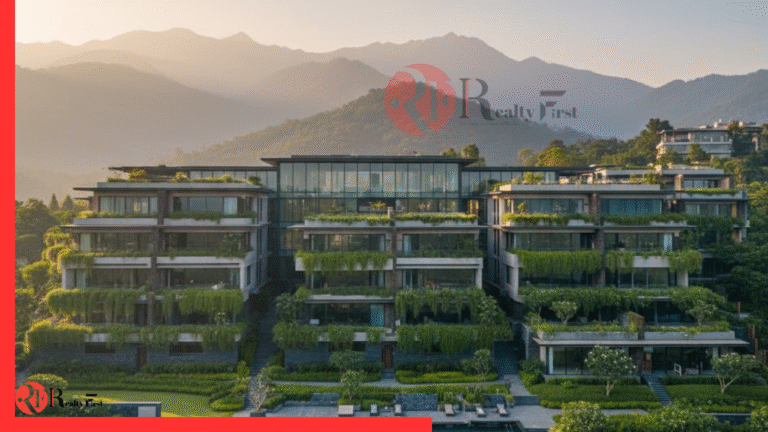
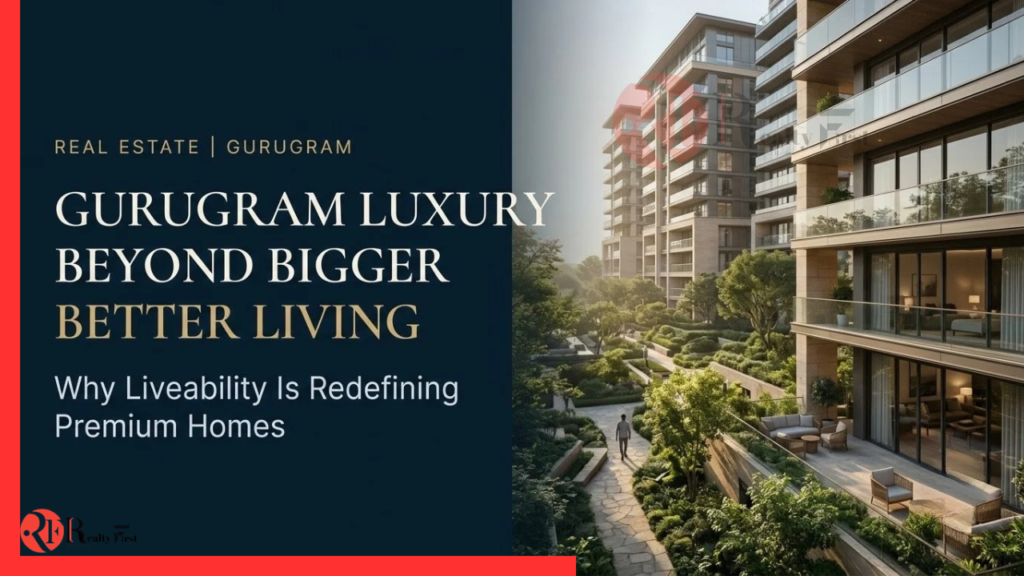
Luxury housing in Gurugram is being defined by a wider set of priorities as affluent buyers look beyond floor area, premium finishes and established addresses. While these features continue to influence purchase decisions, the market is increasingly placing greater emphasis on how homes support everyday living.
For high-net-worth individuals (HNIs), entrepreneurs, senior corporate executives and global Indians, a luxury residence is becoming more than a property investment. Privacy, wellness, sustainability, connectivity, thoughtful layouts, green spaces and curated amenities are gaining importance alongside construction quality and specifications. The shift reflects an evolving view of luxury, in which comfort, convenience and long-term liveability carry greater weight.
The changing preferences are emerging alongside strong growth in Gurugram’s residential property values. According to ANAROCK, average residential capital values rose from Rs 6,150 per sq. ft in 2019 to Rs 13,350 per sq. ft in Q2 2026. Rental yields also increased from 3.5% to 4.3% over the same period.
The 117% rise in capital values underscores the market’s appreciation over this period, while the composition of new housing supply points to growing premiumisation. Across NCR, 27% of residential launches in Q2 2026 were priced above ₹2.5 crore. Of these, 11% fell within the ₹2.5 crore to ₹4 crore luxury bracket, while 16% were in the ultra-luxury segment priced above ₹4 crore.
In this environment, the definition of luxury is moving away from sheer scale towards the quality and relevance of the overall living experience.
Dr. Gautam Kanodia, Founder, KREEVA and Kanodia Group, said, “Gurugram’s growth has created a far more layered luxury market, where buyers are assessing not just the home, but the larger ecosystem around it. Location, infrastructure, accessibility and the character of the neighbourhood are becoming integral to the decision. This is particularly relevant in emerging corridors, where improving connectivity is expanding lifestyle choices as well as long-term potential. The opportunity lies in creating luxury residences that are aspirational in their offering, yet closely aligned with the evolving way people want to live in the city.”
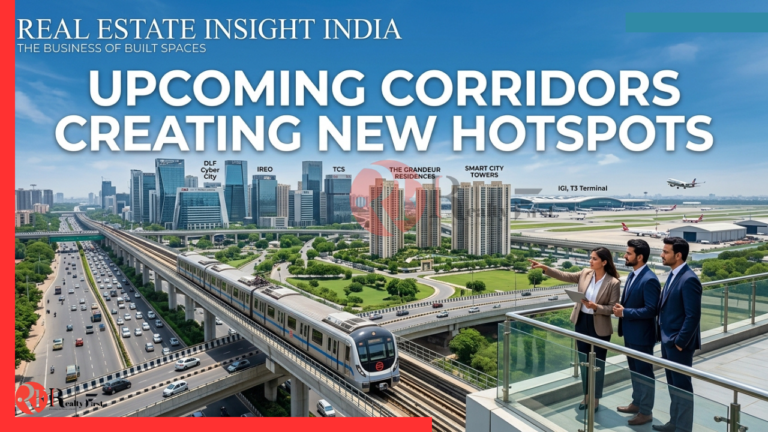
This reassessment is also influencing location preferences across Gurugram. Golf Course Road and Golf Course Extension Road remain premium residential markets, but Dwarka Expressway, Southern Peripheral Road and New Gurugram are broadening the city’s luxury housing geography. Improvements in connectivity and infrastructure are drawing buyers towards these emerging corridors, where accessibility, newer residential offerings and long-term value creation are part of the proposition.
Design expectations are evolving in parallel. Although floor area remains a consideration, buyers are also evaluating natural light, ventilation, views, storage, home-office flexibility and layouts that can accommodate changing family needs. Privacy, too, is increasingly being shaped by design rather than size alone. Lower-density developments, fewer residences, efficient spatial planning, controlled access and a clear distinction between shared and private spaces can provide a sense of exclusivity that additional square footage alone may not deliver.
Rajjath Goel, Managing Director, MRG Group, said, “In Gurugram, luxury is becoming less performative and more personal. The most valuable luxury may no longer be simply owning more square footage, but having the right space, in the right place, designed around the way people actually want to live. Buyers are placing greater importance on how a home performs on a daily basis, from the quality of planning and construction to natural light, ventilation, open spaces and amenity design. The focus is no longer only on creating larger residences, but on delivering a better living experience through thoughtful design and robust execution. For premium developments, quality must be visible not just at launch, but throughout the homeowner’s everyday experience.”
These preferences are also shaping how investors assess premium residential property. Connectivity can influence rental prospects, while limited supply and lower-density development can contribute to exclusivity. Thoughtful layouts, integrated amenities and stronger liveability may also support resale prospects as buyers become more discerning about what a property offers beyond its address and price.
Ashwani Kumar, Pyramid Infratech, said, “Today’s buyer is aspirational, but also considerably more informed and practical in evaluating a home purchase. A premium address alone is not enough; buyers want confidence in the developer, transparent practices, useful amenities, security and timely delivery. They are looking for a proposition that justifies the investment through everyday convenience and long-term liveability. As Gurugram expands, developers that combine an elevated lifestyle with trust, value and execution discipline will be better placed to meet this demand.”
Also Read: Why Noida Sector 150 Is Emerging as a Premium Residential Destination
Gurugram’s luxury housing market is therefore moving towards a more experience-led definition of premium living. Larger homes and high-end finishes remain relevant, but buyers increasingly expect these features to translate into tangible benefits: privacy without isolation, community without overcrowding, and convenience without compromise. The emphasis is shifting from how much space a home offers to how well that space serves the people living in it.