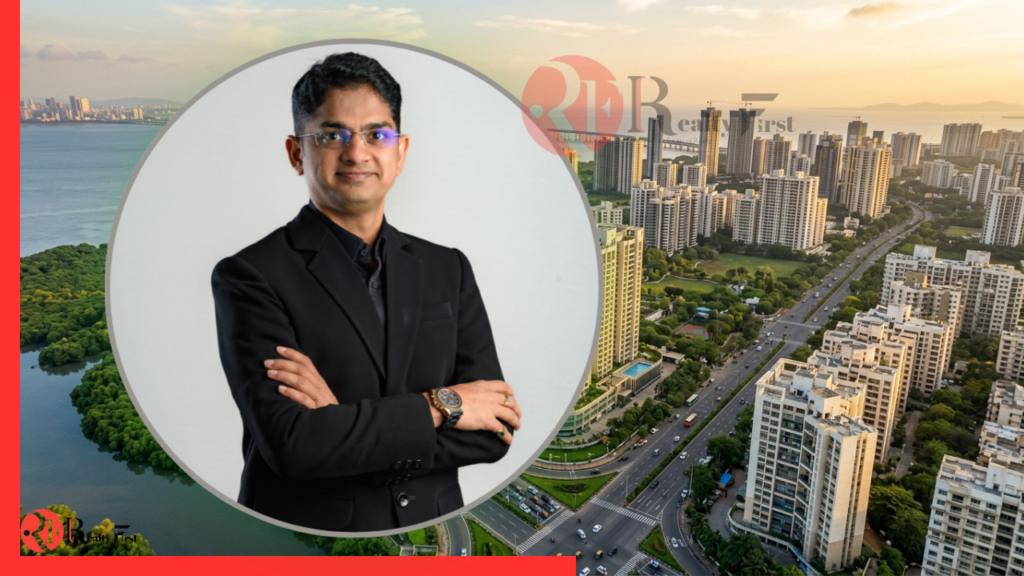
By Bhavesh Shah, Joint Managing Director, Today Group
As homebuyers increasingly prioritise quality of life alongside long-term investment value, Nerul continues to emerge as one of Navi Mumbai’s most resilient residential micro-markets. Long recognised as one of the city’s most established residential destinations, the locality offers a balanced mix of premium housing, extensive green spaces, robust connectivity and well-developed social infrastructure. These strengths have enabled Nerul to evolve from a suburban extension into a mature residential ecosystem that combines accessibility, convenience and long-term liveability.
Within the rapidly expanding Mumbai Metropolitan Region (MMR), infrastructure-led growth has become a defining factor in shaping residential demand. In this changing landscape, Nerul stands out for its planned development, strategic location and consistent housing demand. Rather than relying on a single growth driver, the locality benefits from multiple factors that collectively support both end-user demand and long-term residential stability.
Connectivity That Supports Everyday Living
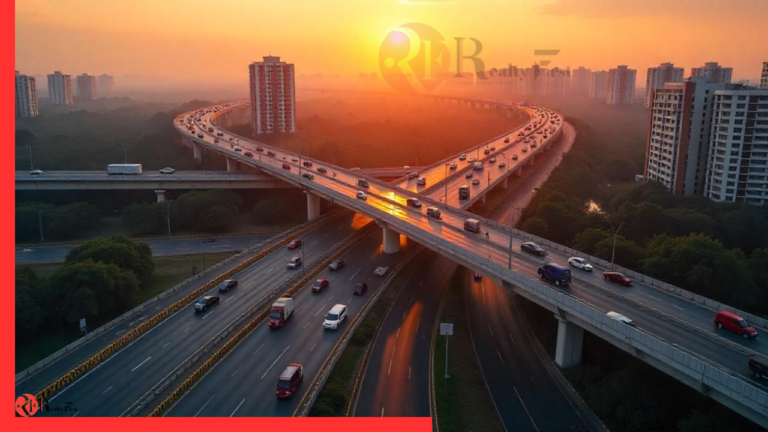
One of the strongest contributors to Nerul’s sustained residential appeal is its extensive multi-modal connectivity. The locality enjoys seamless access through major arterial roads, including Palm Beach Road and the Sion-Panvel Highway, significantly reducing travel time to Mumbai’s major commercial districts. The operational Atal Setu, India’s longest sea bridge, has further strengthened regional connectivity by enabling residents to reach South Mumbai in approximately 20 to 30 minutes.
Rail connectivity continues to remain equally important. Nerul Railway Station, situated on the Harbour Line, provides direct access to Panvel in nearly 20 minutes and to Chhatrapati Shivaji Maharaj Terminus (CSMT) in about an hour. The introduction of air-conditioned suburban train services has further enhanced commuting convenience. The station also connects Nerul to Ulwe through the Kharkopar route and to Thane via the Trans Harbour Line, expanding mobility across Navi Mumbai and the wider MMR. The upcoming Panvel-Karjat rail corridor is expected to further strengthen regional transportation infrastructure.
The operational Navi Mumbai International Airport, located approximately 15 minutes from Nerul, represents another significant milestone for the region. As the airport’s first phase becomes fully functional and future expansion progresses, residential demand across nearby micro-markets, including Nerul, is expected to witness sustained momentum.
Water transport is also expected to contribute to future connectivity. Water taxi services, which operated briefly in the past, are anticipated to resume, providing an alternative mode of travel to South Mumbai and western suburbs while reducing dependence on road transport.
Intercity connectivity has also improved with the opening of the Mumbai-Pune Missing Link, reducing travel time between Mumbai and Pune by nearly 30 minutes. This development further strengthens Nerul’s position as a convenient residential destination for professionals and business travellers who frequently commute between the two cities.
Looking ahead, the proposed Mumbai Metro Line 8 (Gold Line), connecting Chhatrapati Shivaji Maharaj International Airport with Navi Mumbai International Airport, is expected to provide seamless metro connectivity between the eastern and western parts of the metropolitan region, adding another layer of accessibility for Nerul residents.
Planned Urban Development Drives Long-Term Demand
Unlike many urban neighbourhoods that have evolved organically over decades, Navi Mumbai was conceived as a planned city with organised infrastructure, wide roads and designated land-use planning. Nerul reflects these planning principles through its structured urban layout, relatively lower population density and well-maintained civic infrastructure.
The locality benefits from broad internal roads, organised sector planning and a significant green cover. Tree-lined avenues, landscaped public spaces and open recreational areas contribute to a more balanced urban environment compared with several high-density residential clusters across the MMR. These characteristics not only enhance everyday liveability but also support a healthier and more sustainable lifestyle.
The residential profile of Nerul is equally diverse, attracting working professionals, entrepreneurs, senior citizens and young families. This balanced demographic mix has contributed to the development of a mature residential community with stable occupancy levels and long-term settlement patterns.
Its strategic location also places residents within easy reach of key employment centres, including Belapur CBD, Vashi and Turbhe. The proposed Central Business District in Kharghar, located approximately 12 to 15 minutes away, is expected to further strengthen the area’s accessibility to future commercial activity.
Social Infrastructure Strengthens Residential Appeal
A well-developed social ecosystem has played an equally important role in sustaining Nerul’s residential demand. The locality offers access to established educational institutions, healthcare facilities, sports infrastructure, parks, retail destinations and recreational amenities, allowing residents to meet most daily requirements within close proximity.
Healthcare infrastructure includes Apollo Hospitals, MGM Hospital, DY Patil Hospital and Terna Hospital, offering comprehensive medical services across multiple specialties.
Educational institutions such as SIES, Delhi Public School (DPS), DAV Public School and DY Patil School and College contribute to the locality’s appeal among families seeking quality education without extended travel.
Residents also benefit from recreational and lifestyle facilities, including Nexus Malls, DY Patil Sports Stadium and Nerul Gymkhana, creating opportunities for sports, leisure and community engagement.
Collectively, these facilities have helped Nerul evolve into a self-sustaining residential ecosystem characterised by a higher proportion of long-term residents than transient occupiers. This stability supports healthy housing absorption and reinforces the locality’s reputation as a dependable residential destination.
Housing Supply Reflects Changing Buyer Preferences
The composition of new residential supply entering the Nerul market reflects the evolving preferences of today’s homebuyers. The locality continues to attract developments by established developers offering projects designed around modern lifestyles, regulatory compliance and efficient space planning.
Demand is increasingly driven by upper mid-income and luxury homebuyers who prioritise transparency, construction quality, thoughtful layouts, lifestyle amenities and long-term asset value. Modern residential developments in Nerul have responded to these expectations by incorporating contemporary design standards while maintaining planning efficiency.
For many buyers, Nerul offers a combination that remains relatively difficult to replicate elsewhere within the MMR—strong connectivity, established infrastructure, quality social amenities and comparatively attractive pricing relative to central Mumbai.
From an investment perspective, the micro-market has also demonstrated consistent capital appreciation over the years. Ongoing infrastructure investments and expanding commercial activity across Navi Mumbai continue to support long-term residential demand and value creation.
Stable Rental Demand Supports Long-Term Investment
Rental demand in Nerul has remained resilient due to its proximity to industrial clusters, IT parks and established business districts across Navi Mumbai. Professionals working in these employment hubs continue to contribute to a stable rental market, supporting consistent occupancy levels throughout the year.
The combination of steady capital appreciation and relatively stable rental demand provides a balanced investment proposition for long-term property owners. This equilibrium has enabled the locality to attract both end-users seeking permanent residences and investors looking for predictable long-term returns.
Also Read: The Rising Importance of MEP in Sustainable Urban Development
A Micro-Market Positioned for Sustainable Growth
As the Mumbai Metropolitan Region continues to expand, residential demand is increasingly shifting towards locations that combine infrastructure, connectivity and social convenience within an integrated urban environment. Nerul’s development trajectory illustrates how strategic planning, sustained infrastructure investment and comprehensive civic amenities can together create a resilient residential micro-market.
Its planned urban design, extensive connectivity network, established social infrastructure and proximity to major employment centres have collectively strengthened its position within Navi Mumbai’s housing landscape. As infrastructure projects continue to reshape regional mobility, Nerul remains well positioned to sustain residential demand while offering a balanced living environment for a wide spectrum of homebuyers.
In an evolving housing market where long-term liveability has become as important as investment potential, Nerul continues to demonstrate the characteristics of a mature residential destination that has consistently adapted to changing buyer expectations while maintaining its foundational strengths.