Introduction
For decades, the real estate industry measured success through location, scale, and asset value. Today, a new metric is increasingly influencing investment decisions, occupier preferences, and long-term asset performance. Sustainability.
Across global and Indian real estate markets, the conversation has evolved beyond energy-efficient lighting or green certifications. Developers, investors, occupiers, and policymakers are now examining how buildings consume resources, support occupant wellbeing, integrate technology, and contribute to broader environmental goals.
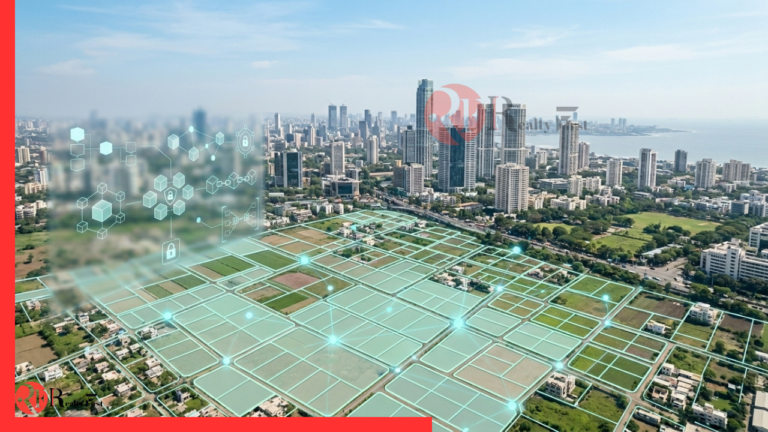
At the center of this transformation is the rise of smart buildings. Once viewed as a niche segment reserved for premium commercial projects, smart building technologies are becoming an increasingly important component of modern real estate development. From intelligent energy management systems and predictive maintenance tools to data-driven workplace optimization, technology is redefining how buildings operate and create value.
The shift comes at a time when sustainability is moving from a corporate aspiration to a business imperative. As regulatory expectations increase and occupiers prioritize environmentally responsible spaces, developers are finding that smart and sustainable buildings are no longer optional differentiators. They are becoming essential components of future-ready real estate.
Also Read: Leasing Tips for SMEs & Startups: How Smart Workspace Decisions Can Shape Business Growth
Industry Context
The growing focus on sustainability reflects broader economic and societal changes. Urban populations continue to expand, energy costs remain a significant operational concern, and climate-related risks are receiving greater attention from governments, investors, and businesses alike.
Real estate plays a particularly important role in this discussion. Buildings account for a substantial share of global energy consumption and carbon emissions. As a result, improving building performance has emerged as one of the most practical pathways toward achieving sustainability objectives.
India’s real estate sector is experiencing this transition alongside rapid urbanization and infrastructure expansion. New commercial districts, mixed-use developments, business parks, and residential communities are increasingly being designed with sustainability considerations from the outset.
Institutional investors are also influencing market behavior. Global capital providers are placing greater emphasis on environmental, social, and governance metrics when evaluating investment opportunities. Assets that demonstrate strong sustainability credentials are often viewed as more resilient and better positioned for long-term value creation.
This changing investment landscape is encouraging developers to incorporate smart technologies and sustainable design principles into project planning rather than treating them as secondary features.
Market Trends and Analysis
One of the most significant developments in the market is the convergence of technology and sustainability. Historically, these themes were often discussed separately. Today, they are increasingly interconnected.
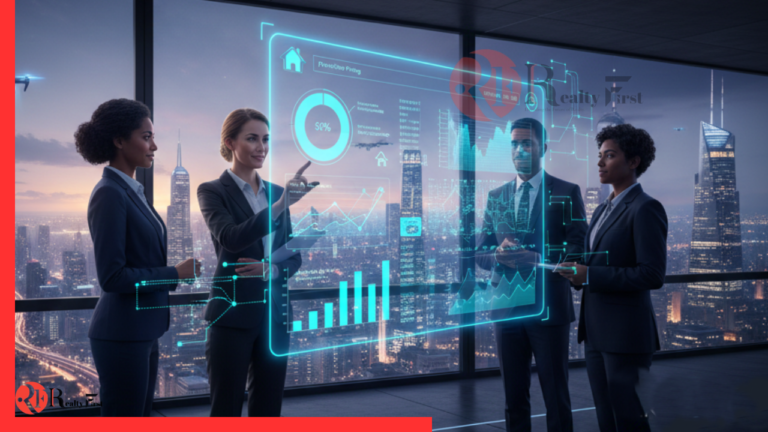
Smart building systems enable property owners to monitor and optimize energy consumption in real time. Sensors can track occupancy levels, adjust lighting automatically, regulate air conditioning systems, and identify operational inefficiencies before they become costly problems.
For commercial occupiers, these capabilities offer more than environmental benefits. Reduced energy consumption can lead to lower operating expenses, while improved indoor environmental quality can contribute to employee productivity and wellbeing.
The demand for healthier workplaces has become particularly important in the post-pandemic era. Occupiers are paying closer attention to air quality, ventilation standards, wellness amenities, and overall workplace experience. Buildings capable of delivering these features are often viewed more favorably by corporate tenants.
At the same time, smart technologies are helping asset owners make more informed decisions. Data analytics platforms provide insights into building performance, maintenance requirements, and resource utilization. This information enables proactive management strategies that improve efficiency while extending asset life cycles.
Another notable trend is the growing adoption of renewable energy solutions. Solar installations, battery storage systems, and energy-efficient infrastructure are increasingly being integrated into both commercial and residential developments. As technology costs continue to decline, these solutions are becoming financially viable for a wider range of projects.
The Business Case for Sustainable Real Estate
While sustainability discussions often focus on environmental outcomes, the business rationale is becoming equally compelling.
Occupiers increasingly recognize that workplace quality can influence talent attraction and retention. Younger professionals, in particular, are demonstrating stronger preferences for employers that prioritize environmental responsibility and employee wellbeing.
As a result, buildings that offer sustainability credentials, wellness-focused amenities, and smart workplace technologies often command greater interest from tenants.
Investors are reaching similar conclusions. Sustainable assets may benefit from stronger occupancy rates, improved tenant retention, and potentially lower operating costs. These factors contribute to overall asset performance and can enhance long-term investment appeal.
There is also a growing recognition that sustainability can help mitigate future risks. Buildings designed to meet evolving environmental standards may be better positioned to adapt to regulatory changes, energy cost fluctuations, and shifting market expectations.
For developers, sustainability is increasingly becoming a strategic business decision rather than a compliance exercise.
Expert Perspective
Perhaps the most important misconception surrounding smart buildings is the assumption that technology alone creates value.
In reality, successful smart buildings are defined not by the quantity of technology they contain but by how effectively that technology supports operational objectives and user experiences.
The most successful projects combine digital infrastructure, sustainable design, and human-centered planning. They prioritize outcomes rather than gadgets.
For example, an intelligent workplace system that improves employee comfort while reducing energy consumption delivers measurable benefits for both occupiers and asset owners. Similarly, predictive maintenance technologies that reduce downtime and extend equipment life can create meaningful operational efficiencies.
This shift toward outcome-based thinking is likely to shape future development strategies. Developers who understand how technology and sustainability contribute to broader business goals will be better positioned to create assets that remain competitive over time.
Real-World Examples and Market Observations
Across major Indian cities, evidence of this transformation is becoming increasingly visible.
New business parks in Bengaluru, Hyderabad, Gurugram, and Pune are incorporating smart building systems designed to improve operational efficiency and enhance tenant experiences. Features such as automated lighting controls, occupancy sensors, energy monitoring platforms, and digital visitor management systems are becoming more common.
Residential developments are following a similar trajectory. Homebuyers are showing growing interest in projects that offer energy-efficient features, water conservation systems, electric vehicle charging infrastructure, and smart home technologies.
The hospitality and retail sectors are also exploring opportunities to leverage technology for sustainability outcomes. Hotels are using intelligent energy management systems to reduce consumption, while shopping centers are implementing advanced monitoring solutions to optimize building performance.
These examples highlight a broader market reality. Sustainability is no longer confined to a single asset class. It is becoming a central theme across the real estate ecosystem.
Future Outlook
Looking ahead, the relationship between smart buildings and sustainability is expected to strengthen further.
Artificial intelligence, machine learning, and advanced analytics are likely to play increasingly important roles in building operations. These technologies can help identify inefficiencies, predict maintenance requirements, and optimize resource utilization with greater precision.
At the same time, regulatory frameworks are expected to become more stringent as governments pursue environmental objectives and carbon reduction targets.
Occupier expectations will also continue to evolve. Businesses are likely to place greater emphasis on employee wellbeing, operational resilience, and environmental performance when evaluating workspace options.
Developers that successfully integrate sustainability and technology into their projects may benefit from stronger market positioning and enhanced asset competitiveness.
However, challenges remain. Implementation costs, technology integration complexities, and evolving standards will require careful planning and execution. Success will depend on balancing innovation with practical business considerations.
Also Read: Coworking as an Asset Class: Redefining Risk, Returns, and Office Strategy
Conclusion
The rise of smart buildings represents more than a technological evolution. It reflects a fundamental shift in how the real estate industry defines value.
Buildings are no longer viewed solely as physical assets. They are increasingly recognized as dynamic environments capable of influencing operational efficiency, environmental performance, occupant wellbeing, and long-term investment outcomes.
For developers, investors, occupiers, and policymakers, the implications are significant. The future of real estate will not be shaped solely by location or scale. It will be defined by how intelligently and sustainably buildings respond to the needs of a rapidly changing world.
The most successful assets of the coming decade are unlikely to be those that simply occupy prime locations. They will be the buildings that combine technology, sustainability, and human experience in ways that create lasting value for all stakeholders.