New Delhi: India’s real estate landscape is undergoing a structural shift as Tier 2 cities and temple towns increasingly emerge as independent growth markets, driven by infrastructure development, improving connectivity, evolving buyer preferences and expanding economic opportunities.
Cities such as Ayodhya, Lucknow and Shirdi are no longer dependent on demand spilling over from metropolitan markets. Instead, these locations are witnessing sustained real estate activity supported by government infrastructure investments, cultural significance and relatively affordable property prices, creating a more balanced and end-user-driven market.
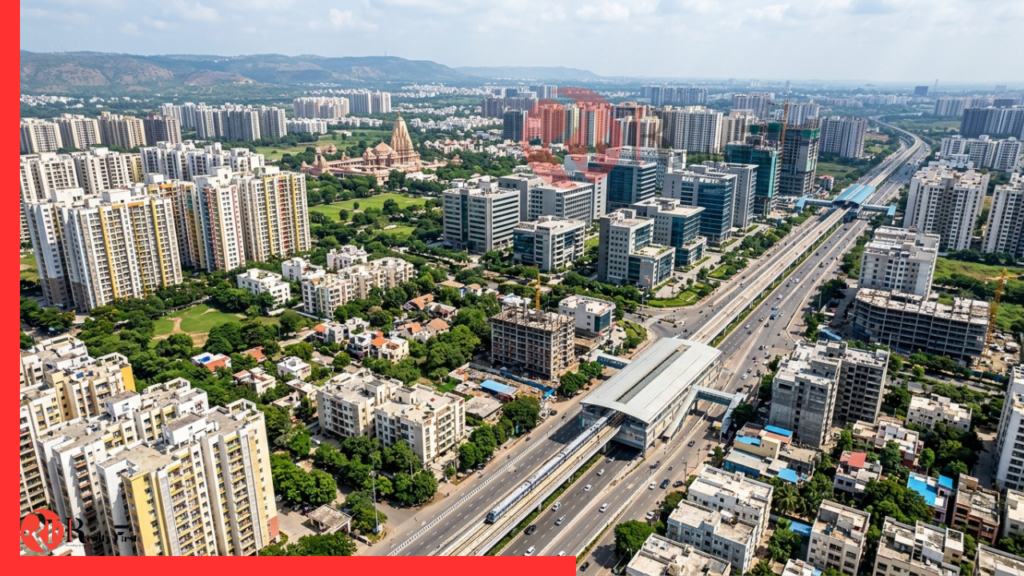
Infrastructure development continues to be one of the primary catalysts behind this transformation. Major investments in expressways, airports and railway infrastructure are reshaping the investment outlook across several emerging cities.
Ayodhya, following the development surrounding the Ram Mandir and enhanced aviation connectivity, is evolving into a year-round destination rather than a city associated only with seasonal pilgrimage. Meanwhile, Lucknow continues to strengthen its position through expanding IT hubs, improved intra-city connectivity and the gradual expansion of its urban footprint.
According to a recent report by Square Yards, land prices across Tier 2 and Tier 3 cities are expected to rise between 25% and 100% over the next two to four years.
The report attributes this momentum to multiple converging factors, led by the government’s infrastructure push. The proposed City Economic Regions (CERs), with an investment of Rs 5,000 crore per region, are expected to accelerate regional economic development and improve real estate prospects across emerging markets.
Metro rail infrastructure is also expected to continue influencing residential values. As highlighted in the report, homes located near metro corridors command an 8% to 25% premium, while property prices typically witness 15% to 40% appreciation after project completion.
Industry reports further indicate that the inauguration of the Ganga Expressway is expected to result in 12% to 15% property price appreciation across cities including Prayagraj, Meerut, Hapur, Hardoi and Amroha over the next 12 to 18 months.
Alongside infrastructure-led growth, faith-driven real estate is also emerging as a notable trend across temple towns.
In destinations such as Shirdi, where demand has traditionally been linked to religious tourism centred around the Shirdi Sai Baba Temple, the market is witnessing increasing interest in second homes, serviced residences and plotted developments. This reflects changing buyer preferences, with many seeking a long-term association with these destinations beyond short-duration visits.
Commenting on this shift, Neeraj Gulati, Managing Director, Assotech Realty, said, “Temple towns and Tier II cities are changing the narrative of what ‘luxury’ means in the Indian context. Today’s traveller is not just seeking proximity, but a more layered experience: comfort, authenticity, and a sense of place, even within a religious journey. This shift is visible in the growing presence of premium hotels, serviced residences, and thoughtfully planned mixed-use developments across cities like Ayodhya and Shirdi. It reflects a market that is maturing in a more integrated way, where hospitality, retail, and residential formats evolve together. Demand, too, is becoming less seasonal and more sustained; diverse in profile and increasingly global in nature, opening up new opportunities for experience-led, future-ready development.”
Industry experts also point to a changing buyer profile across these emerging markets.
Demand is no longer driven by a single category of buyers. Instead, the market is witnessing participation from end-users seeking long-term residential stability as well as investors looking to capitalise on early-stage growth opportunities.
Improving employment opportunities, expanding infrastructure and better quality of life are encouraging more young homebuyers to remain in or return to their hometowns rather than migrate to metropolitan cities. At the same time, hybrid work models have supported a more decentralised housing demand, allowing buyers greater flexibility in choosing locations outside traditional metro markets.
Speaking on Lucknow’s evolving residential market, Preksha Singh, CEO, Agrasheel Infratech, said, “Lucknow’s real estate growth is being shaped by a combination of strong infrastructure, administrative importance, and evolving lifestyle aspirations. Unlike some high-volatility markets, demand here is largely end-user driven, which brings a degree of stability and depth to the sector. The expansion of key corridors and the emergence of new residential hubs are encouraging both developers and homebuyers to look beyond traditional city centers. There is also a noticeable shift towards better-planned communities and lifestyle-oriented housing. Going forward, the focus will be on delivering quality and consistency rather than just scale.”
Also Read: The Rising Importance of MEP in Sustainable Urban Development
Taken together, these developments suggest that the ongoing expansion across Tier 2 cities and temple towns represents more than a cyclical rise in real estate activity. Infrastructure investment, improving regional economies, evolving buyer behaviour and expanding urban ecosystems are collectively reshaping India’s housing market into a more geographically diversified and multi-nodal growth story.