Mumbai: India’s real estate sector is witnessing a fresh wave of expansion as developers increasingly pursue land acquisitions, redevelopment opportunities, strategic partnerships, and joint development agreements to strengthen their project pipelines and expand into high-growth markets.
The trend comes at a time when residential demand remains resilient across major cities, supported by infrastructure investments, urbanization, and growing interest in premium and mid-income housing segments. Industry observers believe developers are adopting more aggressive growth strategies as competition intensifies and new development corridors emerge across the country.
Also Read: Home Renovation Ideas That Add Value
Over the past few years, expansion activity has evolved beyond traditional land purchases. Developers are now combining multiple growth models, including redevelopment projects, asset-light partnerships, and mixed-use developments, allowing them to enter strategic locations while optimizing capital deployment.
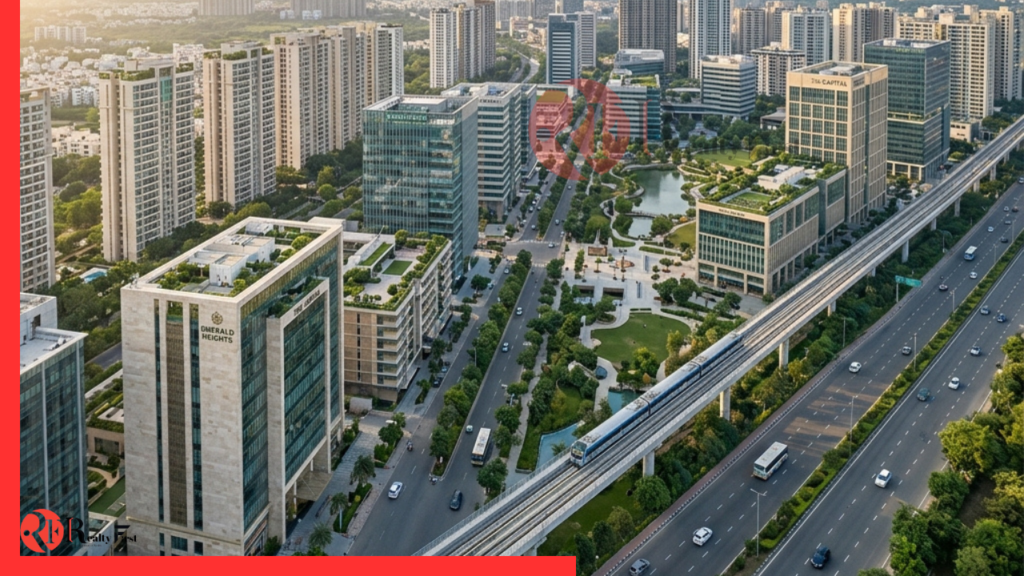
Market analysts note that infrastructure-led growth continues to influence expansion decisions. Areas benefiting from metro rail connectivity, expressway projects, airport developments, and commercial hubs are attracting heightened interest from developers seeking long-term value creation. This shift is creating new opportunities in both established markets and emerging micro-locations.
Redevelopment remains one of the most significant opportunities within urban centers where fresh land availability is limited. Developers are increasingly exploring redevelopment projects that allow them to unlock value in established neighborhoods while delivering modern housing stock and upgraded infrastructure. Such projects also align with the growing demand for larger homes, integrated amenities, and sustainable living environments.
At the same time, joint development agreements are becoming a preferred strategy for expansion. These partnerships enable developers to collaborate with landowners, reducing upfront acquisition costs while accelerating project launches. Industry experts suggest this model is likely to remain an important growth mechanism as land prices continue to rise across key markets.
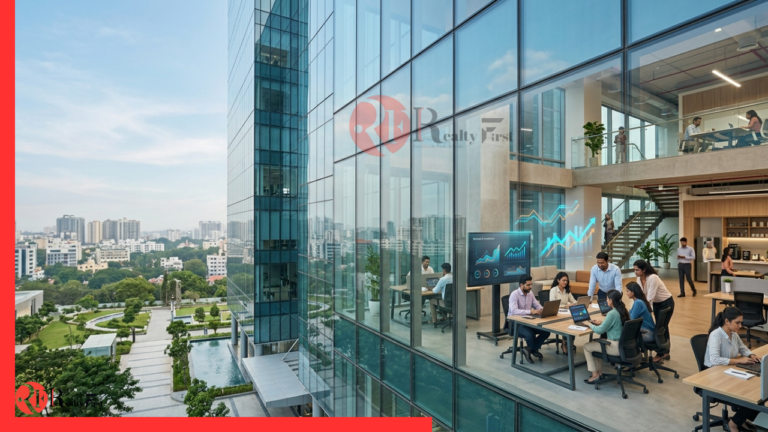
Commercial real estate is also contributing to expansion activity. Demand for Grade A office assets, integrated business parks, logistics facilities, and mixed-use developments has encouraged developers to diversify beyond residential projects. The continued growth of technology firms, global capability centers, and corporate occupiers is supporting investment across commercial real estate segments.
Developers are also increasingly integrating sustainability and technology into expansion plans. Energy-efficient construction, smart building systems, wellness-focused amenities, and digital infrastructure are becoming important considerations as buyer expectations evolve. Projects that combine modern design with long-term operational efficiency are gaining stronger market acceptance.
Industry stakeholders believe the current expansion cycle reflects broader confidence in India’s long-term economic and urban growth story. Strong demographic fundamentals, rising household incomes, and continued infrastructure investment are expected to support demand across multiple real estate segments over the coming years.
While challenges such as construction costs, regulatory compliance, and financing conditions remain important considerations, developers appear focused on creating scalable growth platforms capable of supporting future expansion. As a result, strategic deals, redevelopment initiatives, and market diversification efforts are expected to remain central themes throughout 2026.
Also Read: Why Automated Parking Systems Are Becoming Essential in Urban India
For investors, homebuyers, and industry participants, developer expansion activity serves as a key indicator of market sentiment. The locations attracting investment today often become the growth centers of tomorrow, making expansion trends an important measure of where future opportunities may emerge within India’s evolving real estate landscape.