By Mr. Jash Panchamia, Promoter, Suraksha Smart City
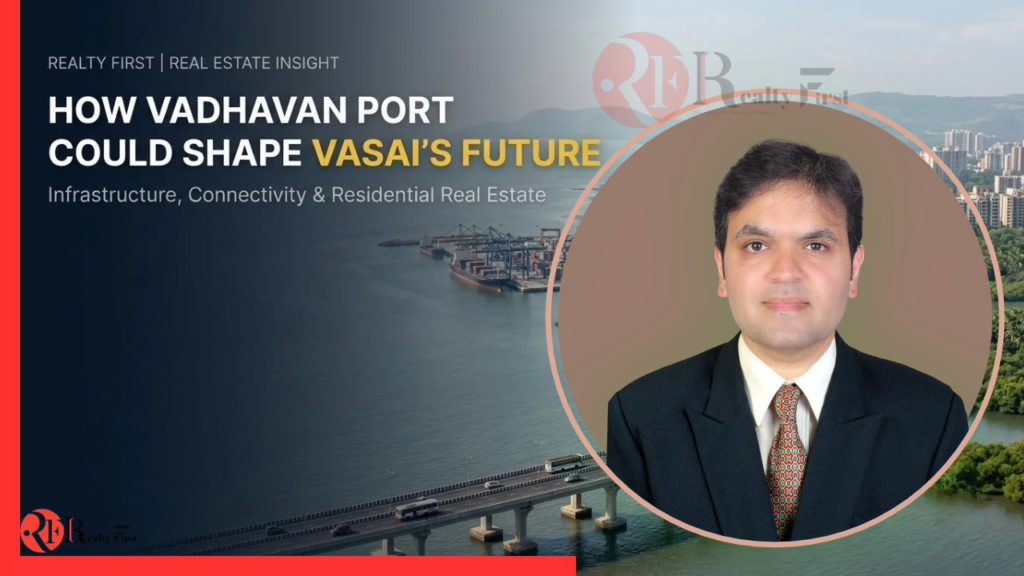
Vasai’s residential real estate market could enter a new phase as the proposed Vadhavan Port and associated infrastructure projects reshape economic activity and connectivity across the northern Mumbai Metropolitan Region (MMR). With an established housing market, social infrastructure and existing transport links, the region has a foundation on which future infrastructure-led growth could build.
The port and its supporting connectivity network could strengthen Vasai’s links with emerging economic corridors, potentially expanding its appeal as a residential destination. The scale and timing of this transition, however, will depend on how infrastructure development translates into employment, commercial activity and improvements in regional accessibility.
Also Read: OneCrest Infra Acquires 8 Acres on NH-44 in Murthal for Planned Shopping and Lifestyle Destination
Vadhavan Port and its potential economic influence on Vasai
The proposed Vadhavan Port is one of India’s major planned port projects, with an estimated investment of Rs 76,220 crore and a proposed cargo-handling capacity of 298 million tonnes a year. Beyond port operations, infrastructure of this scale can support wider economic activity by attracting businesses, generating employment and creating demand for related services across surrounding areas.
Although the port may take several years to become operational, real estate development can begin responding to greater visibility around a region’s future direction before the infrastructure is fully functional. For Vasai, the longer-term opportunity lies in developing a more self-sufficient economic ecosystem, where housing is supported by employment opportunities, commerce and civic amenities.
How the port could influence Vasai’s property market
The expansion of port-linked activity could generate demand for warehouses, logistics parks, manufacturing facilities, freight operators, distribution centres, customs facilities and associated businesses. As these activities develop, they could influence housing demand and the types of residential projects required to serve the region’s changing workforce.
Maharashtra’s ‘Fourth Mumbai’ vision around the Vadhavan Port region also signals a longer-term policy focus on the area. Alongside progressive zoning, township development schemes and continued civic upgrades, this policy direction could provide greater visibility for developers planning projects over an extended period.
The extent of the impact on Vasai will depend on how these plans progress and how effectively infrastructure and economic activity become integrated across the region.
Why Vasai has a foundation for its next phase of growth
Infrastructure-led real estate growth generally develops in stages. Initial announcements can alter perceptions of a location and influence expectations about its future. As roads, railways and other transport networks take shape, accessibility may improve. The next stage begins when economic activity translates into operational businesses and employment.
Vasai’s residential market could respond differently at each stage, with the nature of housing demand evolving as the surrounding economic ecosystem develops.
Unlike an emerging location with limited residential infrastructure, Vasai already has an established housing base and a mature local market. Schools, healthcare facilities, retail and existing communities provide a foundation for further development. These assets could help the region accommodate additional demand as connectivity with emerging employment centres improves.
For homebuyers, the appeal may increasingly extend beyond the dwelling itself to the availability of everyday services, transport access and a more self-sufficient urban environment. This could create opportunities for residential developments across different formats, sizes and amenity offerings, allowing developers to respond to changing housing requirements.
Connectivity projects could widen Vasai’s growth prospects
Vasai’s potential is linked not only to Vadhavan Port but also to a wider network of proposed and ongoing infrastructure projects across the MMR.
The Uttan Sea Link is being extended to Vadhavan Port. According to the development outlook outlined in the article, this network is expected to divert cargo and passenger traffic from the congested Western Express Highway towards the Mumbai–Vadodara Expressway.
The Bhayander-Vasai Sea Link is expected to improve east-west connectivity across the MMR. Other projects include Mumbai Metro Line 13, an upgraded bus terminal at Vasai Road and the Vasai–Diva–Panvel railway line extension, which is expected to provide a direct link to Navi Mumbai International Airport.
Together, these projects could expand Vasai’s access to employment centres and commercial activity across the region. Their eventual impact on residential demand will depend on implementation, operational timelines and the degree to which they improve practical travel connectivity.
Also Read: Why India Needs More Women Leaders to Shape the Future of Real Estate
A residential market with scope to diversify
As port-related logistics, marine services, manufacturing, warehousing, freight and allied businesses expand around Vadhavan Port, housing demand in the wider region could become more varied. Rather than being concentrated in a single housing category, future demand may support projects with different configurations, sizes and amenities.
Mixed-use developments could also gain relevance by bringing homes, workplaces and everyday services closer together. Such formats could respond to the needs of households seeking greater convenience as economic activity and connectivity evolve.
Vadhavan Port and Vasai’s existing residential base represent two forces that could shape the region’s longer-term real estate trajectory. The opportunity extends beyond a short-term market cycle: it reflects the possibility of a broader structural shift, provided infrastructure plans progress and translate into sustained economic activity.