By Ruchit Mehta, Partner, Mehta Realty
Goregaon, has come a long way from being a mid-suburban residential hotspot, to rapidly rise in becoming a prime urban hub that is home to malls, office parks and strong social infrastructure today. A more recent shift is now being driven through cluster redevelopment. Under this transformation, Goregaon is witnessing an emergence of projects that blend homes, commercial spaces and retail within self-sustained neighbourhoods.
For what was once known to be surrounded by forests and fields in the 1980s, Goregaon has evolved through successive waves of transformation. Film City and early residential projects triggered the first boom and the 2000s brought in the malls and offices, but Goregaon’s transformation has been majorly shaped by connectivity. Western Express Highway, bus depots and Metro Line 7 have slashed commute times, pushing property values by 6–12 per cent near stations and delivering handsome premiums of up to 20 per cent.
Powering Goregaon’s next step is the cluster redevelopment model. By merging fragmented plots into unified zones, clusters will bring in wider roads, integrated amenities and community planning that most piecemeal redevelopment projects simply cannot achieve. Cluster redevelopment is not merely restricted to new buildings but creating modernised neighbourhoods. A stronger social cohesion, higher safety standards, and dramatically upgraded liveability will make up Goregaon’s renewed fabric post redevelopment. And this will attract NRIs and young families alike, turning the suburb into Mumbai’s next growth epicentre.
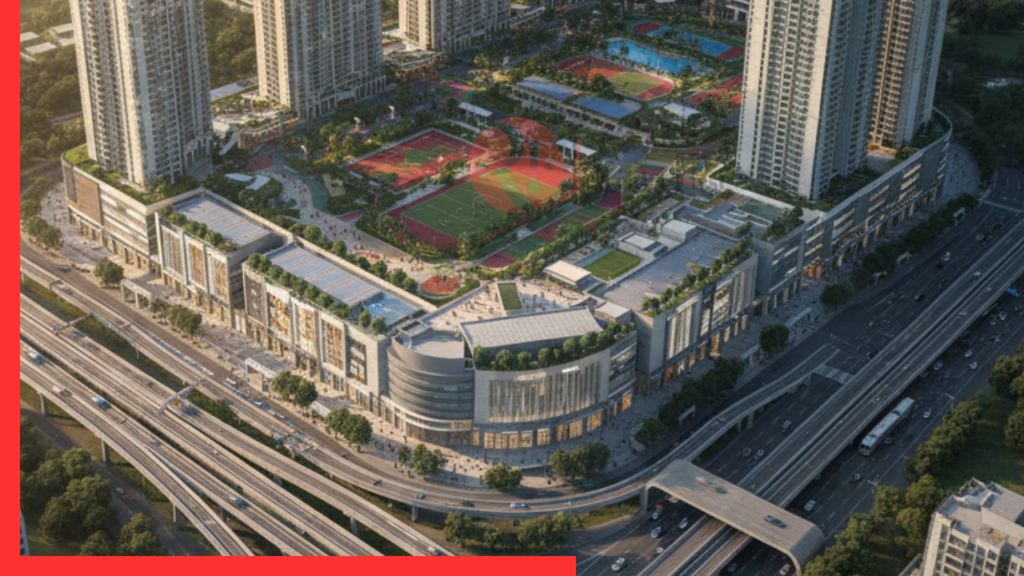
Cluster redevelopment hopes to fix a core challenge for Mumbai’s ageing housing stock. Over half the city’s residents live in buildings that are over 30–40 years old, with many lacking basic safety features. Cluster redevelopment projects rejuvenate entire layouts rather than isolated structures. In Goregaon, redevelopment is paving the way for mixed-use hubs, offering modern amenities such as clubs, pools, green spaces and secure parking.
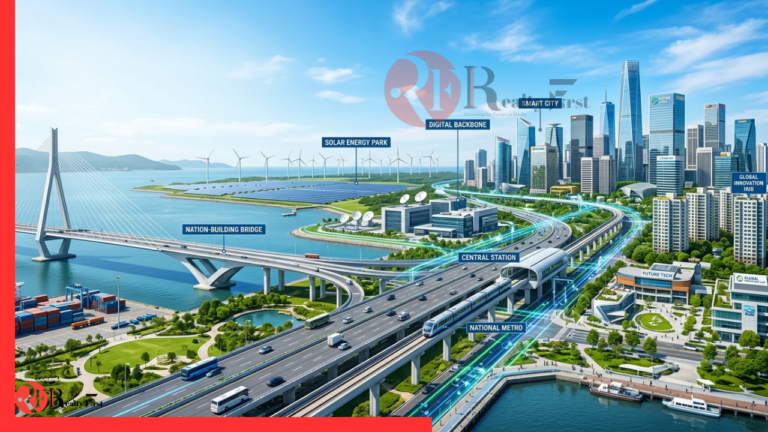
Connectivity has amplified this transformation with Metro Line 7 improving access to commercial hubs from Andheri and BKC to Malad and Lower Parel. Goregaon railway station continues to anchor the suburb within the Western Line and Harbour Line, while the upcoming Goregaon–Mulund Link Road will unlock fast east–west movement to the Eastern suburbs through modern twin-tunnel roads. The Malad–Goregaon stretch is now primed for sustained residential expansion. For many homebuyers, this part of Mumbai western suburbs represents a rare blend of convenience, lifestyle and urban greenery.
Rather than stopping at incremental upgrades, cluster redevelopment reimagines entire blocks spanning one to five hectares as planned, sustainable communities. The approach improves roads and drainage, adds parks and open spaces, and upgrades utilities from stormwater lines to localised electric grids. Residential towers built under cluster regulations are seismically compliant and incorporate modern fire systems, ventilation and lifts.
Eventually, cluster redevelopment is not to be seen as just another construction strategy. It is an act of city-building, and one that replaces isolated, ageing buildings with high-density, resilient, inclusive and aesthetically cohesive neighbourhoods. While it holds the promise of transforming Mumbai’s urban identity, it is also preserving the cultural and social fabric. In this, Goregaon now stands as a compelling case study in how policy, planning and community participation can convert a mid-suburban landscape into a modern urban core, offering Mumbai a roadmap for the future.