The Sion–Dharavi belt, long known for its dense population, thriving micro-industries, and central positioning, is now on the brink of becoming Mumbai’s most significant urban transformation story. With the Dharavi Redevelopment Project (DRP) advancing and Sion’s infrastructure rapidly strengthening, the region is evolving into a high-potential growth corridor that blends social upliftment, economic integration, and modern real estate development.
For developers and investors, the opportunity is unprecedented. Sion is already recognized for its robust transport access via the Eastern Express Highway, Eastern Freeway, and proximity to the upcoming Metro corridors. As the region undergoes phased redevelopment, new residential towers, commercial complexes, logistics hubs, and small-business centers are expected to emerge, supported by improved urban services and utilities. The market anticipates that housing demand will be driven not only by rehabilitated residents but also by new homebuyers who value central connectivity and upcoming social infrastructure. Retailers and SMEs, too, see the potential to tap into a revitalized consumer and workforce base.
“Viewed sensibly, Sion–Dharavi is Mumbai’s most compelling central-node story,” says Mr. Rajendra Rajan, Founder, TransIndia. “The corridor offers rare scale in the heart of the city — if redevelopment balances rehabilitation with commercial uplift, developers who partner responsibly can deliver long-term value while preserving livelihoods. The key lies in sensitive implementation.”
Urban analysts echo this sentiment, cautioning that the success of the transformation will depend on careful execution. They highlight that Dharavi’s micro-industrial fabric, comprising leather units, pottery workshops, recycling clusters, and food processing hubs, contributes significantly to its economic importance. Any redevelopment must maintain these clusters through transitional workspaces, rental support, and planned phasing that prevents disruption to ongoing livelihoods. Analysts also underscore that investor sentiment will strengthen once early rehabilitation milestones and infrastructure upgrades become visible.
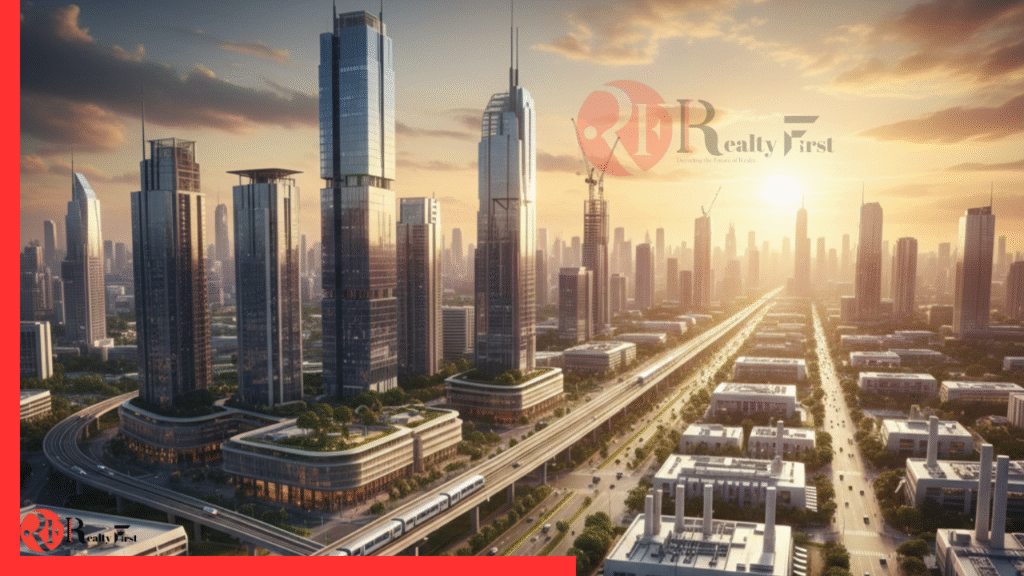
At the core of this shift is a multi-layered redevelopment blueprint that aims to reorganize Dharavi’s intricate street network, improve mobility, and introduce a new hierarchy of public spaces. The plan proposes wider arterial roads, pedestrian-friendly internal lanes, and seamless integration with Mumbai’s expanding metro and rail lines. This renewed connectivity is expected to fundamentally reshape how people live and work in the area, enabling smoother commute patterns, better logistics, and increased footfalls for local businesses. Complementing this is a vision for modern social infrastructure, including schools, healthcare centers, and community spaces, designed to elevate the overall quality of life while retaining Dharavi’s unique character.
Despite the complexity of land ownership, demographic density, and social considerations, the momentum is undeniably shifting. With its inclusive development framework guiding every stage of progress, Sion–Dharavi could emerge as a showcase of sustainable urban renewal, demonstrating how India’s most challenging urban pockets can be transformed into globally benchmarked, economically vibrant and socially cohesive city districts.